An annual home safety audit is a practical way to ensure CO prevention items don’t fall through the cracks amid other home maintenance priorities.
The reason an annual review earns its place is that almost every part of a carbon monoxide setup fails quietly. A sensor that has aged past its rated life still lights up, still responds to the test button, and still looks exactly like a working alarm on the ceiling. A vent connector that has corroded through at a joint does not announce itself either. Neither problem produces a symptom you would notice in the course of ordinary life, so the only reliable way to catch them is to go looking on a fixed schedule.
- Include detector function testing, battery replacement, and end-of-life checks in your annual audit.
- Schedule professional combustion appliance assessment as part of the same audit if due.
- Early fall, before heating season, is an ideal timing for this annual review.
- Keep written records useful for both your own tracking and future resale compliance history.
CO-Specific Audit Items
Test all detector function, replace batteries, check each unit’s age against its end-of-life date, and schedule professional combustion appliance assessment if due.
Start with the date printed on the back of each unit. Residential alarms are built around an electrochemical sensor with a finite service life, commonly five, seven, or ten years depending on the model, and that clock starts at manufacture rather than at the moment you installed it.
A unit bought on clearance may already have spent a year in a warehouse. Write the manufacture date and the resulting replacement date on the housing in marker while you have it in your hand, because the printed label is small and you will not want to pull the unit down again next year just to read it.
Then look past the alarms at the appliances themselves. You are checking for the visible signs of incomplete combustion or a venting problem: a burner flame that burns yellow or orange instead of crisp blue, soot or dark streaking around an appliance cabinet or vent, rust flaking at the base of a flue pipe, a vent connector that has slipped at a joint or sags backward instead of rising toward the chimney, and exterior vent terminations blocked by a bird nest, shrubs, or drifted snow.
None of these require tools. All of them are things a homeowner can spot in ten minutes and a technician would want to know about.
Timing Your Annual Audit
Early fall (before heating season) is an ideal time for this annual audit, aligning CO-specific items with the broader seasonal home maintenance calendar.
Early autumn works because it puts the assessment ahead of the load rather than during it. A furnace that has sat idle since March gets its first sustained run of the year in the first cold snap, and that is precisely when a marginal heat exchanger or a partially blocked flue becomes a live problem [1]. It also matters for a practical reason: heating contractors book out quickly once the temperature drops, and a September service call is a scheduled appointment while a January one competes with no-heat emergencies.
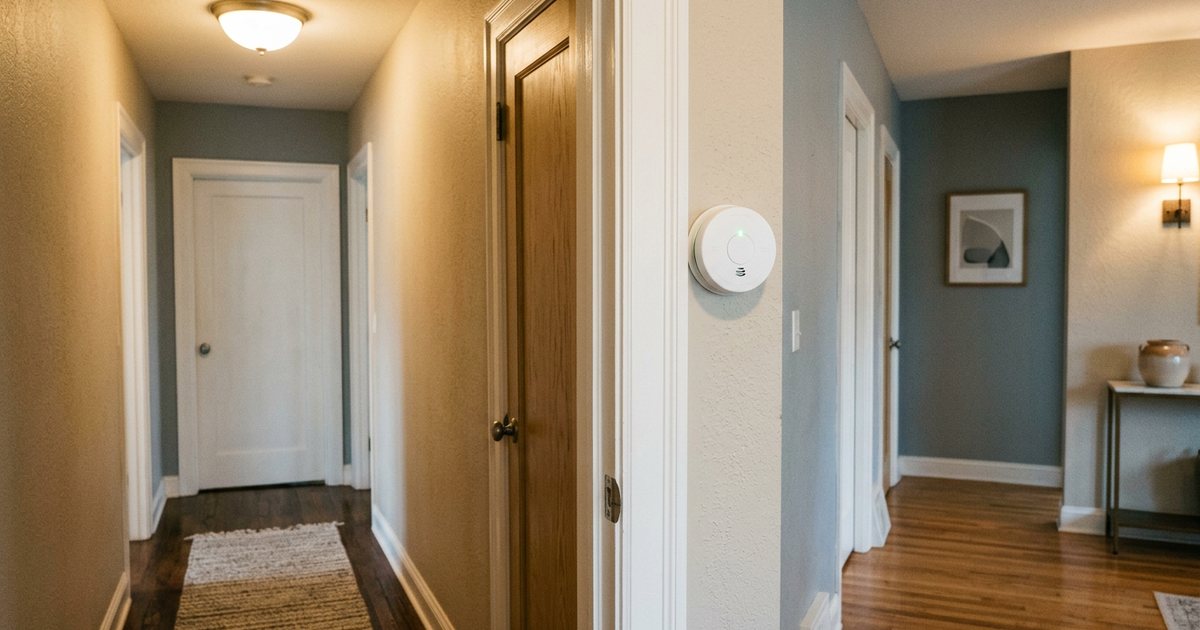
A few events should trigger an off-cycle check regardless of the calendar. Buy or install any fuel burning appliance and you have changed the combustion picture in the house. Buy the house itself and you have inherited equipment with a history you do not know. Air sealing, new windows, or added insulation are worth flagging too, because tightening the building envelope reduces the incidental air leakage that older atmospheric vented appliances quietly relied on to draft properly. Storm season is its own trigger if you keep a generator.

Documenting Your Audit
Keep a simple written record of each year’s audit findings and completed actions, useful both for your own tracking and for demonstrating compliance history if you ever sell.
A useful record is short and specific. For each alarm, note the location, the brand and model, the manufacture date, the replacement date it implies, and whether the unit is battery only, hardwired, or interconnected. For each fuel burning appliance, note the last professional service date and anything you observed yourself. A single page per year is plenty, and the value comes from the comparison across years rather than from any one entry.
If your alarms have a digital display, record the peak reading stored in memory before you clear it. Many units retain the highest concentration seen since the last reset, and that number is genuinely diagnostic. A house that has never registered above zero looks very different from one quietly touching twenty or thirty parts per million during heating season, and the second case points a technician straight at a combustion or venting problem while it is still a maintenance item rather than an emergency.

What the Annual Audit Cannot Tell You
It is worth being precise about the limits of a homeowner audit, because the most common false assurance in this whole subject comes from the test button. Pressing it confirms that the horn sounds, the battery has voltage, and the circuit works. It does not expose the sensor to carbon monoxide and it does not confirm the sensor still responds accurately. A unit whose sensor has drifted or died will pass a button test every single time. This is why replacement is scheduled by date rather than validated by testing.
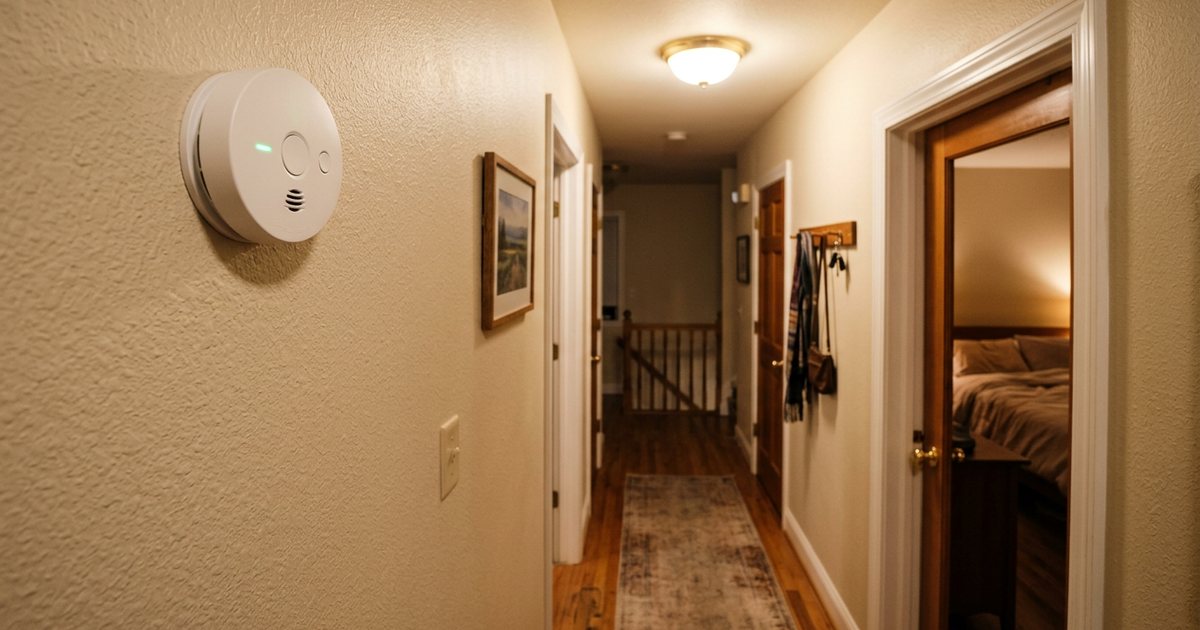
The second limit is that a visual appliance check is not a combustion analysis. A technician with a combustion analyzer measures the carbon monoxide concentration in the flue gas, checks draft, and can perform a worst case depressurization test that runs the clothes dryer, range hood, and bathroom fans together to see whether the house pulls exhaust gases back down a water heater flue.
That failure mode leaves no visible trace, and it is common enough in tightly built or heavily exhausted homes that it is the main reason to keep a professional assessment in the annual plan rather than relying on your own inspection.
Treat the audit, then, as a scheduling and verification exercise rather than a test. It confirms equipment is present, correctly placed, in date, and powered, and it flags anything visibly wrong. The measurement work belongs to the alarms themselves, which watch continuously, and to a technician with calibrated instruments once a year.
FAQ
Do I need a separate audit just for CO, or can I combine it with general home maintenance?
Combining CO-specific items into your broader annual home safety audit is practical and helps ensure nothing gets overlooked.
How long does a carbon monoxide detector actually last?
Most residential units are rated for five to ten years from the date of manufacture, with seven and ten being the most common today. The date is printed on the back or side of the housing. Replacement is based on that date rather than on whether the unit still appears to work, because electrochemical sensors lose accuracy gradually and give no outward sign of having done so.
My detector still chirps after I replaced the battery. What does that mean?
A chirp that continues through a fresh battery is usually the end of life signal rather than a low battery warning. Units are required to indicate when their sensor has reached the end of its rated service life, and the pattern is often similar enough to the low battery chirp that people replace the battery twice before checking the date. Read the manufacture date on the back and check it against the manual, since the chirp patterns differ between manufacturers.
Does pressing the test button confirm the sensor is working?
No. The test button verifies the horn, the electronics, and the power source. It does not challenge the sensing element with gas, so it cannot tell you whether the sensor still detects carbon monoxide accurately. This is the single most common misunderstanding about these devices, and it is the reason the manufacture date matters more than any test you can run at home.
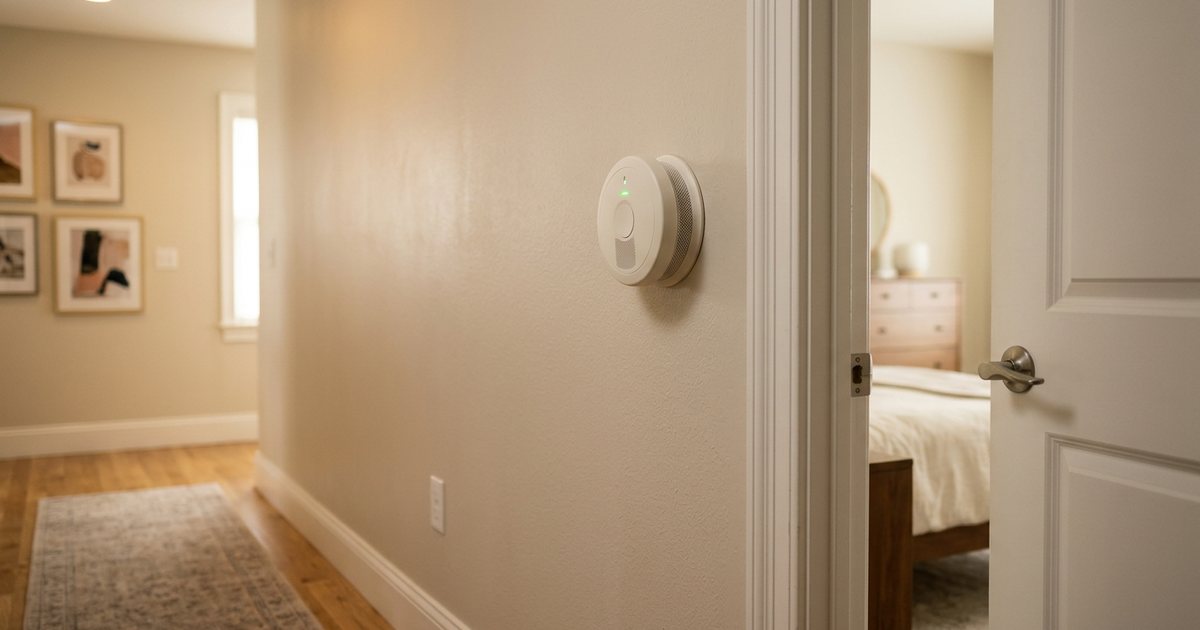
Don’t let a general home maintenance audit substitute for the CO-specific items — include them explicitly on your checklist.
References
- Carbon Monoxide's Impact on Indoor Air Quality. U.S. Environmental Protection Agency
These statements have not been evaluated by the Food and Drug Administration. This information is not intended to diagnose, treat, cure, or prevent any disease. Content is for informational purposes only and is not medical advice; consult a qualified healthcare provider before starting any supplement. As an Amazon Associate we earn from qualifying purchases.
