CO risk has a documented seasonal pattern tied to heating system use[1], making certain times of year better suited to prevention work.
The seasonal pattern is not a coincidence of weather. It follows the number of hours that fuel burning equipment runs inside a closed building. Through summer, a furnace is off, windows open periodically, and the house exchanges air with the outdoors at a much higher rate. Through winter, the same house is sealed, the heating plant cycles for months, and any incidental leak has both a source and an enclosure to accumulate in. Prevention work is therefore most valuable in the weeks just before that shift, not during it.
- Early fall, before heating season, is the ideal time for battery replacement and professional assessment.
- Winter has the highest CO incident rates but is a less ideal time to schedule preventive maintenance given contractor demand.
- Monthly detector testing should continue year-round regardless of season.
- This seasonal pattern reflects CO’s documented tie to heating system and portable generator use.
Fall: The Ideal Prevention Window
Early fall, before heating season begins, is the ideal time for detector battery replacement and professional furnace/combustion assessment — addressing potential issues before the season of highest use and highest risk begins.
A worthwhile autumn service visit involves more than a filter change. The parts that matter for carbon monoxide are a combustion analysis that measures carbon monoxide in the flue gas, a draft test confirming exhaust actually moves up and out under real operating conditions, an inspection of the heat exchanger for cracks or separation, and a look at the vent piping and its exterior termination. Ask specifically whether those were performed, because a low cost tune up is sometimes limited to cleaning and a filter.
Booking before the first cold night is a practical advantage rather than a preference. Heating contractors move to emergency dispatch once temperatures drop, which means longer waits and less flexibility about who shows up. It also means that if the visit turns up something needing a part or a follow up, you have weeks of mild weather to resolve it instead of choosing between an unheated house and a rushed repair.
Why Winter Is Higher-Risk, Not Higher-Prevention-Value
Winter is when CO incidents peak given heavy furnace and portable generator use, but it’s a less ideal time for preventive maintenance scheduling given contractor demand — plan ahead in fall instead.
Several risks stack in the same months. Furnaces and boilers run near continuously. Windows and doors stay shut. Power outages from winter storms send people to portable generators, which produce carbon monoxide at a rate that dwarfs a household appliance. Cars get started in attached garages to warm up, and a cold engine emits far more carbon monoxide than a warm one. Fireplaces and wood stoves come into use, sometimes with flues that have not been swept since the previous season.
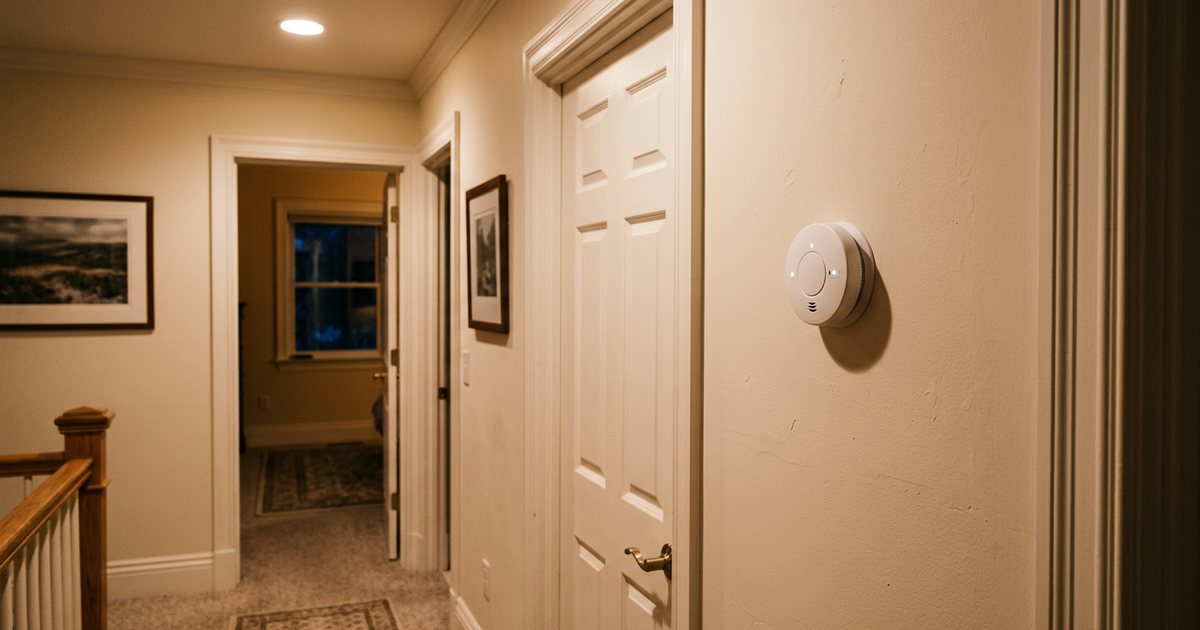
What changes in winter is the appropriate posture, not the schedule. Winter is for vigilance: responding to any alarm immediately, paying attention to headaches or nausea that improve when people leave the house, keeping exterior vent terminations clear after snowfall, and never running an engine or a fuel burning heater in an enclosed space. The maintenance and inspection work should already be behind you by then.

Detector Testing Year-Round
While preventive maintenance has a seasonal ideal window, monthly detector function testing should continue year-round regardless of season.
The monthly test remains a habit worth keeping in every season, with a clear understanding of what it accomplishes. It verifies the horn, the electronics, and the power supply, so it catches dead batteries, units knocked off their mounting plates, and hardwired alarms on a tripped circuit. It does not verify that the sensor still detects gas[2], which is governed by the manufacture date instead.
Warm weather brings its own sources that are easy to overlook precisely because the furnace is off. Charcoal and gas grills used in a garage or on a covered porch, camp stoves and lanterns brought indoors, gas powered pressure washers and mowers run inside a garage, pool and spa heaters, and boat engines all produce carbon monoxide. Attached garages are the recurring theme across seasons, since anything running in one shares air with the living space more readily than most people assume.

Storm Season Is Its Own Prevention Window
Portable generators deserve separate treatment because they concentrate the risk into a few days a year and because the harm typically follows an outage rather than a heating failure. A generator can produce carbon monoxide at a rate comparable to hundreds of idling cars[3], which is why placement guidance is measured in tens of feet rather than in feet. Current public safety guidance is to run one outdoors only, at least twenty feet from the building, with the exhaust directed away from doors, windows, and vents[3]. Garages, breezeways, porches, crawl spaces, and sheds do not count as outdoors for this purpose, and running one in an open garage is not a safe compromise.
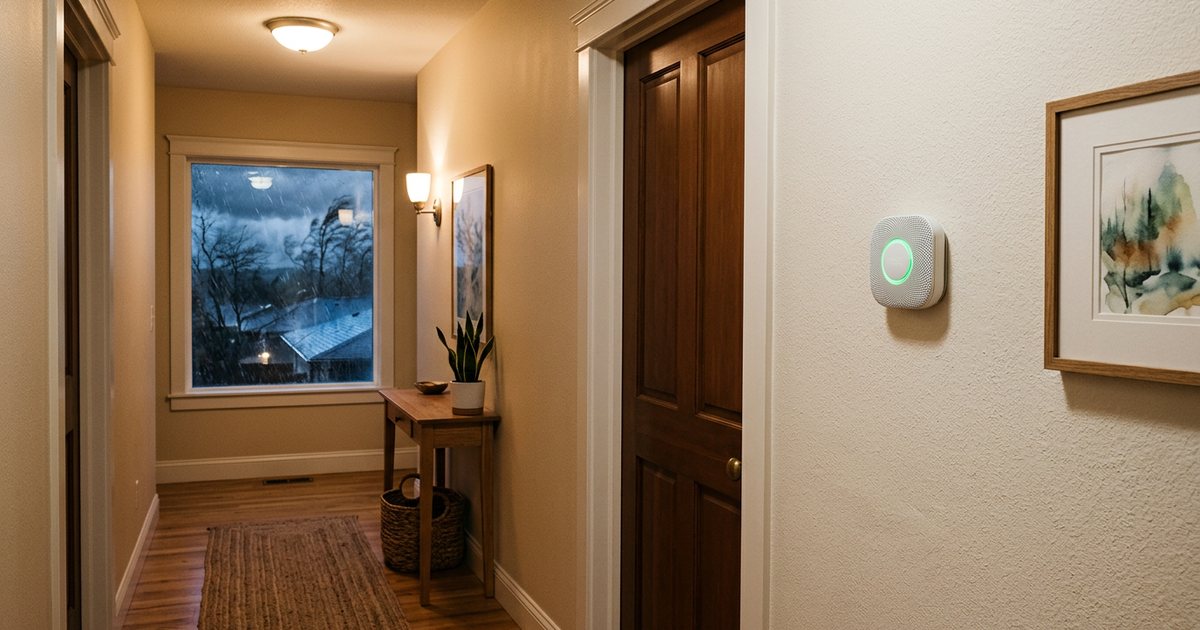
Newer portable generators are increasingly built to shut themselves down when carbon monoxide accumulates nearby, under voluntary safety standards developed in response to exactly this pattern of incidents. If you are buying, that automatic shutoff feature is the single specification most worth checking for, and it is usually marketed under a brand specific name on the box. It is a backstop rather than a substitute for correct placement.
The timing point is straightforward. Buy, position, and test the generator before the season it is meant for, and confirm the alarms in the house are current at the same time. Decisions made during an outage, in the dark and in the cold, are the ones that go wrong, and the twenty foot rule is the first thing to get compromised when the weather is bad and the extension cord is short.
FAQ
Should I wait until winter to check my CO safety setup?
No — fall, before heating season begins, is the better time to address prevention items, since this gets ahead of the winter period when actual incident risk peaks.
Is carbon monoxide risk genuinely lower in summer?
Household risk from heating equipment drops considerably, since the largest single source in most homes is not running. Summer risk shifts to other sources: grills and camp stoves used in enclosed spaces, gas powered tools run in garages, boats, and pool heaters. The seasonal pattern is real, but it reflects a change in which sources matter rather than an absence of risk.
How far from the house does a portable generator need to be?
Current guidance is at least twenty feet from the building, outdoors, with the exhaust pointed away from doors, windows, and vents. An open garage, a carport, a covered porch, or a shed does not satisfy this, because carbon monoxide accumulates under any roof and moves readily into adjoining living space.
Is it safe to warm up a car in an attached garage if the door is open?
No. A cold engine produces its highest carbon monoxide output in the first minutes of operation, an open garage door does not clear it quickly enough, and an attached garage shares air with the house through the connecting door, ceiling penetrations, and duct runs. Back the vehicle fully outside before letting it idle.
Don’t delay addressing a known issue until the ideal seasonal window — if something needs attention now, address it now.
References
- Centers for Disease Control and Prevention. Carbon Monoxide-Related Deaths – United States, 1999-2004. MMWR 56(50):1309-1312. CDC MMWR
- U.S. Consumer Product Safety Commission. Carbon Monoxide Questions and Answers. CPSC
- U.S. Consumer Product Safety Commission. Carbon Monoxide Information Center. CPSC
These statements have not been evaluated by the Food and Drug Administration. This information is not intended to diagnose, treat, cure, or prevent any disease. Content is for informational purposes only and is not medical advice; consult a qualified healthcare provider before starting any supplement. As an Amazon Associate we earn from qualifying purchases.
