Children face elevated CO exposure risk for physiological reasons distinct from adult vulnerability factors.
The mechanism of carbon monoxide poisoning is the same at every age. The gas binds to haemoglobin far more readily than oxygen does, occupying the sites that would otherwise carry oxygen and reducing what reaches the tissues. What differs in children is the arithmetic around that mechanism: how fast the gas is taken up relative to body size, how much of a given dose each kilogram of body weight absorbs, and how reliably the resulting symptoms get recognised and reported.
- Children breathe faster relative to body size, absorbing CO more quickly at a given concentration.
- Smaller body mass means a given CO dose represents proportionally larger exposure for a child.
- Young children may not articulate symptoms clearly — watch for unusual fussiness, lethargy, or vomiting.
- These factors combine to make detector-based prevention especially important in homes with children.
Faster Respiratory Rate
Children breathe faster relative to body size than adults, meaning they absorb CO more quickly at a given ambient concentration.
The relevant measure is the volume of air moved per minute relative to body weight, and in young children it is roughly double the adult figure. A toddler in a room at a given concentration is therefore drawing that air through their lungs at a much higher rate for their size than an adult standing beside them, and their blood concentration climbs correspondingly faster. Two people in the same room for the same length of time do not end up in the same physiological state.
This matters most during sleep, because sleep is when exposure lasts longest without anyone noticing. It is also worth setting aside a common assumption about placement: carbon monoxide has almost the same density as air and mixes with it readily rather than settling low or collecting at ceiling level. A child sleeping in a crib is not at greater risk because of height, and mounting an alarm low will not protect them better. What matters is that an alarm is positioned where it will be heard from the sleeping area.
Smaller Body Mass
Smaller body mass means a given CO dose represents a proportionally larger exposure for a child than for an adult in the same environment.
The same quantity of gas entering a smaller body represents a proportionally larger dose. Combined with the higher breathing rate, this means children reach a clinically significant blood saturation sooner and at lower ambient concentrations than adults in the same environment. Children also have a higher baseline demand for oxygen per kilogram to support growth and a faster metabolism, so a given reduction in oxygen carrying capacity has more effect rather than less.
Recovery follows the same asymmetry. Carbon monoxide clears from the blood over several hours breathing ordinary air, considerably faster on supplemental oxygen, which is why medical evaluation after a suspected exposure is worth pursuing rather than waiting to see whether symptoms resolve on their own. The fact that a child perks up after twenty minutes outdoors is a sign the exposure has stopped, not a sign that it did not matter.
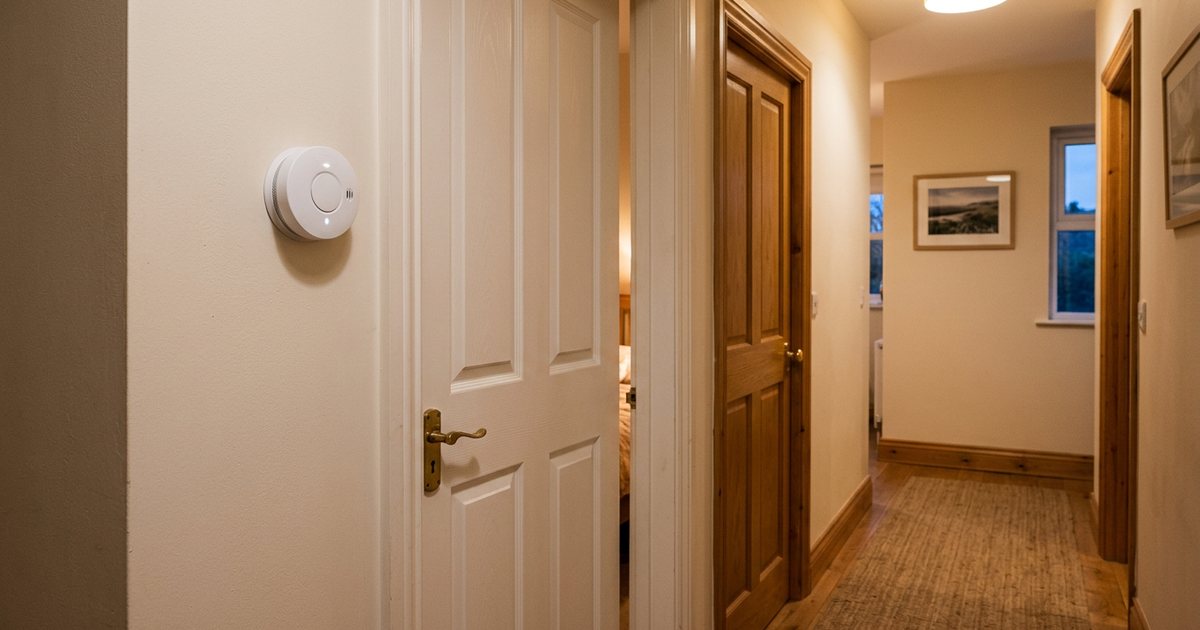

Recognizing Symptoms in Children
Young children may not be able to clearly articulate symptoms like headache or dizziness — watch for unusual fussiness, lethargy, or vomiting as potential indirect indicators.
Pre verbal and young children cannot report a headache, a sense of dizziness, or difficulty concentrating, which are among the earliest and most common effects. What is observable instead is behavioural and non specific: unusual irritability or fussiness, unexpected sleepiness or difficulty rousing, poor feeding, vomiting, and unsteadiness in a child who normally walks confidently. Any of these on their own has a dozen ordinary explanations, which is precisely the difficulty.
The pattern that distinguishes it is usually about the household rather than the child. Carbon monoxide exposure tends to affect everyone in the building at once, symptoms typically improve within hours of leaving and return after coming home, and there is generally no fever. Pets may be affected too, and being smaller they often show it first. A family that assumes it has picked up a stomach virus, and notices that everyone feels fine at the grandparents’ house and unwell again by the following morning, is describing a building problem rather than an infection.

Pregnancy and the Developing Fetus
Pregnancy belongs in any discussion of elevated vulnerability, and it is frequently left out. Fetal haemoglobin binds carbon monoxide even more avidly than adult haemoglobin does, so fetal blood concentrations can rise above the mother’s during the same exposure. Clearance is slower on the fetal side as well, which means the exposure effectively lasts longer for the fetus than for the pregnant person, and it continues after the mother has been moved to fresh air.
The practical consequence is that maternal symptoms are an unreliable guide to fetal exposure. A pregnant person may report only a mild headache while the underlying exposure is more significant than that symptom suggests [1]. This is the clearest single reason to treat a suspected exposure during pregnancy as warranting prompt medical assessment rather than watchful waiting, and to mention the suspected source when seeking care so that the assessment is directed appropriately.
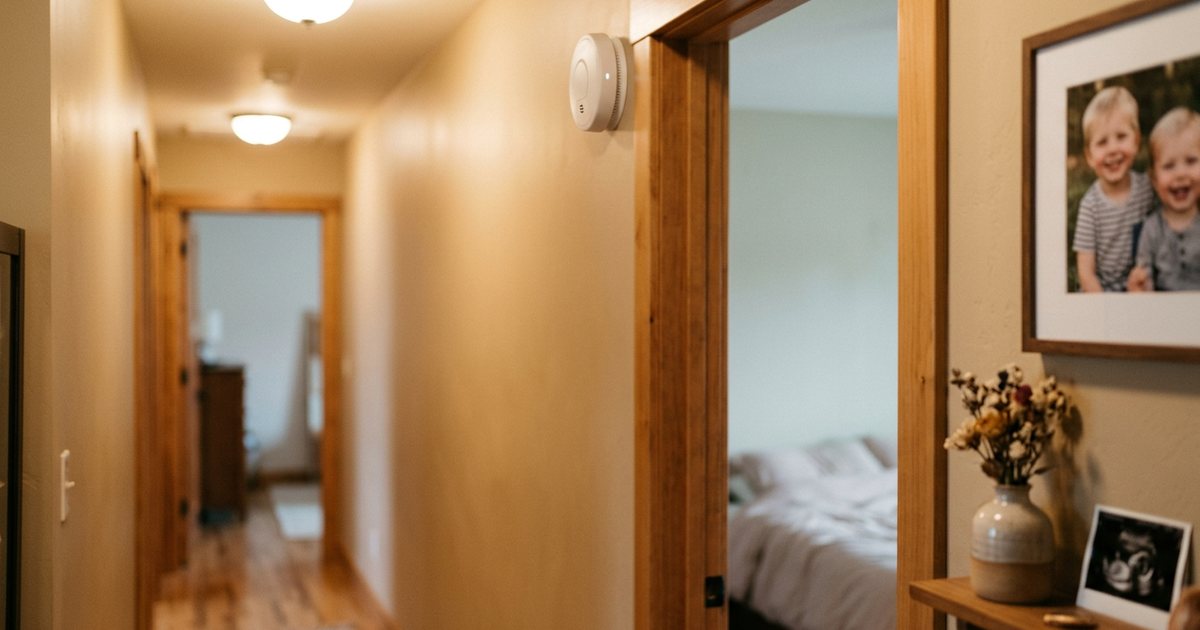
It is also the strongest household argument for taking sustained low level exposure seriously rather than relying only on the alarm threshold. Standard residential alarms are built to ignore low concentrations over long periods, by design, so a home with a minor but continuous venting fault can stay below the alarm point indefinitely. In a household with a pregnancy, an infant, or an older adult, that gap is worth closing with a lower threshold monitor alongside the standard alarm and with a combustion appliance check rather than leaving it to the alarm alone.
FAQ
How would I know if my toddler was affected by CO exposure?
Watch for unusual fussiness, lethargy, or vomiting since young children may not articulate symptoms like headache or dizziness clearly — seek immediate medical evaluation if you suspect exposure.
Where should an alarm go relative to a child’s bedroom?
Outside the sleeping area, in the hallway or space adjoining the bedrooms, positioned so it will be heard clearly through a closed door. Height is not the important variable, since carbon monoxide mixes readily with air rather than settling. Follow the manufacturer’s mounting instructions, and keep the unit clear of bathrooms, supply vents, and dead air corners.
Can carbon monoxide exposure have lasting effects in children?
Significant exposures can produce effects that persist or appear after apparent recovery, particularly affecting concentration and memory, which is why medical evaluation after a suspected poisoning matters even when the child seems to improve once removed from the building. The evaluation also documents the event, which is useful if symptoms are followed up later.
Should I put an alarm inside the nursery itself?
An alarm outside the sleeping area is the baseline requirement and is generally sufficient. Adding one inside a nursery is not harmful provided it is kept away from windows, supply vents, and humid areas, but it should be an addition to correct hallway and per level coverage rather than a substitute for it.
Seek immediate medical evaluation if you suspect any CO exposure affecting a child, given their elevated vulnerability.
References
- Protect Your Family and Yourself from Carbon Monoxide Poisoning. U.S. Environmental Protection Agency
These statements have not been evaluated by the Food and Drug Administration. This information is not intended to diagnose, treat, cure, or prevent any disease. Content is for informational purposes only and is not medical advice; consult a qualified healthcare provider before starting any supplement. As an Amazon Associate we earn from qualifying purchases.
