CO is generally assessed and addressed independently, though it shares some common source overlap with other home air quality concerns.
Home air quality hazards are often discussed as a single category, which obscures how different they are in mechanism and timescale. Carbon monoxide acts within minutes to hours by displacing oxygen in the blood. Radon acts over decades by raising lifetime cancer risk. Volatile organic compounds and particulates act mostly through irritation and longer term respiratory effects. Grouping them together tends to produce vague advice, so it is more useful to identify precisely where they overlap and where they do not.
- CO poisoning is assessed independently given its distinct acute mechanism.
- Poorly maintained appliances and inadequate ventilation are shared contributing factors across several air quality concerns.
- Good general ventilation and maintenance practices support multiple air quality goals simultaneously.
- Address CO-specific detection as its own dedicated priority rather than assuming other air quality measures cover it.
Independent Assessment Is Standard
CO poisoning is a distinct, acute physiological mechanism (oxygen displacement in the bloodstream) assessed independently from other home hazards like radon or VOCs, which involve different mechanisms and timescales.
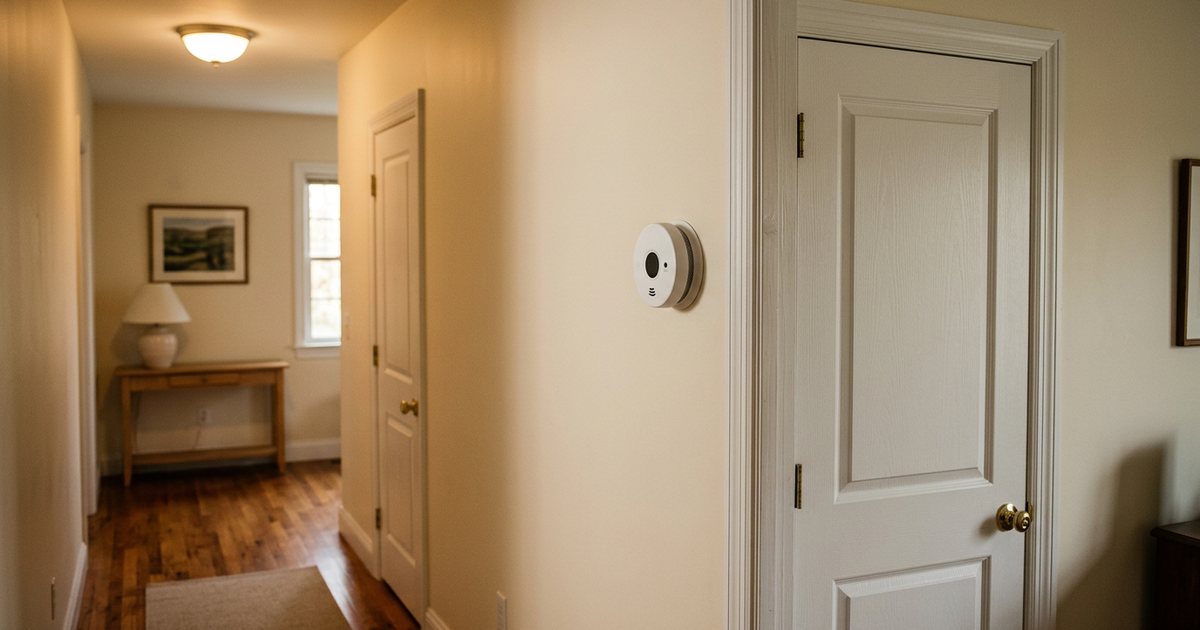
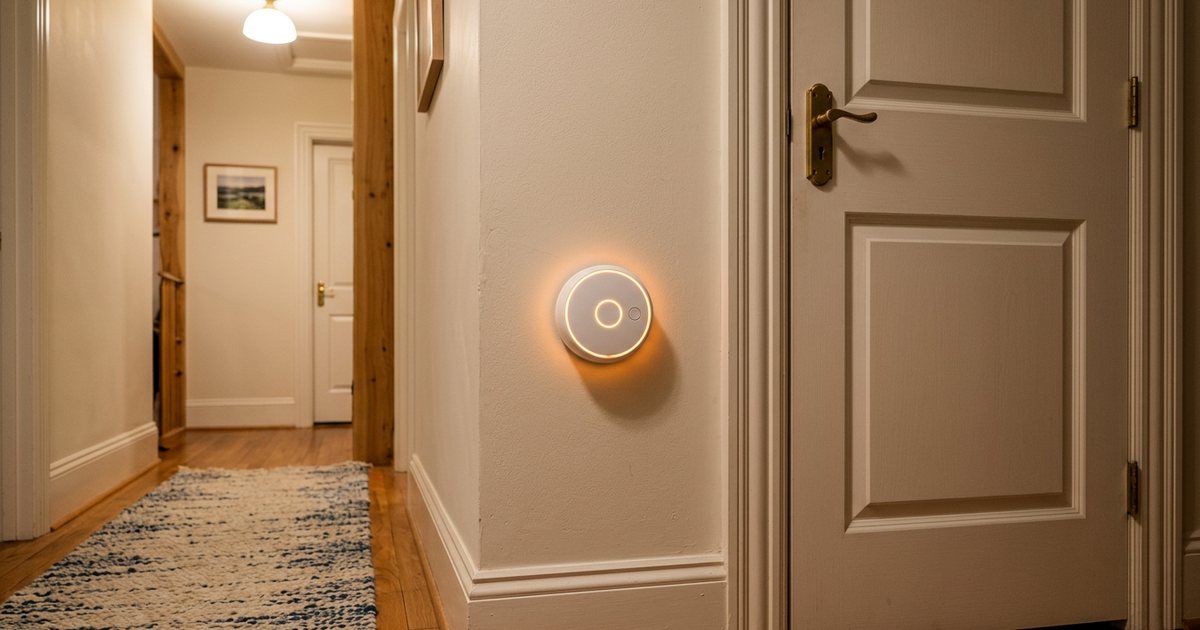
The instruments reflect the difference. Carbon monoxide is measured with an electrochemical sensor reading in parts per million, either continuously by an alarm or at a point in time by a technician’s analyser. Radon requires a multi day or multi month integrated test, because the number that matters is a long run average rather than a current reading. There is no combined test that covers both, and a device advertising broad air quality monitoring generally is not a listed carbon monoxide alarm and should not be relied on as one.
The response timelines differ just as sharply. An elevated carbon monoxide reading is an immediate matter that may require evacuating the building. An elevated radon result is a mitigation project scheduled over weeks. Treating them with a single generic indoor air quality plan tends to give the urgent one too little attention and the chronic one too much urgency, which is the practical reason for keeping the assessments separate.
Shared Source Overlap
Poorly maintained fuel-burning appliances and inadequate ventilation can be shared contributing factors across CO risk and some indoor air quality concerns, making general home ventilation and maintenance a common protective factor.
The genuine overlap is not in the contaminants but in the air movement of the building. A house that is tightly sealed and heavily exhausted can be pulled into negative pressure by clothes dryers, range hoods, and bathroom fans running together. Under that condition an atmospherically vented water heater or furnace can backdraft, meaning flue gases travel down the vent into the living space instead of up and out [1]. The same negative pressure also draws more soil gas, and therefore more radon, in through foundation cracks and penetrations.
This is why weatherising a house can raise both risks at once without anything having broken. Air sealing, new windows, and added insulation reduce the incidental leakage that older combustion appliances quietly relied on for combustion air and draft. The remedy is not to make the house leakier but to supply air deliberately, through a dedicated make up air path for combustion equipment or by moving to sealed combustion appliances that draw their air directly from outdoors.

Practical Takeaway for Home Safety Strategy
Address CO-specific detection and appliance maintenance as its own priority, while recognizing that good general home ventilation and appliance maintenance practices support multiple air quality goals simultaneously.
A sensible sequence follows the timescales. Put listed carbon monoxide alarms in place first, since that is the hazard that can cause harm today and the fix takes an afternoon. Schedule a combustion appliance assessment next, which addresses the source rather than the symptom. Run a radon test after that, on its own timeline, and treat any result on its own terms.
Where a single measure helps across several of these, it is ventilation designed rather than ventilation improvised. Balanced mechanical ventilation and adequate make up air address the pressure imbalance that drives backdrafting and soil gas entry alike. Opening windows helps temporarily and is the right immediate response to a suspected problem, but it is not a strategy, since it fails in exactly the conditions when the risk is highest, meaning winter with the heating running.

The One Interaction That Genuinely Compounds
There is a real interaction, and it is on the physiological side rather than the environmental one. Carbon monoxide causes harm by reducing the oxygen carrying capacity of the blood, so anything else that already reduces oxygen delivery starts the exposure from a worse baseline. Existing cardiovascular disease is the clearest example, since a heart already receiving marginal blood flow tolerates a reduction in oxygen carrying capacity poorly, and effects such as chest pain on exertion can appear at blood saturations that would produce only a mild headache in a healthy adult.
Regular smoking is worth naming specifically because it raises baseline carboxyhaemoglobin measurably before any household exposure occurs. That has two effects. It shifts the starting point closer to the level where symptoms appear, and it can complicate interpretation of a blood test taken after a suspected incident, so it is worth mentioning to a clinician rather than leaving them to infer it. Anaemia and chronic respiratory disease shift the same baseline for the same underlying reason, and living at high altitude does as well.
None of this changes what you do about the building, which is detection plus correctly maintained and vented appliances. What it changes is the threshold at which a household should treat a marginal situation as worth acting on. A home with an older resident who has heart disease has a stronger case for adding a lower threshold monitor and for keeping the annual combustion assessment on the calendar than a household of healthy adults with the same equipment.
FAQ
If I have good ventilation for other air quality concerns, am I protected from CO too?
General good ventilation and appliance maintenance help, but CO-specific detection (a dedicated detector) is still essential and shouldn’t be assumed covered by other measures.
Does a radon mitigation system change carbon monoxide risk?
It can, which is why the two are worth considering together at the point of installation. An active sub slab depressurisation fan alters the pressure balance of the lower level, and in a house with atmospherically vented combustion appliances that is a change worth checking. Ask the installer to confirm appliance draft after commissioning, and keep carbon monoxide alarms on that level.
Will an air purifier remove carbon monoxide from the air?
No. HEPA filtration captures particles and does nothing to a gas. Ordinary activated carbon filters are not effective at adsorbing carbon monoxide either. No consumer air cleaner should be treated as a control for carbon monoxide, and the only meaningful responses are eliminating the source, venting it correctly, and ventilating with outdoor air.
Does smoking affect my baseline carbon monoxide level?
Yes. Regular smoking raises baseline carboxyhaemoglobin above that of a non smoker, which means a given household exposure starts from a higher point and can produce symptoms sooner. It is also worth disclosing when a blood test is taken after a suspected exposure, since it affects how the result is interpreted.
Never substitute general air quality measures for a dedicated, functioning CO detector.
References
- Carbon Monoxide's Impact on Indoor Air Quality. U.S. Environmental Protection Agency
These statements have not been evaluated by the Food and Drug Administration. This information is not intended to diagnose, treat, cure, or prevent any disease. Content is for informational purposes only and is not medical advice; consult a qualified healthcare provider before starting any supplement. As an Amazon Associate we earn from qualifying purchases.
