Choosing the right detection tier depends on your specific home’s characteristics and personal monitoring preferences.
The tier language used in retail listings obscures more than it explains, because the meaningful line is not between cheap and expensive consumer alarms. It is between listed residential alarms, which are what belongs on a wall in a home, and professional instruments, which are calibrated measuring devices used by technicians and are not intended for permanent household installation. Sorting out which of those you are actually choosing between makes the decision considerably simpler.
- Basic UL 2034-certified detectors provide entirely adequate protection for most homes.
- Premium features add genuine value for specific situations like remote elderly relative monitoring.
- Base your decision on your specific monitoring needs, not on defaulting to the most expensive option.
- Core safety doesn’t scale with price beyond proper certification.
When Basic Consumer Models Suffice
For most homes, a properly placed, UL 2034-certified basic detector provides entirely adequate protection without needing premium features.
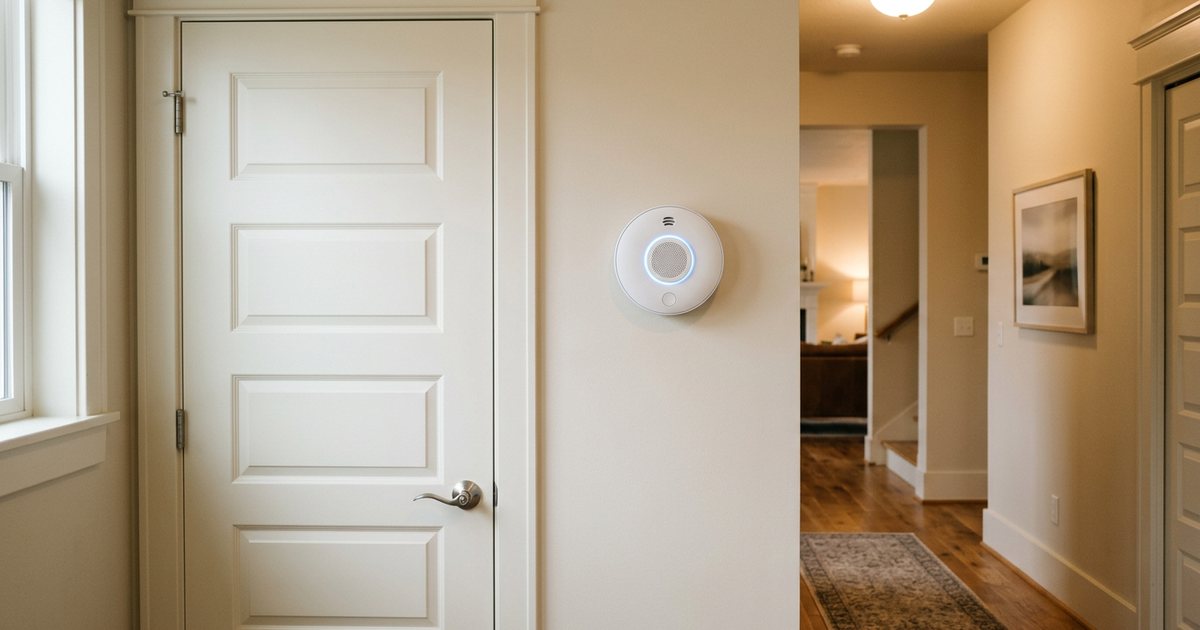
For the majority of homes a listed alarm, correctly placed and within its rated service life, is the appropriate equipment, and there is no protection gap to close by spending more. Certification defines the required response at defined concentrations[1], so a budget certified unit and a premium certified unit should behave similarly when gas is present. The variables that determine whether a household is actually protected are how many alarms there are, where they are, whether they can be heard from the bedrooms, and whether they are in date.
Within that tier, the specification worth paying slightly more for is a sealed ten year battery. The most common failure in the field is a battery pulled after a night time chirp and never replaced, and a sealed unit removes that possibility for the life of the device. It also makes the replacement date unambiguous, since the battery and the sensor expire together and the housing carries the date.
When Smart/Premium Models Add Real Value
Frequent travelers, those monitoring an elderly relative’s home remotely, or those who want integration with an existing smart home system may find premium features genuinely useful rather than just convenient.
Remote alerting is worth its cost where somebody would act differently because of it. A second property, a home empty for long stretches, or an older relative living independently whose alarms you want routed to your own phone are the clear cases. Where the household is present and would hear the horn anyway, the notification adds convenience rather than protection, which is a reasonable thing to buy but should be recognised as what it is.
The two premium features that change outcomes more reliably are a digital display with peak memory and interconnection. The display reports concentrations below the alarm threshold and stores the highest reading since the last reset, which converts a vague suspicion into something a technician can work from. Interconnection matters because the likeliest sources sit furthest from the bedrooms, and a single basement alarm is a weak warning to someone asleep two floors above it.
Making Your Decision
Base your choice on your specific situation’s monitoring needs rather than defaulting to the most expensive option, since core safety doesn’t scale with price beyond proper certification.
A workable sequence is to settle the count first, then the power format, then the extras. Work out how many alarms adequate coverage requires, meaning one per occupied level plus one outside each separate sleeping area[2].
Choose sealed ten year units. Add interconnection if the house has more than one floor. Add a digital display on at least the unit nearest the mechanical equipment. Consider app connectivity last, and only if somebody will act on the notification.
For households where sustained low level exposure is the concern rather than an acute event, the better use of the extra money is a low level monitor alongside the listed alarms rather than a more expensive connected alarm. That applies where there is a pregnancy, an infant, an older adult, or existing cardiac or respiratory disease, since the effects of a given blood concentration appear at a lower threshold in those groups.
What Professional Grade Actually Means
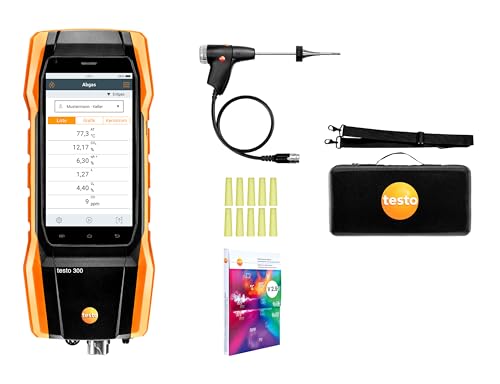
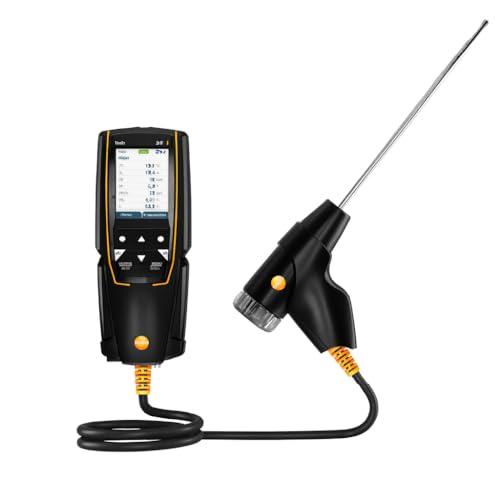
Genuinely professional carbon monoxide equipment is not a nicer wall unit. It is either a combustion analyser, which a technician inserts into a flue to measure carbon monoxide in the exhaust stream and assess how completely an appliance is burning, or a personal safety monitor of the kind worn on a belt in industrial settings, which alarms at occupational exposure thresholds well below residential alarm points. Both are measuring instruments rather than protective fixtures, and both are designed around a workflow no household runs.
That workflow is the reason they are a poor domestic purchase. Professional instruments require periodic calibration against a known gas to stay accurate, and many are bump tested before use to confirm the sensor responds at all. Calibration gas and the regulator to deliver it are consumable items with their own costs and shelf life. An uncalibrated professional instrument is not more trustworthy than a listed residential alarm, it is simply more expensive and unverified, and it is not listed for permanent installation as a household alarm in any case.
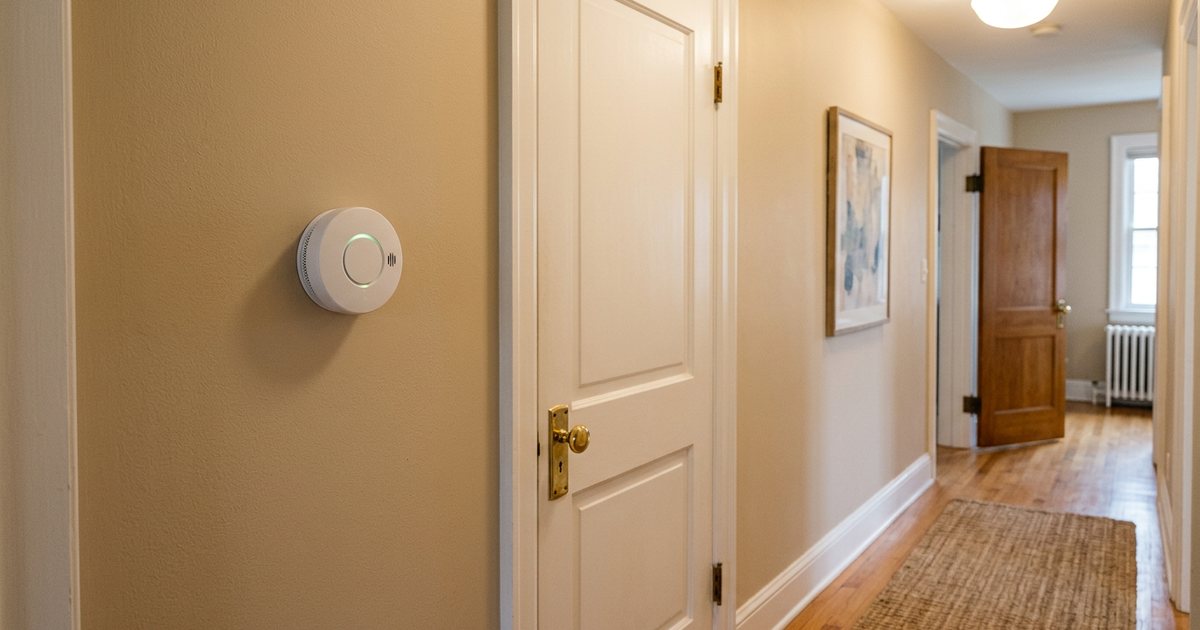
The residential equivalent of the capability people are usually reaching for, meaning awareness of concentrations below the standard alarm thresholds, is a low level monitor. It sits alongside a listed alarm rather than replacing it, it needs no calibration gas, and it addresses the actual gap in the standard. If the goal is sustained low level awareness rather than professional diagnostics, that is the device to buy, and the diagnostics are better handled by booking a technician who already owns the analyser.
FAQ
How do I decide which tier is right for my situation?
Consider whether remote monitoring (travel, elderly relative) genuinely matters for you — if not, a basic certified detector is entirely adequate.
What is the difference between a carbon monoxide alarm and a monitor?
An alarm is a listed safety device built to sound at defined concentrations within defined times, and it is what codes and rental requirements are written around. A monitor is a measuring device that reports concentrations, often including low levels a standard alarm is built to ignore. Monitors supplement alarms in households with elevated sensitivity, and do not replace them.
Does a home detector need calibration?
No. Residential alarms are sealed, factory calibrated devices with a rated service life and are replaced rather than recalibrated. Calibration belongs to professional instruments, which are checked against a known test gas at intervals. This is one of the practical reasons professional equipment is not a sensible household purchase.
Are the alarms landlords install different from what I would buy myself?
Usually not in capability, since rental requirements are generally written around the same listed residential alarms sold at retail. What tends to differ is age and record keeping. It is worth checking the manufacture date on any alarm you did not install yourself, and asking whether hardwired units are interconnected, since neither is visible from the floor.
Never sacrifice UL 2034 certification for a cheaper, uncertified option regardless of tier preference.
References
- Kidde. Understanding Carbon Monoxide Levels. Kidde
- U.S. Consumer Product Safety Commission. Carbon Monoxide Questions and Answers. CPSC
These statements have not been evaluated by the Food and Drug Administration. This information is not intended to diagnose, treat, cure, or prevent any disease. Content is for informational purposes only and is not medical advice; consult a qualified healthcare provider before starting any supplement. As an Amazon Associate we earn from qualifying purchases.
