A structured comparison framework helps you decide how much to invest in CO safety relative to your specific home and risk factors.
- Minimal compliance meets only state minimum requirements at lowest cost.
- Comprehensive prevention adds coverage, tier, and professional assessment at higher cost.
- Base your approach on your specific risk factors (home age, appliance age, vulnerable household members).
- This framework helps you decide the right investment level for your particular situation rather than defaulting to either extreme.
Most CO safety comparisons fail for the same reason: they compare purchase prices for products that last different lengths of time. A $20 alarm and a $45 alarm are not two prices for the same thing if one carries a replaceable battery and a five-year sensor and the other carries a sealed ten-year battery and a ten-year sensor. Compared on sticker price the cheaper one wins. Compared on cost per protected year it usually does not.
The fix is to convert everything to an annual figure before you compare anything. It takes a minute per option and it reorders the answer often enough to be worth doing every time.
Minimal Compliance Approach
Meeting only your state’s minimum detector requirement with basic units represents the lowest-cost, baseline-compliant approach.
Comprehensive Prevention Approach
Adding detectors beyond minimum requirements (every level, all sleeping areas), choosing smart/premium models, and maintaining annual professional assessment represents a more comprehensive, higher-cost approach.

Choosing Your Approach
Base your choice on your specific risk factors (home age, appliance age, household members with elevated vulnerability) rather than defaulting to either extreme without considering your particular situation.
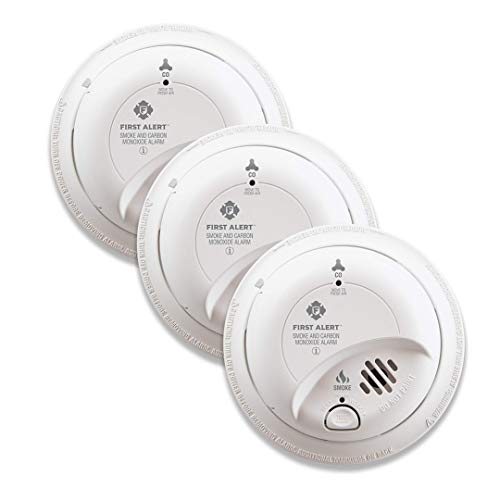
Compare on Cost Per Protected Year, Not Sticker Price
Every CO alarm has a sensor service life, typically five to ten years depending on the model, after which the unit signals end of life and must be replaced regardless of how healthy it looks. That number, not the warranty and not the battery, is what you divide by.
Take a basic battery alarm at roughly $20 with a five-year sensor and a 9V battery replaced annually. The battery adds a few dollars a year, so the ten-year cost is two units plus ten batteries. Now take a sealed ten-year unit at roughly $40 with no battery to buy. Over the same decade the cheaper alarm is not cheaper, and it also asked you to remember a battery change nine times, each of which is a chance to end up with a chirping unit that somebody disables at two in the morning.
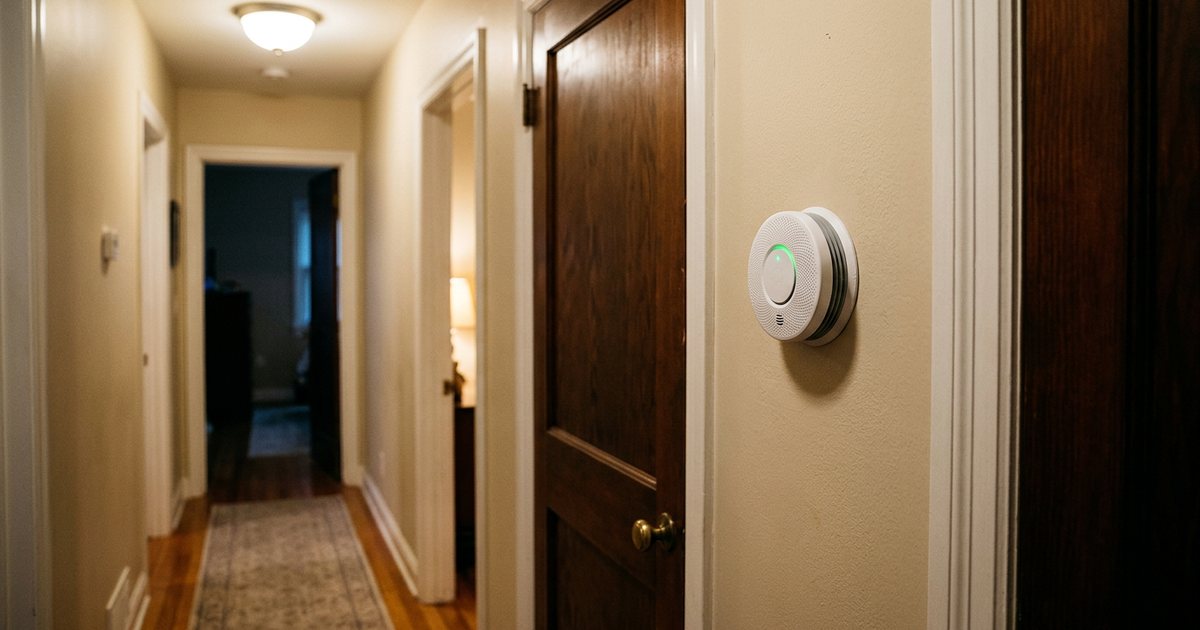
That last point is the part a spreadsheet misses. Maintenance burden is a real cost because skipped maintenance is the most common way a household ends up with an alarm that is present but not working.
The Costs Most Comparisons Leave Out
Three line items get dropped from nearly every DIY comparison, and all three favor whichever option looked more expensive up front.
- Replacement cadence. Combination smoke and CO units often have different service lives for each sensor, so the unit gets replaced on the shorter of the two clocks.
- Installation. Battery and plug-in units cost nothing to install. Hardwired interconnected units need an electrician unless the wiring already exists, and that single line can exceed the entire hardware budget.
- The assessment you will book anyway. If a combustion safety check is already inside your annual furnace service contract, counting it as a new CO cost double-counts money you were already spending.
A Practical Way to Run the Comparison
Write down the alarm count your home actually needs first, because that multiplier drives everything and it is set by your layout rather than by your budget. Guidance generally puts an alarm outside each separate sleeping area and on every level including the basement, so a two-story home with a basement is usually a three or four unit home [1].
Then price each candidate as hardware cost times unit count, divided by sensor service life, plus annual consumables, plus any one-time installation. Compare those annual figures. Finally, sanity-check the winner against the one thing money cannot fix: whether the alarm will actually be heard from the bedrooms with the doors closed. An option that is a dollar a year cheaper and inaudible where people sleep is not the cheaper option.
FAQ
Should everyone go with the comprehensive approach regardless of cost?
Not necessarily — base your decision on your specific risk factors. Older homes, older appliances, or vulnerable household members (children, pregnant individuals, elderly relatives) tilt toward the more comprehensive approach.
Are expensive CO alarms more sensitive than cheap ones?
Not in the way people assume. Any alarm carrying a current certification mark meets the same required response windows, so a certified budget unit and a certified premium unit alarm at the same thresholds. What the extra money buys is sensor service life, a digital readout, peak-level memory, interconnection and smart alerting, not a lower alarm point.
Is a combination smoke and CO alarm cheaper than buying both?
Usually yes on hardware and definitely on installation, since it is one mounting point and one device to maintain. The catch is that the two sensors can have different service lives, so budget for replacement on the shorter clock rather than the longer one.
How do I compare a professional assessment against buying more alarms?
They are not substitutes, so comparing them directly is the error. Alarms tell you that CO is already in the air. An assessment tells you whether an appliance is about to put it there. A household with good alarm coverage and an unserviced twenty-year-old furnace has bought detection without reducing the underlying risk.
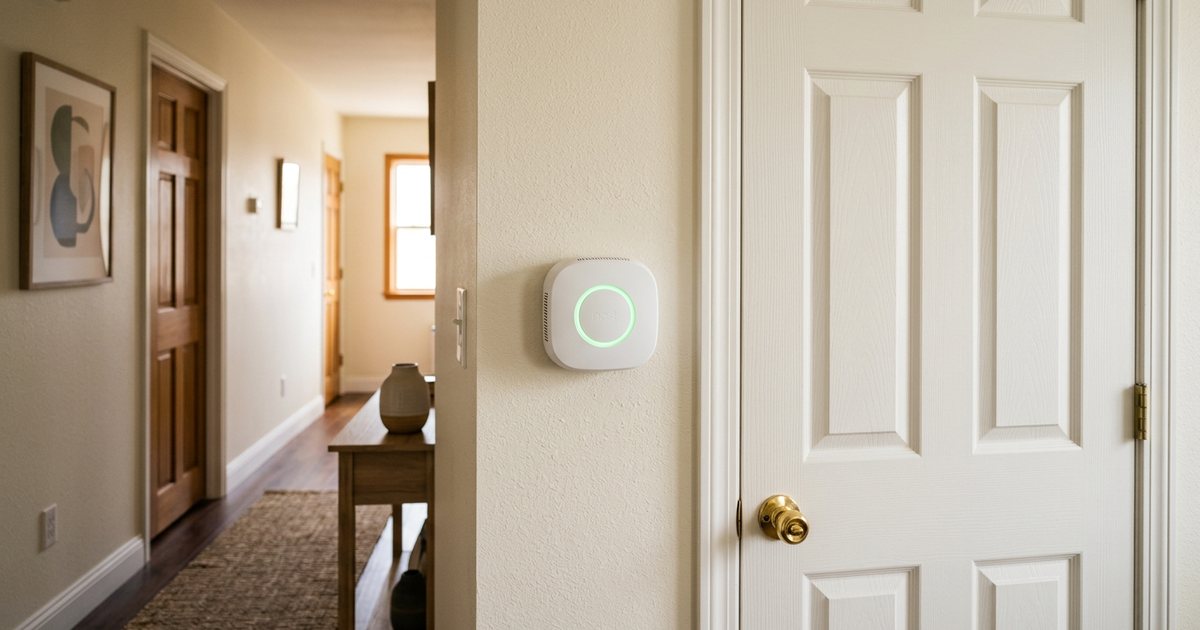
Does a smart alarm justify the price difference?
It depends entirely on whether anyone is home to hear a horn. For an occupied primary residence with alarms near the bedrooms, the added value is modest. For a rental, a second home, or a household where someone lives alone, a push alert to a phone is the difference between a detected event and an undetected one.
Never choose an approach below your state’s minimum legal compliance requirement, regardless of cost considerations.
References
- Carbon Monoxide Alarms: Protect Your Family and Yourself (infographic text). U.S. Environmental Protection Agency
These statements have not been evaluated by the Food and Drug Administration. This information is not intended to diagnose, treat, cure, or prevent any disease. Content is for informational purposes only and is not medical advice; consult a qualified healthcare provider before starting any supplement. As an Amazon Associate we earn from qualifying purchases.