Understanding the cost of inaction helps illustrate why the modest expense of prevention is clearly worthwhile.
- Undetected CO exposure carries acute health risk far beyond any financial measure.
- Delayed repair of a minor appliance issue can develop into a costlier problem over time.
- Prevention’s modest cost is clearly worthwhile against both health and financial cost of inaction.
- This comparison makes prevention the obvious choice on every dimension, not just the financial one.
Prevention spending is easy to defer because nothing visibly changes when you do it. The furnace ran fine last winter and it will probably run fine this winter, so the $150 stays in the account. The argument for spending it is not that something is likely to go wrong this year. It is that the cost curve on this particular hazard is unusually lopsided.
On most home maintenance, deferring turns a small bill into a larger bill. On carbon monoxide, deferring turns a small bill into a medical event, and the gap between the two numbers is several orders of magnitude.
Health Costs of Inaction
Undetected CO exposure carries acute health risk, from mild symptoms to poisoning requiring emergency treatment or worse — a cost far beyond any financial measure.
Financial Costs of Delayed Repair
A minor appliance issue left unaddressed can develop into a more extensive, costlier repair or full replacement over time, compounding the eventual financial cost of inaction.

Why Prevention Remains the Clear Choice
Weighing the modest cost of ongoing prevention against both the health stakes and the potential for compounding financial cost makes inaction the clearly worse choice on every dimension.
What the Numbers Actually Look Like
US federal health data puts unintentional, non-fire carbon monoxide poisoning at an average of roughly 430 deaths per year across 1999 to 2010[1], with provisional figures for 2022 showing 624 accidental deaths[2]. Beyond the fatalities, more than 100,000 people visit an emergency department for accidental CO poisoning each year and more than 14,000 are hospitalized[3].
Two features of that data matter for budgeting. First, incidents cluster in the winter months[4], which means the exposure is seasonal and predictable rather than random. Second, the non-fatal cases outnumber the fatal ones by a wide margin, and it is the non-fatal cases that carry the financial consequences most households would actually face: an ambulance, an emergency department visit, possibly hyperbaric oxygen therapy, and time off work.
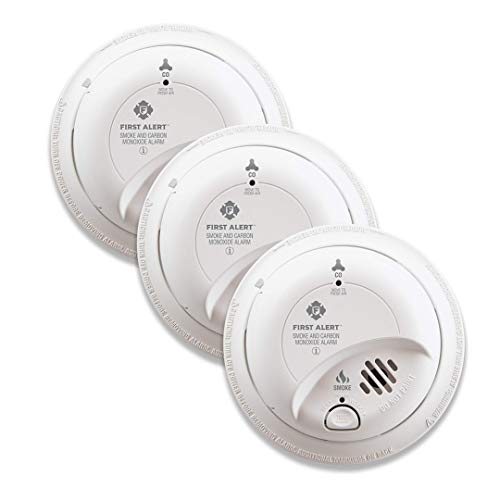
Against that, the entire preventive package is a handful of certified alarms and one annual appliance check. There are not many home safety decisions where the intervention is this cheap relative to the outcome it is guarding against.
The Failure Modes That Cost the Most
Inaction rarely looks like a household that decided against CO safety. It usually looks like one of these four situations.
- An expired alarm nobody replaced. Sensors degrade on a five to ten year clock and the unit chirps at end of life. A chirping alarm that gets its battery pulled instead of being replaced is the most common form of this failure, and the household believes it is protected.
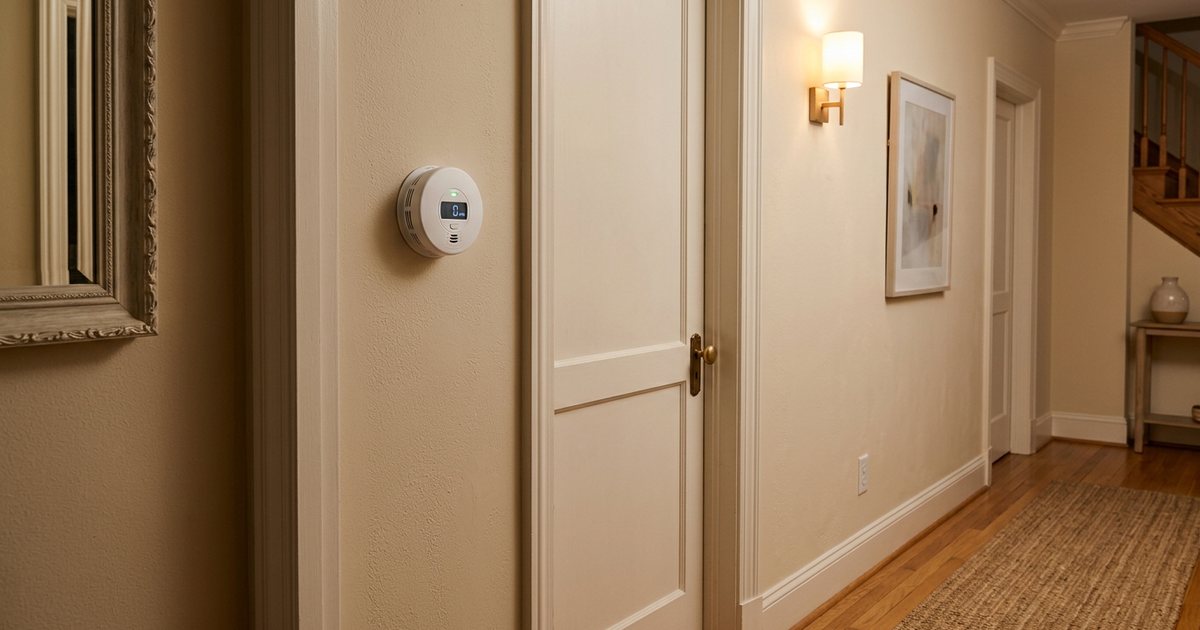
- Coverage that stops at one floor. A single alarm in a hallway does not protect a finished basement with the furnace in it or a bedroom two floors up behind a closed door.
- A deferred furnace repair. A cracked heat exchanger or a partially blocked flue is a repair bill when caught during a service visit and an emergency when it is not.
- A temporary source treated as harmless. Portable generators, charcoal grills, camp stoves and vehicles idling in attached garages account for a meaningful share of incidents, and they spike during storm-driven power outages when the alarm may also be running on a dead battery.
How the Delay Compounds
The three costs of waiting stack rather than substitute. The health exposure runs the whole time you are uncovered. The appliance problem that an assessment would have caught keeps getting worse, so a repair becomes a replacement. And an alarm that ages out while you are deferring leaves you with no detection at exactly the point the underlying risk is highest.
That is what separates this from ordinary deferred maintenance. If you put off gutter cleaning for two years you have a bigger gutter job. If you put off CO safety for two years you have an older appliance, an expired alarm, and two winters of exposure, and the third of those cannot be bought back later.
FAQ
Is it really worth spending on prevention if nothing has gone wrong yet?
Yes — the health stakes of undetected exposure and the potential for a minor issue to compound into a costlier problem both make ongoing prevention clearly worthwhile.
Nothing has gone wrong in twenty years. Does that mean my home is low risk?
It means the appliances have been working, which is genuinely good evidence about the past. It says less about the present, because the failure modes that produce CO are age-related: heat exchangers crack, vents corrode and block, and seals fail. A long clean history and aging equipment are compatible.
Will homeowners insurance cover a CO incident?
Policies vary and the answer depends on the cause, the policy language and your jurisdiction. Treat coverage as a question to confirm with your own insurer rather than as a reason to defer prevention, since even a covered claim involves a deductible, an incident and a health outcome that the coverage does not undo.
If I only do one thing this year, what should it be?
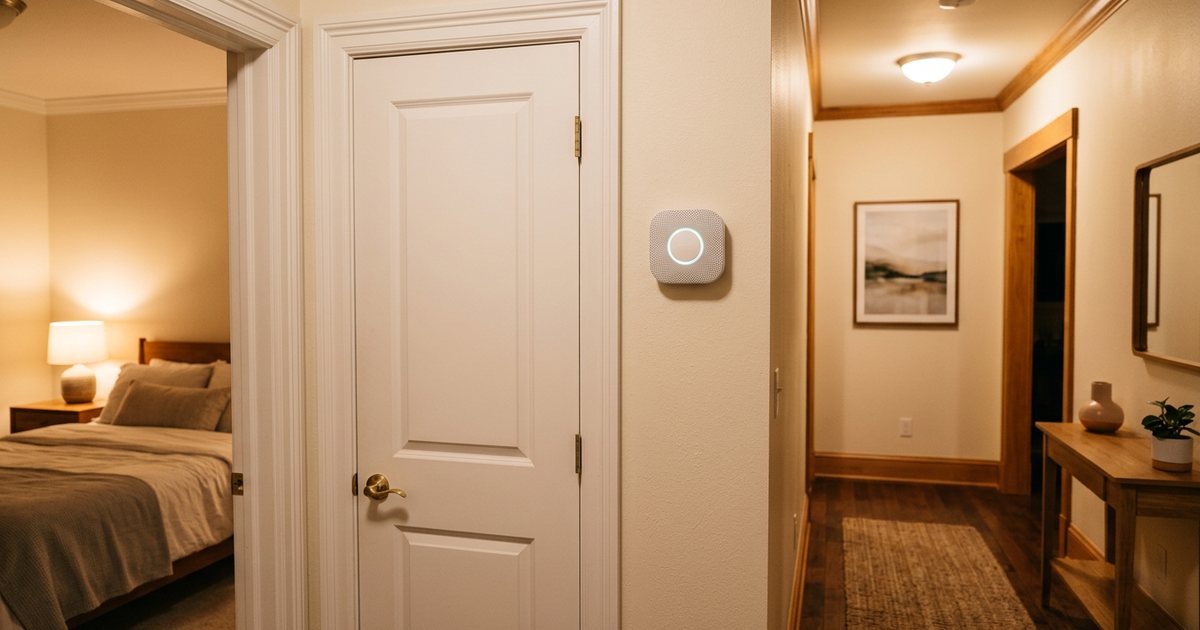
Confirm you have working, in-date certified alarms outside each sleeping area and on every level, including the basement. It is the cheapest step, it is the one that covers you against sources an appliance inspection cannot predict, and expired or missing alarms are the single most common gap.
Is an annual professional assessment necessary every year?
The value scales with how much combustion equipment you run and how old it is. A home with a gas furnace, gas water heater and gas range running through a cold winter benefits from annual servicing far more than an all-electric home with one gas appliance. Many households already have this bundled into a furnace service contract without realizing it.
Never let cost concerns delay addressing a known appliance issue or installing/maintaining detectors.
References
- Centers for Disease Control and Prevention. QuickStats: Average Annual Number of Deaths and Death Rates from Unintentional, Non-Fire-Related Carbon Monoxide Poisoning, by Sex and Age Group – United States, 1999-2010. MMWR 63(3). CDC MMWR
- USAFacts. Is carbon monoxide still a problem in the US?, reporting provisional CDC WONDER multiple-cause-of-death data. USAFacts
- Centers for Disease Control and Prevention. Carbon Monoxide Poisoning Basics. CDC
- Centers for Disease Control and Prevention. Carbon Monoxide-Related Deaths – United States, 1999-2004. MMWR 56(50):1309-1312. CDC MMWR
These statements have not been evaluated by the Food and Drug Administration. This information is not intended to diagnose, treat, cure, or prevent any disease. Content is for informational purposes only and is not medical advice; consult a qualified healthcare provider before starting any supplement. As an Amazon Associate we earn from qualifying purchases.