CO safety compliance is a smaller resale value factor than remediation-heavy hazards, but it still matters for buyer confidence and legal compliance.
- Buyers increasingly expect basic CO detector compliance as a baseline expectation.
- Documented professional assessment history can serve as a modest selling point.
- CO compliance is inexpensive to achieve, functioning as baseline/legal compliance rather than a major value driver.
- This differs from costlier-to-remediate hazards where compliance itself carries more resale weight.
Sellers ask this question hoping for the answer that applies to a kitchen renovation, where money in produces a measurable bump in the sale price. CO safety does not behave that way, and understanding why saves you from overinvesting before a listing.
Compliance items sit on the other side of the ledger from improvements. They do not add value when present. They subtract it when absent, because a missing required alarm shows up in an inspection report, and inspection findings become negotiating leverage regardless of how small the underlying fix is.
Compliance as a Baseline Expectation
Buyers increasingly expect basic CO detector compliance as a baseline, similar to smoke detectors — its absence can raise buyer concern even though the fix itself is inexpensive.
Documented Safety History as a Selling Point
A documented history of professional combustion appliance assessments can serve as a modest selling point, signaling proactive home maintenance to prospective buyers.

Why This Differs From Bigger-Ticket Hazards
Unlike hazards requiring costly remediation, CO compliance is inexpensive to achieve, so it functions more as a baseline expectation and legal compliance item than a major value driver.
What Inspectors and Appraisers Actually Record
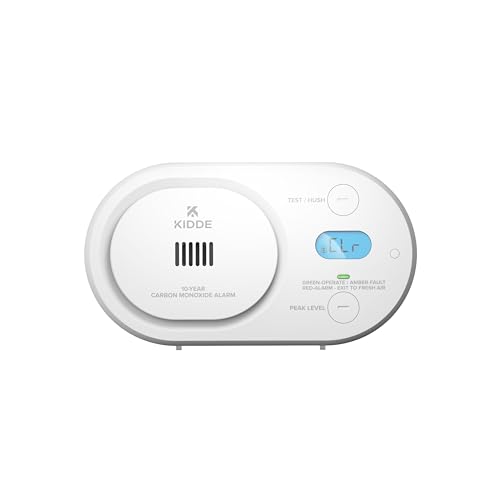
A home inspector checks whether CO alarms are present where required, whether they are within their service life, and whether combustion appliances vent properly. Those are pass or fail observations, not quality judgments. An expensive smart alarm and a basic certified alarm both read as present and compliant.
An appraiser is a different function. Appraisals are driven by comparable sales, square footage and condition, and a $120 alarm package is far below the resolution of that process. This is the core reason CO safety spending does not appear as added value: the person setting the number is not looking at it, while the person writing the report that triggers renegotiation absolutely is.
The practical consequence is that the return on CO compliance is measured in avoided concessions and avoided delay rather than in price. A finding that shows up two days before closing costs more than the alarm, because it is being resolved on someone else is timeline.
Disclosure and Point-of-Sale Requirements
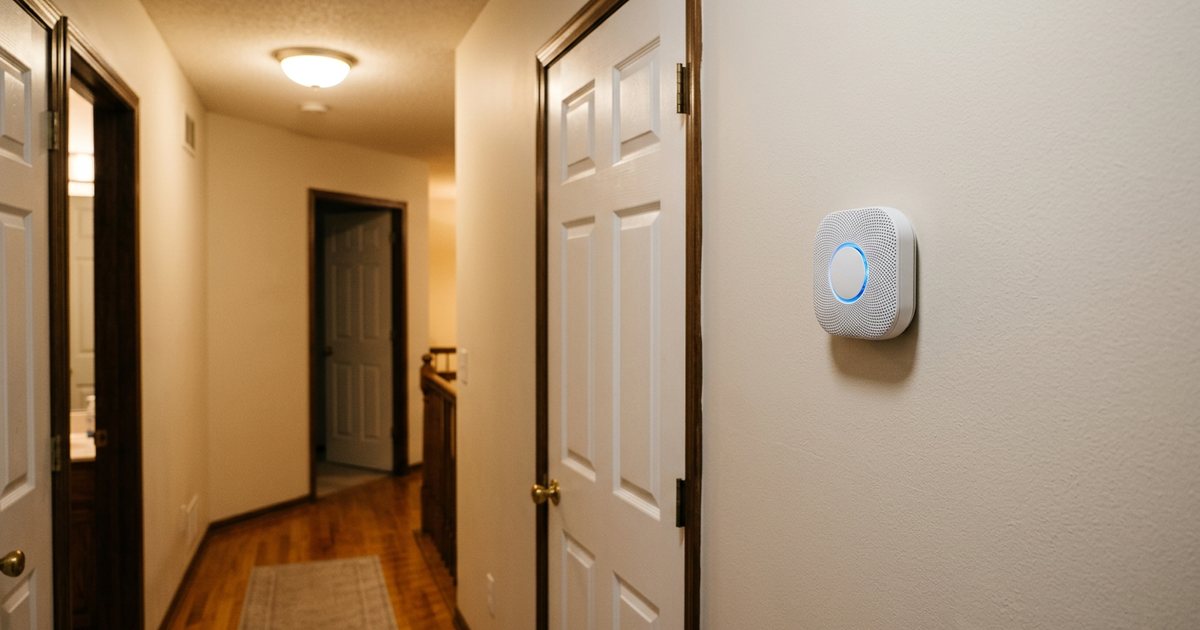
Several states and municipalities attach CO alarm requirements specifically to the sale or transfer of a property[1], and some require written certification that compliant alarms are installed before the sale can close. Where those rules exist they are not optional and not negotiable, and discovering them late is the usual way a small item becomes a closing delay.
Rules vary by jurisdiction and change, so confirm your own state and city requirements with your agent or local building department rather than relying on general guidance. The check costs nothing and it is the highest value ten minutes in this entire topic for a seller.
What to Do Before You List
Work the list in this order, because it front-loads the items that generate inspection findings.
- Confirm alarm placement matches local requirements, generally outside each sleeping area and on every level including the basement.
- Check the manufacture date on every unit and replace anything at or near end of sensor life. Buyers notice date stickers, and an in-date unit reads as a maintained home.
- Have combustion appliances serviced and keep the invoice. A documented service history is worth more at the negotiating table than the service itself cost.
- Assemble the paperwork in one place: service records, alarm purchase dates and any required compliance certification.
The goal is not to add a line to the listing. It is to remove the CO section of the inspection report as a source of leverage, which is a small and cheap piece of work with an outsized effect on how the last week of a transaction goes.
FAQ
Will adding CO detectors meaningfully increase my home’s sale price?
Not dramatically — it’s an inexpensive, baseline expectation rather than a major value driver, but its absence can raise buyer concern during a sale.
Should I upgrade to premium or smart alarms before selling?
There is no evidence that buyers pay more for them, and an inspector records both as compliant. Spend on correct placement and in-date units instead. If you already own smart alarms, consider whether they transfer cleanly to the buyer or whether they are tied to an account you will be closing.
Can a buyer walk away over a CO finding?
It is rarely the reason a deal collapses on its own, because the fix is inexpensive. What it does do is give the buyer a documented safety item, and safety items tend to get bundled into a larger concession request alongside whatever else the report found.
Does a documented service history actually help?
It helps more than the equipment does. Records showing annual combustion appliance servicing signal a maintained home, which shifts how a buyer reads every other ambiguous finding in the report. It costs nothing to keep the invoices.
What if I am selling a home with no CO alarms at all?
Install compliant alarms before the inspection rather than after. Doing it in response to a finding costs the same in hardware, but it arrives as a concession negotiation instead of as a completed item, and in jurisdictions with point-of-sale rules it can hold up the closing.
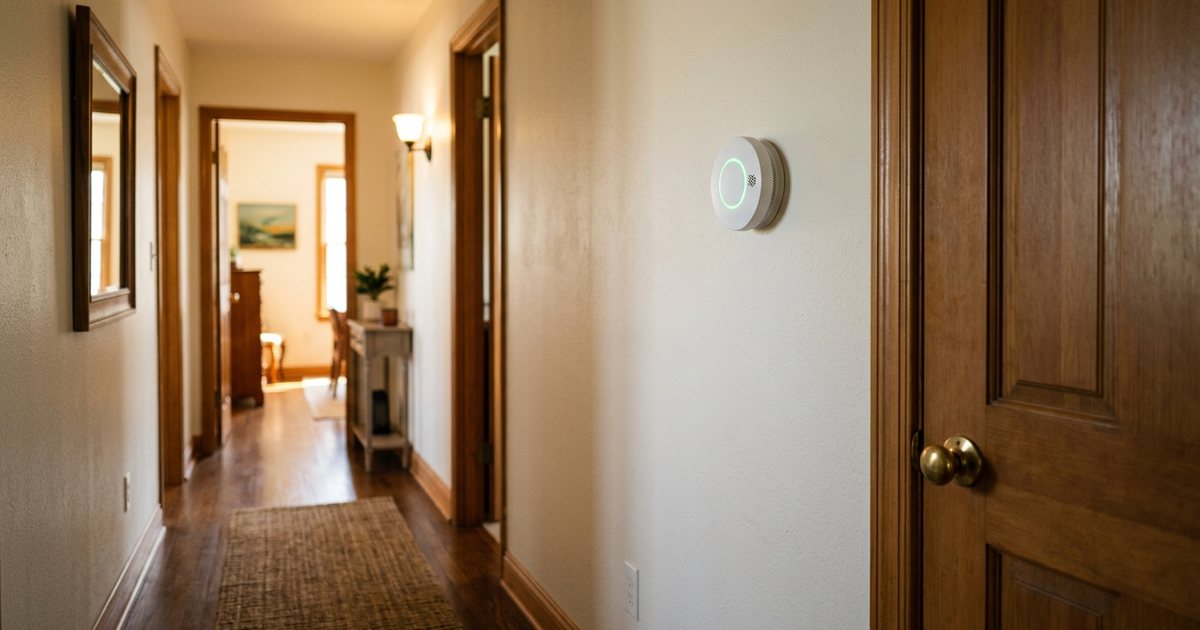
Confirm your state’s specific disclosure requirements around CO detector compliance during a home sale.
References
- National Conference of State Legislatures. Carbon Monoxide Detector Installation Statutes. NCSL
These statements have not been evaluated by the Food and Drug Administration. This information is not intended to diagnose, treat, cure, or prevent any disease. Content is for informational purposes only and is not medical advice; consult a qualified healthcare provider before starting any supplement. As an Amazon Associate we earn from qualifying purchases.
