DIY CO prevention costs are modest and concentrated in detector purchase, given the limited scope of what’s safely DIY-able for this hazard.
- Detector costs for a typical home run $60-$150 total depending on coverage needs.
- Ongoing annual battery replacement costs roughly $10-$20 per year.
- Professional assessment and repair costs are separate, non-DIY line items.
- DIY costs are modest since the safely DIY-able scope for this hazard is limited to detection, not remediation.
DIY carbon monoxide prevention is unusual among home hazards in that the do-it-yourself version is not a compromise. Installing a certified alarm is mounting a device on a wall, and it performs identically whether you or an electrician put it there. That is not true of radon mitigation or asbestos work, where the professional version is genuinely different.
What follows is a realistic budget, including the parts people forget, and an honest boundary around the one piece that is not a DIY job.
Detector Costs
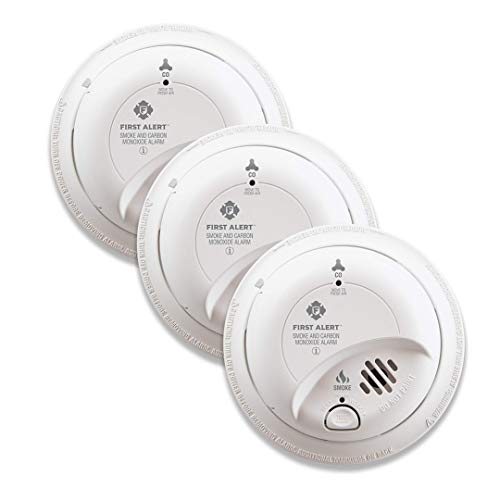
Basic detectors run $15-$40 each; outfitting a typical home with detectors on every level plus near sleeping areas might total $60-$150 depending on home size.
Ongoing Maintenance Costs
Annual battery replacement across multiple detectors runs roughly $10-$20 per year — a modest ongoing cost relative to the safety value provided.

What’s Excluded From DIY Cost
Professional combustion appliance assessment and any actual appliance repair are excluded from DIY cost since this work isn’t safely DIY-able — budget for these as separate professional service costs.
A Realistic First-Year Budget by Home Type
Alarm count is set by layout, not by budget. General guidance places an alarm outside each separate sleeping area and on every level of the home including the basement, so start by counting those positions [1].
- Apartment or single-level home, one sleeping area: typically 1 to 2 units.
- Two-story home, bedrooms upstairs: typically 3 units, one per level plus the sleeping-area position.
- Two-story with a finished basement and split bedrooms: typically 4 to 5 units.
Multiply that count by your chosen unit price, add a small consumables line for batteries if the units are not sealed, and you have the hardware side. For most homes the entire hardware budget lands well inside the cost of a single service call, which is why the professional versus DIY question resolves so cleanly on this hazard.
Where DIY Budgets Usually Go Wrong
Four omissions account for most of the gap between a planned and an actual CO budget.
- Counting units instead of positions. People buy a two-pack for a home that needs four positions, and the basement and the far bedroom go uncovered.
- Ignoring sensor service life. Alarms are consumables on a five to ten year clock, so the real figure is a decade of ownership, not a one-time purchase.
- Buying old stock. Service life runs from manufacture, so a unit that sat in a warehouse for two years arrives with two years already spent. Check the date stamp on the back.
- Assuming a hardwired requirement is a DIY job. If local code requires hardwired interconnected units and the wiring does not exist, that is an electrician, and it is the one line that can dominate the whole budget.
The Ten-Year Cost of Ownership
Because alarms expire, the honest planning horizon is a decade rather than a purchase. Over ten years a household replaces every sealed unit once, or every five-year unit twice while also buying roughly ten batteries per replaceable-battery device. Adding one annual combustion appliance check on top of that produces a figure that is still modest in absolute terms and is the number worth comparing against any alternative.
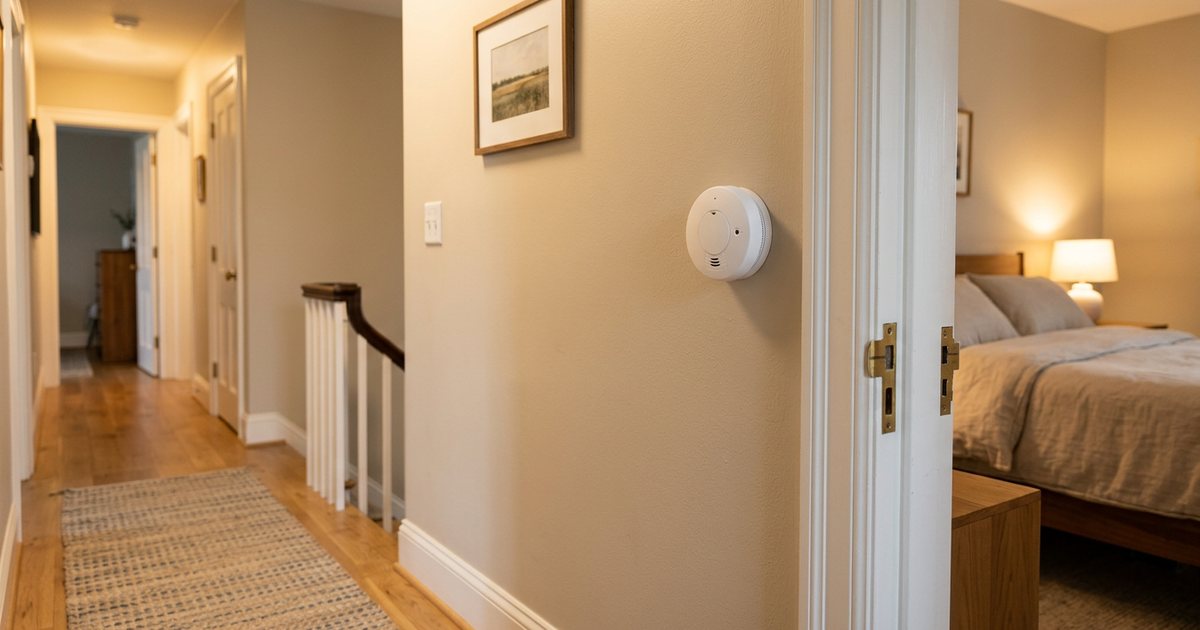
Two habits reduce that total more than any purchasing decision. Buy sealed ten-year units where the mounting position is awkward, since the labor you are avoiding is your own attention over a decade. And write the replacement year on the unit in marker at install time, because the failure mode this prevents, a chirping alarm that gets silenced rather than replaced, costs nothing to avoid and everything to experience.
FAQ
Is DIY CO prevention actually cheaper than hiring a pro for everything?
For the detector-based prevention layer, yes — it’s inexpensive. But actual leak diagnosis and appliance repair require professional service regardless, so DIY doesn’t replace that cost.
Do I need an electrician to install CO alarms?
Not for battery or plug-in units, which mount with two screws and need no wiring. You need one only where local code requires hardwired interconnected alarms and the wiring is not already present, which is most common in new construction and in some point-of-sale requirements.
Is a professional-installed alarm more reliable than one I mount myself?
No. A certified alarm meets the same response requirements regardless of who mounted it. The two things that genuinely affect reliability are placement and keeping the unit in date, and both are fully within DIY control.
How much should I budget annually after the first year?
For sealed units, close to nothing until the replacement year arrives, so the honest approach is to set aside a small annual amount against a known future replacement. For replaceable-battery units, add the battery cost per device per year. The appliance assessment, if you book one separately, is the larger recurring line.
What part of CO prevention is genuinely not a DIY job?
Testing combustion appliances. Verifying draft, checking a heat exchanger for cracks and measuring flue gases requires a combustion analyzer and the training to interpret it. Buying alarms is DIY. Diagnosing why an appliance is producing CO is not, and that boundary is worth respecting.
Never attempt to DIY actual appliance repair or combustion troubleshooting — this requires professional service regardless of cost.
References
- Carbon Monoxide Alarms: Protect Your Family and Yourself (infographic text). U.S. Environmental Protection Agency
These statements have not been evaluated by the Food and Drug Administration. This information is not intended to diagnose, treat, cure, or prevent any disease. Content is for informational purposes only and is not medical advice; consult a qualified healthcare provider before starting any supplement. As an Amazon Associate we earn from qualifying purchases.
