If you just bought your first home, CO safety is a genuinely important, actionable item to establish early given the acute risk stakes.
- Install UL 2034-listed detectors on every level and near sleeping areas.
- Schedule combustion appliance maintenance, especially without documentation of recent service.
- Establish an emergency response plan (evacuate, call from outside) with your household in advance.
- This is one of the more genuinely urgent, actionable safety items for a new homeowner given CO’s acute risk profile.
Step 1: Install Detectors Per Current Guidance
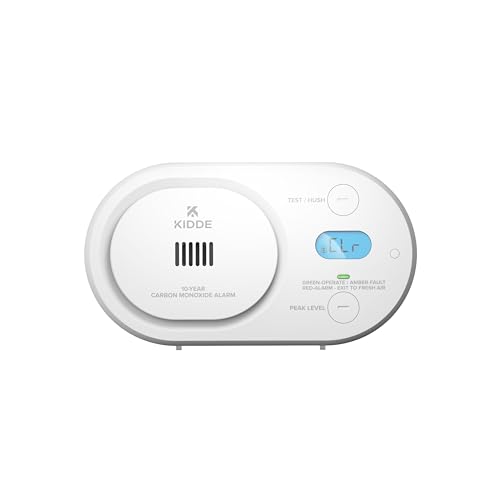
Install UL 2034-listed CO detectors on every level of your home and near sleeping areas specifically, following manufacturer placement instructions.
Step 2: Schedule Combustion Appliance Maintenance
Schedule professional maintenance for your furnace, water heater, and any other fuel-burning appliances, particularly if you don’t have documentation of recent service from the previous owner.

Step 3: Know Your Emergency Response Plan
Understand that a triggered CO alarm means immediate evacuation and calling emergency services from outside the home — establish this response plan with your household now, before an actual emergency.
Step 4: Start the Written Record on Day One
The habit that pays off most over the first years of ownership is unglamorous: write things down as they happen. Record the date each detector was installed, its model and its manufacturer end-of-life date, and keep the receipts and service reports for the furnace, water heater and any other fuel-burning appliance. None of this is difficult on the day; all of it is difficult to reconstruct later.
That record does real work in three separate situations. It tells you when replacement is genuinely due rather than guessed at, it gives a contractor real history to diagnose against instead of starting cold, and it is the evidence that maintenance was performed if an insurance question ever arises. A folder or a phone note is enough. The point is that it exists and that it is kept up as things are done, not assembled in a hurry when it is needed.
Step 5: Brief Everyone Who Lives in the House
A detector protects the household rather than the building, so the response plan has to live in more than one head. Make sure everyone who sleeps there knows what the carbon monoxide alarm sounds like and that it is a different pattern from the smoke alarm, since the two calls for action are not identical. Anyone old enough to be alone in the house should know the plan.
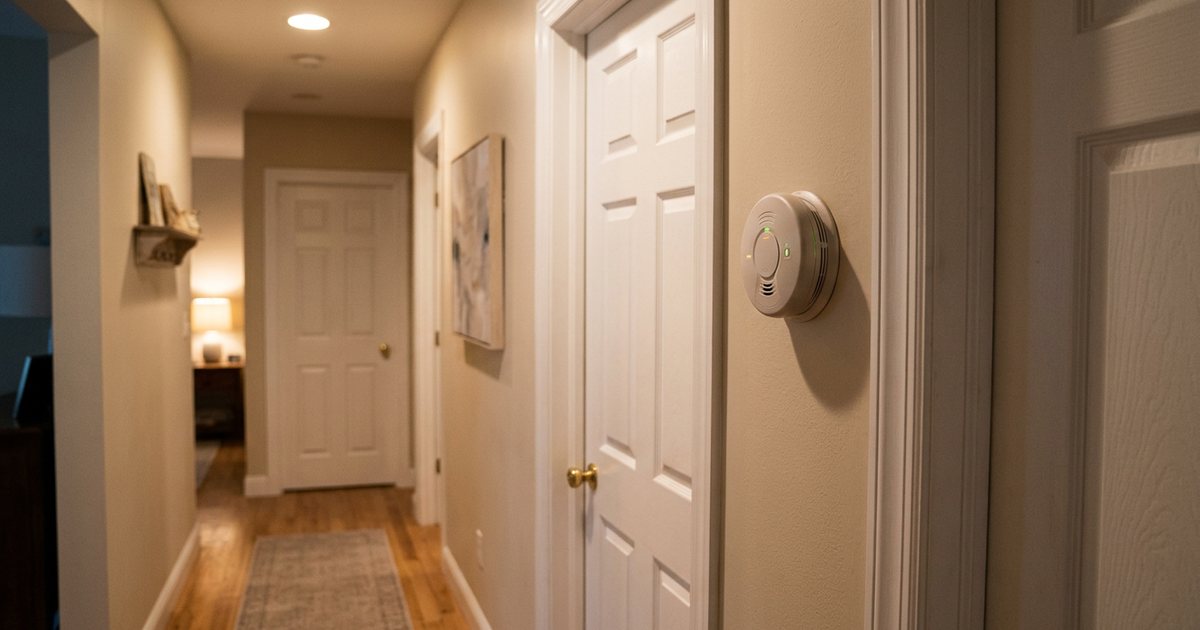
The single most important point to make explicit is that a sounding alarm means leaving the building and calling emergency services from outside, not silencing the unit and going back to bed. That instinct to hush an alarm at night is common and it is the one worth talking about in advance. If you host guests, take in a lodger or rent out a room, brief them the same way and check your local requirements, which can differ once someone is renting.
FAQ
What’s the single most important first step for CO safety in a new home?
Install UL 2034-listed detectors on every level and near sleeping areas immediately — this is the foundational safety measure regardless of other steps.
The previous owner left detectors. Can I just keep them?
Check each unit for a manufacture or end-of-life date before relying on it. These are sensor devices with a limited service life, and a unit of unknown age is worth replacing rather than trusting. Test whatever you keep as soon as you move in.
Should I test the detectors on move-in day?
Yes, and it is a good anchor for the habit. Testing on day one confirms the units respond and gives you a known starting date to record, which is the beginning of the written history described above.
Does renting out a room change anything?
It can. Requirements for detector provision and placement often differ once a property is let, and they vary by location, so check your local rules rather than assuming the owner-occupier position carries over. Brief anyone living there on the response plan regardless.
Establish your emergency response plan now, before an actual alarm event, given how quickly CO poisoning can develop.
These statements have not been evaluated by the Food and Drug Administration. This information is not intended to diagnose, treat, cure, or prevent any disease. Content is for informational purposes only and is not medical advice; consult a qualified healthcare provider before starting any supplement. As an Amazon Associate we earn from qualifying purchases.
