CO detector testing follows a more frequent, ongoing schedule than many hazards given the acute risk this device is meant to catch.
- Test detector function monthly using the built-in test button.
- Replace batteries at least annually regardless of low-battery warnings.
- Replace the entire unit at its specified end-of-life (typically 5-10 years), not just the battery.
- This is a more frequent, ongoing schedule than many hazards given the acute risk profile.
Monthly Function Testing
Test detector function monthly using the built-in test button, confirming the alarm sounds and the unit is responsive — this is a quick, essential habit given how critical proper function is for this specific device.
Battery Replacement Schedule
For battery-powered or battery-backup units, replace batteries at least annually (many people tie this to a specific memorable date, like a daylight saving time change) regardless of whether a low-battery warning has sounded yet.

Full Unit Replacement
CO detectors have a limited sensor lifespan (typically 5-10 years depending on model) — replace the entire unit per the manufacturer’s specified end-of-life date, not just the battery, since sensor accuracy degrades over time.

Testing the Alarm Is Not the Same as Testing the Sensor
This distinction is the reason the replacement schedule exists, and it is widely misunderstood. On most units the test button verifies the alarm circuit: that the unit has power, that the electronics respond and that the sounder works. What it generally does not do is confirm that the sensor still detects carbon monoxide accurately, because that is a chemical sensing element rather than a circuit.
So a unit can pass its monthly button test every time and still be past the point where its detection can be relied on. That is what the manufacturer’s end-of-life date is for, and why replacement is scheduled by date rather than by whether the unit still beeps when pressed. Check your model’s manual for what its test function actually covers, since this varies between products and some offer additional self-checks.
When to Test Outside the Monthly Schedule
A few events are worth an extra test regardless of where you are in the month. Test after any work on a furnace, water heater or other fuel-burning appliance, and after any work that alters venting or ductwork. Test after a power outage or electrical work if your units are hardwired, since that is when a unit can be left without power or without its backup.
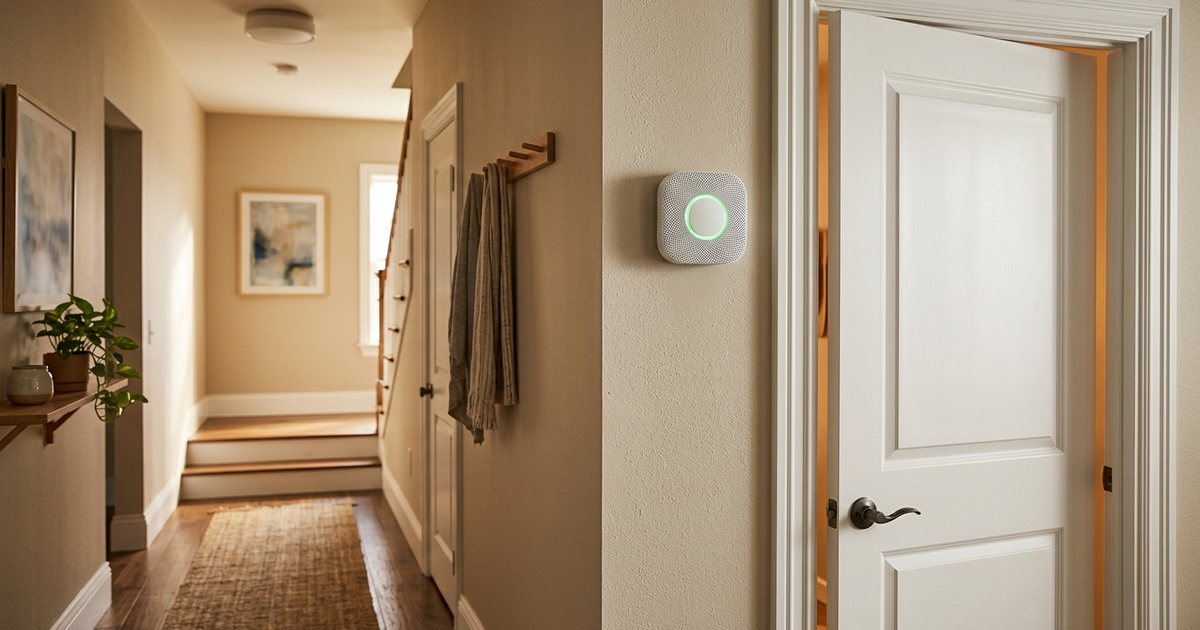
Test after returning from an extended absence, and after moving a unit to a new position or into a new home. Test again after any real alarm event once the situation has been resolved by the appropriate professionals and you have been told it is safe to return. In each case the reason is the same: something has changed in the conditions the unit was last known to be working under.
FAQ
Is testing the alarm button enough, or do I need separate battery checks?
Both matter — the test button confirms alarm function, while separate battery replacement (at least annually) and full unit replacement (per end-of-life date) address different maintenance needs.
Does the test button confirm the sensor is still working?
Usually not. On most units it verifies power, electronics and the sounder rather than the sensing element itself. That is why units are replaced on the manufacturer’s end-of-life schedule rather than kept as long as the button test passes. Check your model’s manual for specifics.
What does it mean if a unit chirps intermittently?
An intermittent chirp is a status signal rather than an alarm, and the two most common causes are a low battery and an end-of-life indication. They use different patterns, and the manual for your model identifies which is which. A full alarm is a continuous, unmistakable pattern and calls for the evacuation response.
Should I test after a contractor works on the furnace?
Yes. Any work on a fuel-burning appliance or its venting is a good prompt for an extra test, independent of the monthly schedule.
Follow your specific detector manufacturer’s exact testing and replacement schedule, which may differ from these general estimates.
These statements have not been evaluated by the Food and Drug Administration. This information is not intended to diagnose, treat, cure, or prevent any disease. Content is for informational purposes only and is not medical advice; consult a qualified healthcare provider before starting any supplement. As an Amazon Associate we earn from qualifying purchases.
