Homeowners insurance coverage for CO-related costs depends heavily on the specific circumstances and policy language involved.
- Routine detector purchase and assessment costs are standard maintenance, not typically insurance-covered.
- Sudden, accidental appliance failure causing damage or incident may be covered depending on circumstances.
- Review your specific policy language for exact coverage terms.
- Don’t expect insurance to cover routine prevention costs — budget for these directly.
What’s Typically Not Covered
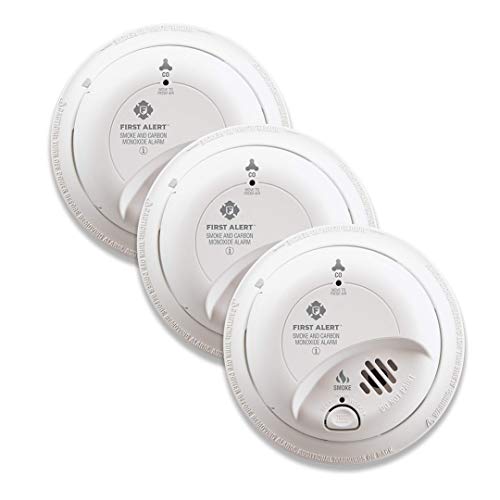
Routine detector purchase and professional assessment costs are standard maintenance items, not typically covered by homeowners insurance, similar to other routine home maintenance expenses.
The gap that surprises most homeowners is that a standard policy is built around sudden, accidental physical damage to the property. Carbon monoxide, in most incidents, damages nobody’s property. It harms the people inside while leaving the house structurally untouched, which means the loss does not fit the shape the policy was written to pay for.
The related gap is maintenance. An appliance that failed because it was never serviced is generally treated as wear and neglect rather than as a sudden accident, and that distinction is doing most of the work when a claim is denied.
What May Be Covered
Sudden, accidental appliance failure causing property damage or a CO incident may be covered under standard policies, depending on specific circumstances and policy language.
Where coverage does tend to appear is on the edges of the event rather than at its centre. If a cracked heat exchanger or a backdrafting appliance caused an actual fire, smoke or water loss, that damage is a conventional property claim. Liability coverage is a separate matter and can come into play if a guest or a tenant is harmed, which is a different section of the policy from the dwelling coverage most people are picturing.
Additional living expenses can also apply if the home is genuinely uninhabitable while a source is repaired, though a short evacuation while a furnace is swapped will rarely meet that bar.
Reviewing Your Specific Policy
Review your specific policy language or contact your insurer directly to understand what circumstances would and wouldn’t be covered for your particular situation.

What to Ask Your Insurer Before Anything Happens
This is a question worth resolving at renewal rather than during an incident. Ask your insurer three specific things and get the answers in writing. First, whether the policy contains any pollution or contaminant exclusion, and whether combustion gases fall inside it. Second, whether the liability section would respond if a guest or tenant were harmed by CO in your home. Third, what documentation of appliance servicing the insurer would expect to see if a claim were ever filed.
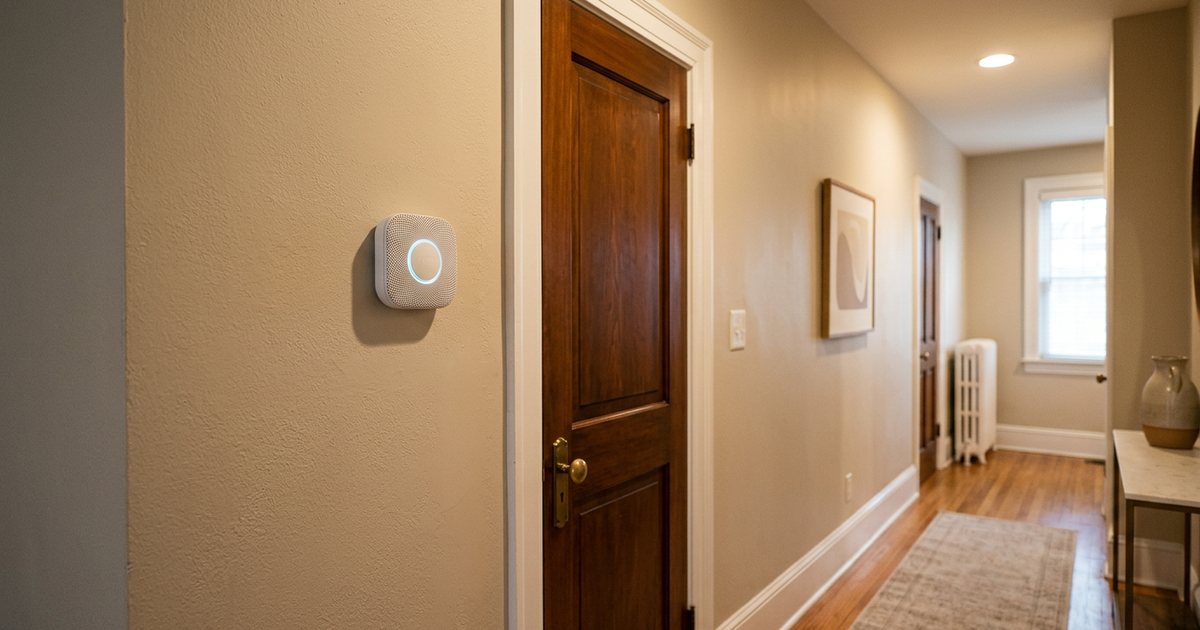
That third answer is the one that changes behaviour. If the insurer expects service records, then keeping dated invoices for every furnace and water heater visit is not administrative tidiness, it is the evidence that separates a covered sudden failure from an excluded maintenance issue. Keep them somewhere that survives the incident itself, which in practice means not only in a folder in the basement next to the appliance.
FAQ
Will my insurance pay for my CO detectors?
No — this is a routine maintenance cost not typically covered by homeowners insurance, similar to other standard home maintenance expenses.
Is a CO incident treated the same as a fire claim?
Generally no. A fire causes physical damage to the structure, which is exactly what dwelling coverage is designed for. A CO release usually leaves the building intact, so unless it caused a separate fire, smoke or water loss, there is often no property damage for the policy to respond to.
Would a home warranty cover the appliance that caused it?
A home warranty is a separate product from homeowners insurance and is often the more relevant one for a failed furnace or water heater, since it is aimed at appliance breakdown rather than at sudden accidental property damage. Check its own maintenance requirements, which are typically strict.
Don’t delay routine detector purchase or maintenance expecting insurance coverage — budget for these directly.
These statements have not been evaluated by the Food and Drug Administration. This information is not intended to diagnose, treat, cure, or prevent any disease. Content is for informational purposes only and is not medical advice; consult a qualified healthcare provider before starting any supplement. As an Amazon Associate we earn from qualifying purchases.
