CO detector presence has meaningful real estate and insurance relevance given its acute safety profile and codified state requirements.
- Many states require CO detector installation as a condition of sale for homes with fuel-burning appliances.
- This is more codified in real estate transactions than for some other home hazards.
- CO-related injury liability is a documented consideration for landlords specifically.
- Buyers should confirm functioning, properly placed detectors before closing.
Real Estate Disclosure and Detector Requirements
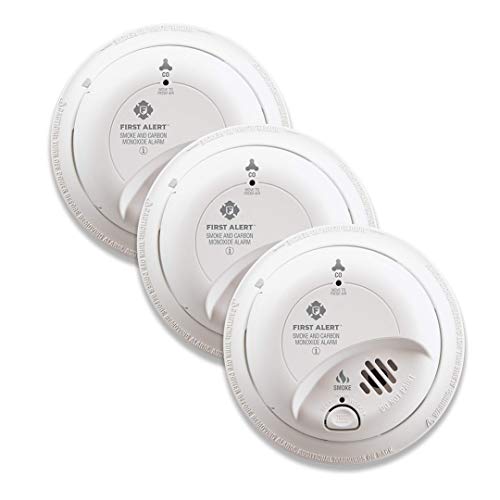
Many states require CO detector installation as a condition of sale or occupancy for homes with fuel-burning appliances, making this more codified in real estate transactions than for some other home hazards.
Detector requirements at the point of sale are set locally rather than nationally, and they vary more than most sellers expect. Some jurisdictions require working CO alarms as a condition of transfer or of the certificate of occupancy, some require them only in homes with fuel-burning appliances or an attached garage, and some place the obligation on the buyer after closing. The practical move is to ask the closing attorney or agent which rule applies in that specific municipality rather than assuming the state rule is the whole story.
Disclosure is a separate obligation from installation. Known defects generally have to be disclosed even where no detector mandate exists, and a previous CO incident or a red-tagged appliance is the kind of thing that is materially harder to defend having omitted than having declared.
Insurance Considerations
Some homeowners insurance policies may have specific requirements or considerations related to functioning CO detectors, and CO-related injury liability is a real consideration for landlords specifically given documented case law in this area.
Insurers price on the property, not on the transaction, so a CO history rarely shows up as a premium line item the way a claims history does. What it can affect is the underwriting conversation about appliance age and condition, which is the same conversation that drives whether an older furnace or water heater is acceptable to the carrier at all.
What Buyers and Sellers Should Know
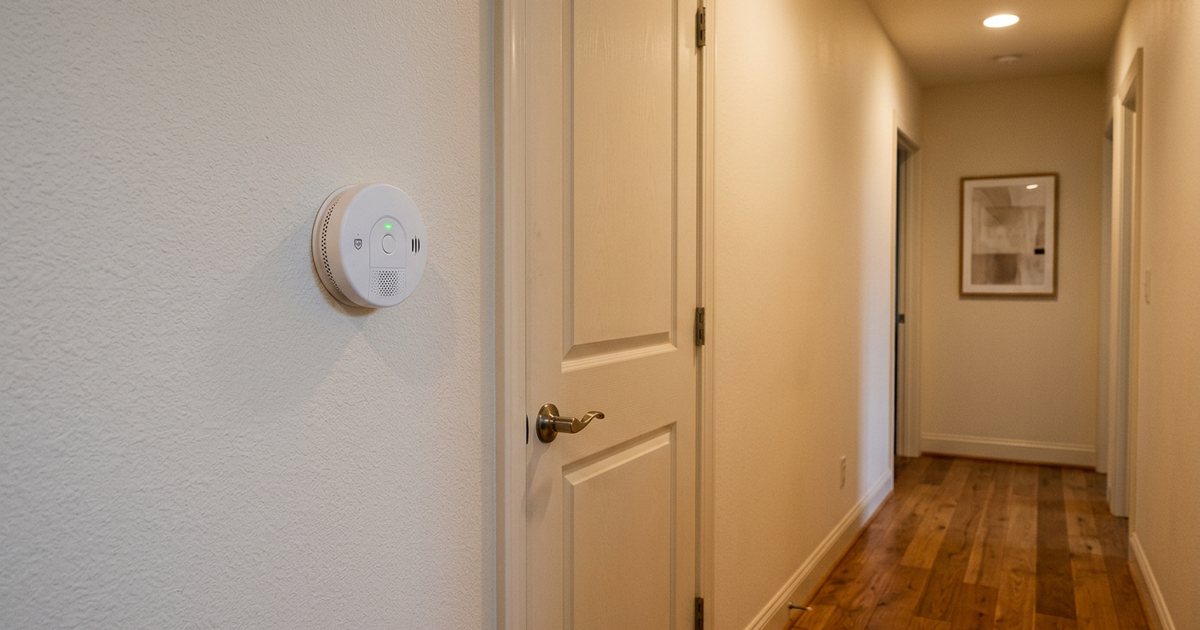
Buyers should confirm functioning CO detectors are present and properly placed before closing; sellers should ensure compliance with any state-specific detector requirements before listing.

Using the Inspection Period Properly
The inspection window is the strongest position a buyer holds on this issue, and it is routinely underused. A standard home inspection is visual and generalist. It will note an appliance’s age and obvious defects, but a combustion safety evaluation, which is what actually detects a cracked heat exchanger or a backdrafting flue, is usually a separate specialist visit that the buyer has to ask for and pay for.
On any home with a gas furnace, a gas or oil water heater, a fireplace, or an attached garage, that specialist evaluation is worth commissioning inside the inspection period. If it finds a problem, the cost is a negotiable item while the contract is still contingent. Once the sale closes, the same finding becomes the buyer’s unbudgeted repair. Sellers have a mirror-image interest in knowing first, because a defect found by the buyer’s inspector is negotiated at the buyer’s estimate of the cost.
FAQ
Is CO detector installation required to sell a home?
In many states, yes, particularly for homes with fuel-burning appliances — check your specific state’s requirements before listing or closing.
Does a past CO incident have to be disclosed when selling?
In most jurisdictions a known material defect must be disclosed, and a documented CO incident or a red-tagged appliance generally qualifies, particularly if the underlying cause was not fully repaired. Disclosure rules are state-specific, so confirm the standard that applies with the closing attorney.
Who is responsible for detectors in a rental during a sale?
Landlord obligations and seller obligations are separate rules and can both apply to the same property. A tenanted home being sold may carry a landlord detector duty during the tenancy and a separate transfer requirement at closing. Check both rather than assuming one satisfies the other.
Requirements vary by state — confirm specifics with your real estate agent or state fire marshal’s office.
These statements have not been evaluated by the Food and Drug Administration. This information is not intended to diagnose, treat, cure, or prevent any disease. Content is for informational purposes only and is not medical advice; consult a qualified healthcare provider before starting any supplement. As an Amazon Associate we earn from qualifying purchases.
