An itemized breakdown helps you budget accurately for comprehensive whole-home CO safety.
- Initial detector costs for a typical home: $60-$300+ depending on quantity and tier.
- Ongoing annual maintenance (batteries): roughly $10-$20 per year.
- Professional assessment: $100-$250 annually, often bundled with furnace maintenance.
- Total first-year cost for a typical home: roughly $150-$500 depending on choices made.
Detector Costs
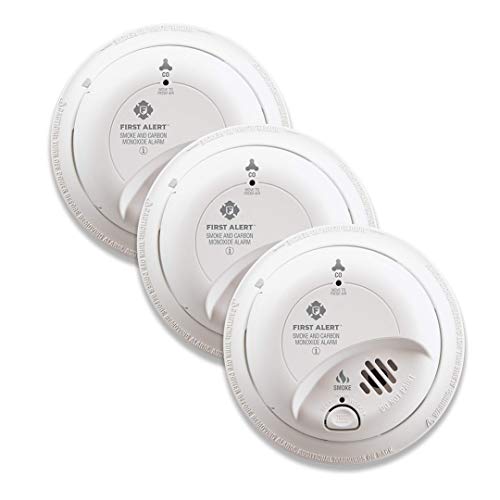
Basic detectors: $15-$40 each; smart/premium models: $30-$90+ each. A typical multi-level home might need 3-5 units.
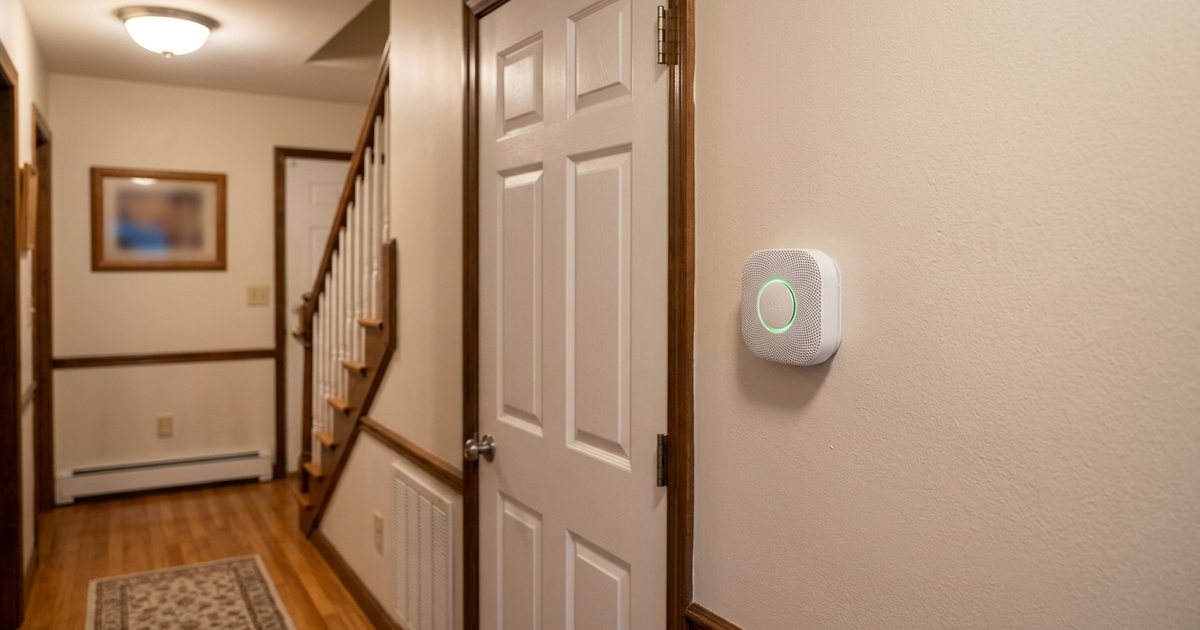
Quantity drives this number far more than tier does. Guidance is per level and near sleeping areas, so a three-storey house with bedrooms on two floors needs more units than a single-level home regardless of which model is chosen. Working out the unit count first, then picking a tier, produces a realistic budget. Doing it the other way round produces a number based on one detector and a surprise at the till.
Ongoing Maintenance Costs
Annual battery replacement across multiple units: roughly $10-$20 per year total. Detector replacement (every 5-10 years): the same per-unit cost as initial purchase.

Battery format changes the shape of this line. Replaceable-battery units cost less up front and carry a small recurring cost and a recurring task. Sealed ten-year units cost more at purchase and have no battery line at all until the unit itself is retired. Over a full replacement cycle the two are closer than the shelf price suggests, and the sealed unit removes the failure mode where a chirping alarm gets its battery pulled and never replaced.
Professional Assessment Costs
Annual professional combustion appliance assessment: $100-$250, often bundled with routine furnace maintenance service.
The Costs This Breakdown Does Not Include
An itemised budget is only honest if it names what sits outside it. Three costs regularly land on households that budgeted only for detectors and servicing. The first is the repair itself: if an assessment finds a cracked heat exchanger or a failed flue, that is an appliance repair or replacement, and it is an order of magnitude above the detection budget on this page.
The second is access. Work in a tight crawlspace, a finished ceiling, or a roof-level flue termination costs more in labour than the same job in an open basement, and the quote reflects the building rather than the part. The third is permits and post-repair verification where the local authority requires them. None of these are hidden in any dishonest sense, but they are absent from a detector-and-batteries budget, and they are the reason a first-year figure and a bad-year figure look nothing alike.
FAQ
What’s a realistic total first-year budget for CO safety?
Roughly $150-$500 for a typical home, covering detector purchase, batteries, and professional assessment — the range depends on detector tier and quantity needed.
Is it cheaper to buy detectors in a multi-pack?
Usually yes on a per-unit basis, and a multi-pack also solves the coverage problem that single-unit buyers tend to have, since guidance is per level and near sleeping areas. Check that the pack is the type you actually want, because hardwired interconnected units and standalone battery units are not interchangeable.
Does bundling the assessment with furnace servicing save money?
Typically yes, because the technician is already on site and the combustion check overlaps with routine maintenance. Ask explicitly whether the combustion safety evaluation is included in the quoted service or is a separate line, since the phrase furnace tune-up covers very different scopes between companies.
Adjust this itemized breakdown for your specific home’s detector quantity needs and chosen tier.
These statements have not been evaluated by the Food and Drug Administration. This information is not intended to diagnose, treat, cure, or prevent any disease. Content is for informational purposes only and is not medical advice; consult a qualified healthcare provider before starting any supplement. As an Amazon Associate we earn from qualifying purchases.