Carbon monoxide is one of the more urgently dangerous home hazards covered on this site, and a few persistent myths can lead to genuinely risky assumptions.
- CO comes from many indoor combustion sources, not just vehicles.
- A single detector may not adequately cover a large or multi-level home.
- CO has no smell, color, or taste — detectors are the only reliable detection method.
- Understanding actual CO behavior, not assumptions, guides proper detector placement and prevention.
Myth: CO Only Comes From Running Cars
While vehicle exhaust is a well-known source, CO also comes from malfunctioning or improperly vented gas furnaces, water heaters, stoves, fireplaces, and portable generators. The EPA lists unvented space heaters, leaking chimneys and furnaces, back-drafting from furnaces, gas water heaters, wood stoves and fireplaces, gas stoves, generators, and exhaust from attached garages among the sources of CO indoors [1].
Myth: One Detector Covers a Whole House
CO detectors have a limited effective range and are recommended on every level of a home and near sleeping areas specifically — a single detector, especially in a large or multi-level home, may not provide adequate warning throughout the whole space. The U.S. Consumer Product Safety Commission recommends alarms on every level of the home and outside sleeping areas, and notes that interconnected alarms, which all sound when one does, are best [2].

Myth: You Can Tell If CO Is Present by Smell
CO is completely odorless, colorless, and tasteless — this is precisely why detectors are essential, since there is no sensory cue that would ever warn you of its presence [3].
Myth: You Would Wake Up If It Got Bad
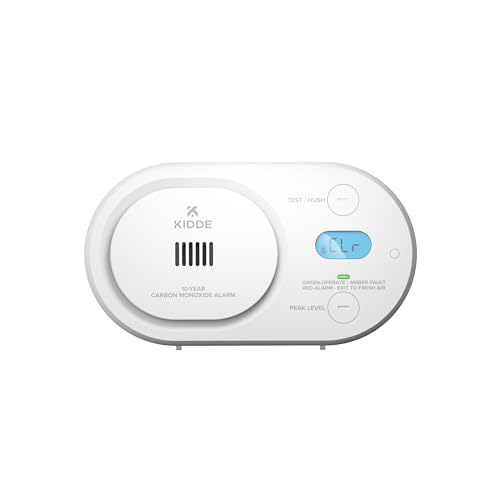
The belief that a sleeping person would be roused by a serious build-up is one of the more dangerous assumptions, because it reverses what actually happens. Early effects tend to include drowsiness and confusion, so the very symptoms that might otherwise prompt someone to act are the ones that make acting less likely. The CDC states plainly that people who are sleeping, drunk, or under the influence of other substances can die from CO poisoning, and that it can happen before any signs show up [3].
This is the reasoning behind the common guidance to place alarms near sleeping areas rather than only in a hallway or utility space. An alarm is designed to substitute for an alertness that may not be available, which is a different job from simply monitoring a room where an appliance happens to sit.
Myth: A Quiet Alarm Means the Air Is Clear
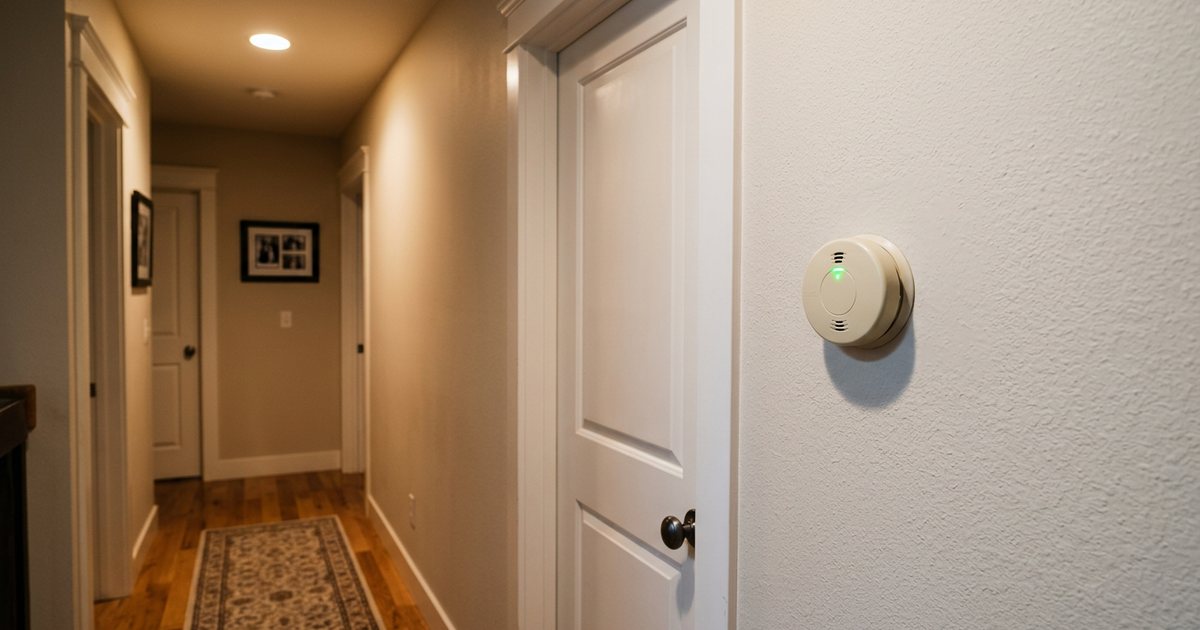
A silent alarm can mean the air is fine, but it can also mean the unit has reached the end of its service life, has been mounted where air does not readily reach it, or has lost power without anyone noticing. Silence on its own carries less information than it appears to.
Most units are built to signal these conditions, typically through a distinct fault or end-of-life chirp that sounds different from the alarm pattern. Treating every unfamiliar sound as a low battery, and silencing it on that assumption, is how a unit that was trying to report its own failure ends up ignored.
Myth: A Faint Smell Is the Warning Sign
Carbon monoxide itself has no odour, so any smell in the room is coming from something else. That something else can still be meaningful, because a combustion appliance that is venting poorly may also release other products with a noticeable odour, and those can accompany a problem worth investigating.
What the odour cannot do is tell you anything about how much carbon monoxide is present, or confirm its absence when nothing smells unusual. Using smell as a screening step is what turns an odourless hazard into an invisible one, which is why detection equipment is treated as the only reliable indicator.
Myth: Feeling Unwell at Home Is Just the Flu
CO poisoning is easy to misread because its symptoms overlap with ordinary illness. The CDC lists headache, dizziness, weakness, upset stomach, vomiting, chest pain, and confusion, and notes these are often described as flu-like [3]. The EPA adds a pattern worth noticing: symptoms that clear up after leaving the home [1]. If several people in the same household feel unwell at once and improve when they go outside, treat that as a reason to get everyone out and call for help rather than as a coincidence.
Everyone is at risk, but the CDC identifies infants, older adults, and people with chronic heart disease, anemia, or breathing problems as more likely to become ill [3].
Myth: An Open Garage Door Makes a Generator Safe
Ventilation feels like a reasonable safeguard, but the CPSC is unambiguous: never run a portable generator inside a home or garage, even with doors and windows open. Its guidance is to run generators outdoors only, at least 20 feet from the house, with the exhaust pointed away. It also notes that a single portable generator can produce as much CO as hundreds of cars [2], and that is the reason the rule has no exception for an open door.
FAQ
Can I rely on my sense of smell to detect a CO leak?
No — CO is completely odorless. Detectors are the only reliable way to know if CO is present at dangerous levels.
If my detector has never gone off, does that prove my appliances are safe?
Not by itself. It indicates that the unit has not measured an alarm condition where it is mounted and while it has been working, which is narrower than a clean bill of health for every appliance in the building.
Is a myth about carbon monoxide ever harmless?
Rarely, because most of them share the same shape: they offer a cheaper substitute for detection, such as a smell, a symptom or a sense of timing. Any belief that makes a detector feel optional is worth examining closely.
This article addresses common misconceptions and is not a substitute for proper detector installation per manufacturer guidelines.
References
- Carbon Monoxide's Impact on Indoor Air Quality. U.S. Environmental Protection Agency
- Carbon Monoxide Information Center. U.S. Consumer Product Safety Commission
- Carbon Monoxide Poisoning Basics. Centers for Disease Control and Prevention
These statements have not been evaluated by the Food and Drug Administration. This information is not intended to diagnose, treat, cure, or prevent any disease. Content is for informational purposes only and is not medical advice; consult a qualified healthcare provider before starting any supplement. As an Amazon Associate we earn from qualifying purchases.
