Neighborhood-level CO risk patterns relate more to typical building age and construction type than to geography itself.
- Neighborhood risk patterns relate to typical building age, not geography itself.
- Older housing stock concentrations correlate with more aging fuel-burning appliances.
- Multi-unit buildings introduce shared-wall and ventilation considerations distinct from single-family homes.
- Core prevention principles apply regardless of neighborhood or building type.
Older Neighborhood Housing Stock
Neighborhoods with predominantly older housing stock may have a higher concentration of aging fuel-burning appliances, an age-correlated risk factor rather than a location-specific one.
Neighbourhood is a proxy rather than a cause, and it is worth being precise about that. A street of houses built in the same decade tends to share appliance vintage, venting design and chimney construction, so the risk correlates across the area for a structural reason rather than because of anything about the location itself. A recently renovated house on that street carries the risk of its own appliances, not of its postcode.
That proxy is still useful. If neighbours are replacing original furnaces and relining chimneys, that is a reasonable prompt to have your own equipment assessed rather than to assume your house is the exception.
Shared-Wall and Multi-Unit Buildings
Multi-unit buildings (condos, apartments) with shared walls or ventilation systems introduce building-level risk considerations distinct from standalone single-family homes.

Shared-wall and multi-unit construction adds a genuinely different mechanism rather than a stronger version of the same one. Common flues, shared mechanical rooms, adjoining garages and pressure differences between units can move combustion gases between spaces that have separate owners and separate maintenance histories. Your own appliances being sound does not settle the question in that setting.
What This Means Practically
Regardless of neighborhood or building type, the same core prevention principles (detector maintenance, professional appliance assessment) apply — building age and type inform priority, not the fundamental approach.
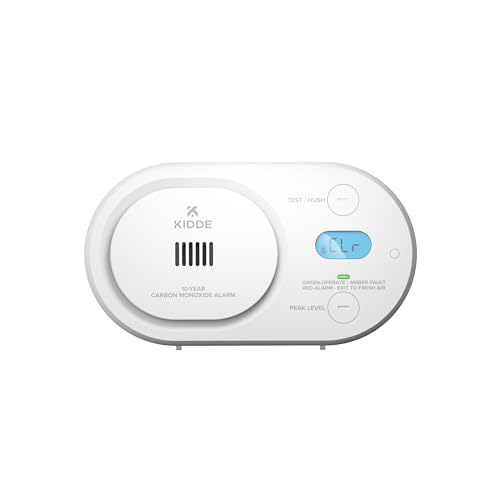
The Local Factors That Change the Picture More Than the Street Does
Three local conditions shift CO risk more sharply than housing age, and none of them respect neighbourhood boundaries. Climate is the largest: in regions with long heating seasons, appliances run for far more hours per year, and a marginal heat exchanger has more opportunity to matter. Altitude affects combustion efficiency, and appliances may require altitude-specific adjustment that a general installation will not include by default.

The third is grid reliability. Areas that lose power frequently to storms see far more portable generator and unvented heater use, and that behaviour, rather than the housing stock, is the dominant risk driver during an outage. If you live somewhere outages are routine, the highest-value preparation is not a survey of the neighbourhood, it is a plan for where the generator goes, which is always outside and well away from doors, windows and vents, and a detector with battery backup that will still be armed when the power is out.
FAQ
Is CO risk higher in older neighborhoods?
Indirectly, yes — older neighborhoods tend to have older housing stock with more aging appliances, though this is an age-correlated factor rather than something specific to the neighborhood itself.
Should I ask neighbours whether they have had CO problems?
It can be genuinely informative in a street of similar-age homes, since a neighbour who has found a cracked heat exchanger or a failed liner is describing equipment much like yours. Treat it as a prompt for your own assessment rather than as a verdict on your house.
Does living in a newer development mean lower risk?
It usually means the detectors were required at construction and the appliances are younger, which helps. It does not remove the risk, because CO comes from how appliances are running and venting now rather than from when the house was built, and an attached garage is an attached garage at any age.
Apply the same core prevention principles regardless of your specific neighborhood or building type.
These statements have not been evaluated by the Food and Drug Administration. This information is not intended to diagnose, treat, cure, or prevent any disease. Content is for informational purposes only and is not medical advice; consult a qualified healthcare provider before starting any supplement. As an Amazon Associate we earn from qualifying purchases.
