Treating CO prevention as a small, recurring line item in home maintenance budgeting ensures it doesn’t get overlooked.
- Budget roughly $10-$20 annually for battery replacement and $100-$250 for professional assessment.
- Plan for periodic detector replacement every 5-10 years as a larger, though still modest, line item.
- This is a small investment relative to the acute safety stakes involved.
- Treating this as a recurring budget line item helps ensure it doesn’t get overlooked.
Annual Budget Line Items
Budget roughly $10-$20 annually for detector battery replacement and $100-$250 for professional combustion appliance assessment (often bundled with furnace maintenance) as recurring home maintenance items.
Periodic Larger Costs
Plan for detector replacement every 5-10 years (per manufacturer end-of-life) as a periodic, larger (though still modest) line item beyond the annual recurring costs.

Why This Small Investment Matters
This modest recurring budget is small relative to the acute safety stakes involved, making it one of the more cost-effective line items in overall home maintenance planning.
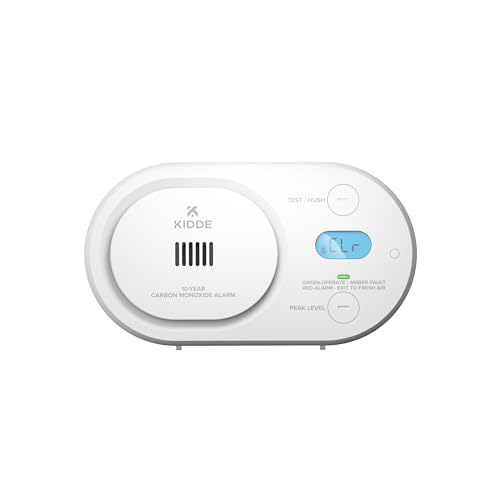
Treat It as a Recurring Line, Not an Occasional Purchase
The most common budgeting mistake with carbon monoxide safety is filing it as a one-off purchase made once and then forgotten. Detectors have a service life, batteries have a shorter one, and combustion appliances need periodic attention, so the real shape of the spending is a small recurring line rather than a single event.
Written down that way it competes for attention with the other recurring lines in a home maintenance budget, which is where it belongs. Written down as a purchase already made, it quietly disappears until something stops working, which is the point at which the cost is least convenient.
Staggering Replacements So They Do Not Arrive Together
Units bought at the same time tend to reach the end of their service life at the same time, which converts a modest recurring cost into an occasional lump that is easy to defer. Deferring it is the real risk, because the period of deferral is a period with reduced coverage.
Where you are adding coverage over time anyway, spreading purchases across different points in the year naturally staggers the replacements that follow. Where units are already synchronised, noting their dates somewhere durable at least means the expense is expected rather than discovered.
Where This Belongs in the Yearly Rhythm
Most households already have seasonal maintenance habits, and attaching detector checks and appliance servicing to one of them costs nothing extra in attention. Tying the task to something that already happens on a schedule is more reliable than relying on remembering it independently.
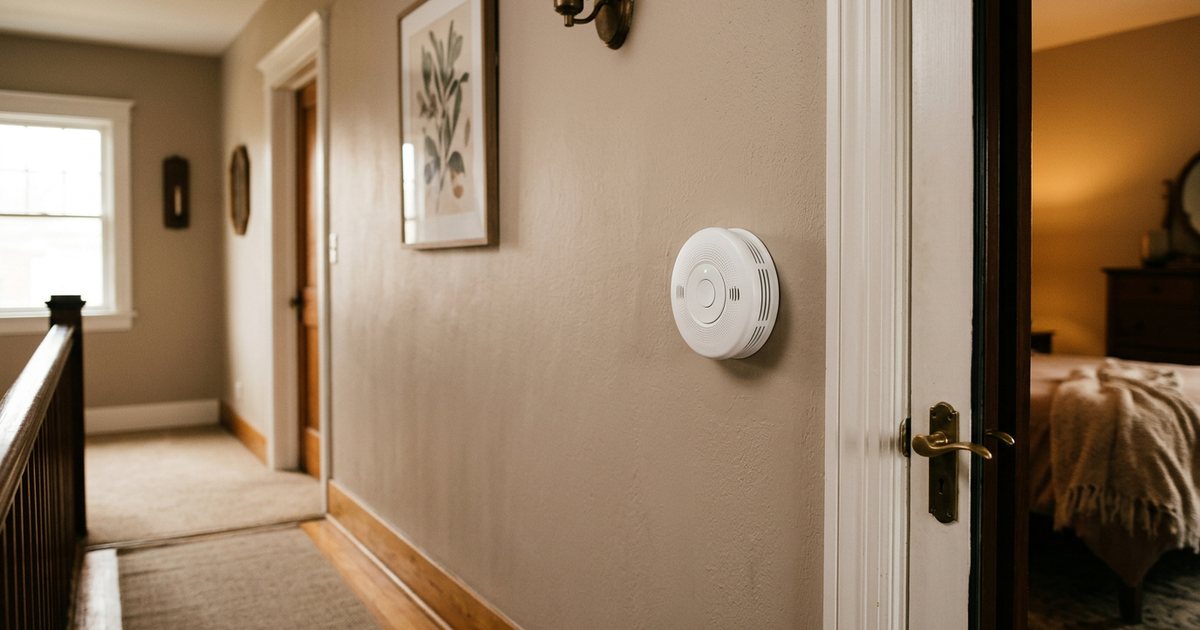
The budgeting equivalent is deciding in advance which month absorbs the servicing cost, rather than meeting it as a surprise during the season when heating equipment is working hardest and technicians are busiest. Planning the timing is often worth more than planning the amount.
FAQ
Is CO prevention really one of the cheaper home safety investments?
Yes, relative to the acute safety stakes involved — the annual recurring cost is modest compared to remediation costs for many other home hazards.
Is it worth budgeting for this separately from general home maintenance?
A separate line is mostly useful because it keeps the recurring nature visible. Folded into a general maintenance figure it tends to be the item that is quietly skipped when that figure is under pressure.
What is the most commonly forgotten cost?
Replacement of the units themselves. Batteries are remembered because they announce themselves, while a detector reaching the end of its service life is easier to overlook until it signals or is checked.
Don’t let a tight home maintenance budget cause you to skip this specific, low-cost, high-stakes item.
These statements have not been evaluated by the Food and Drug Administration. This information is not intended to diagnose, treat, cure, or prevent any disease. Content is for informational purposes only and is not medical advice; consult a qualified healthcare provider before starting any supplement. As an Amazon Associate we earn from qualifying purchases.
