Carbon monoxide (CO) is a colorless, odorless gas that can build up in any home with fuel‑burning appliances, making a reliable alarm a core part of household safety. The market offers many models, but not all meet the same performance benchmarks, so understanding the certification landscape helps you pick a device that will actually protect your family.
This guide walks through the major certification marks you’ll see on packaging, the performance criteria behind those marks, practical features that improve everyday usability, and how to verify a product’s credentials before you spend money. It also covers maintenance basics and when a licensed professional should be involved.
- Look for UL 2034, CSA 6.19, or EN 50291 marks that match your region’s code requirements.
- Understand the three alarm thresholds (70, 150, 400 ppm) and the required end‑of‑life signal.
- Choose a power source (battery, hardwired, plug‑in) that fits your home’s wiring and maintenance preferences.
- Consider added features — digital display, peak memory, interconnectivity, smart alerts — only if they are covered by the same certification.
- Verify certification via the certifier’s online directory using the file or model number before buying.
Major Certification Marks You’ll Encounter
In North America the most common marks are UL 2034 (Underwriters Laboratories) and CSA 6.19 (Canadian Standards Association). Both standards define minimum alarm thresholds, response times, and end‑of‑life signaling for residential CO alarms. In Europe the EN 50291 series serves a similar purpose, split into EN 50291‑1 for alarms in domestic premises and EN 50291‑2 for alarms fixed in caravans, motor caravans and boats. When you see any of these marks, the product has been tested by an independent laboratory to meet the baseline safety requirements for that region.
Some alarms carry multiple marks, indicating they satisfy both U.S. and Canadian requirements or both North American and European standards. That can be useful if you plan to move the unit between homes in different countries, but for a single‑family residence the mark that matches your local code is the one that matters most. Always check the label on the device itself — not just the box — because packaging can sometimes be reused for uncertified units.
Performance Requirements Behind the Marks
All major standards require the alarm to sound at 70 parts per million (ppm) after 60–240 minutes, at 150 ppm after 10–50 minutes, and at 400 ppm within 4–15 minutes. These tiers ensure the device warns you before CO reaches levels that cause serious health effects. The standards also mandate a distinct end‑of‑life signal (usually a chirp every 30–60 seconds) so you know when the sensor has degraded and the unit must be replaced.
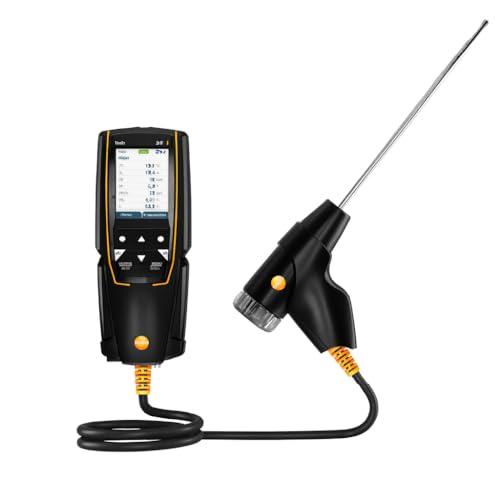
Response‑time testing is performed in a controlled chamber with a known CO concentration, so the numbers on the spec sheet reflect laboratory conditions. Real‑world factors such as airflow, temperature, and sensor age can shift the actual activation point slightly. That’s why the standards also require a self‑test function and a visual indicator (LED or LCD) that confirms the unit is powered and operational.
Power Source and Installation Types
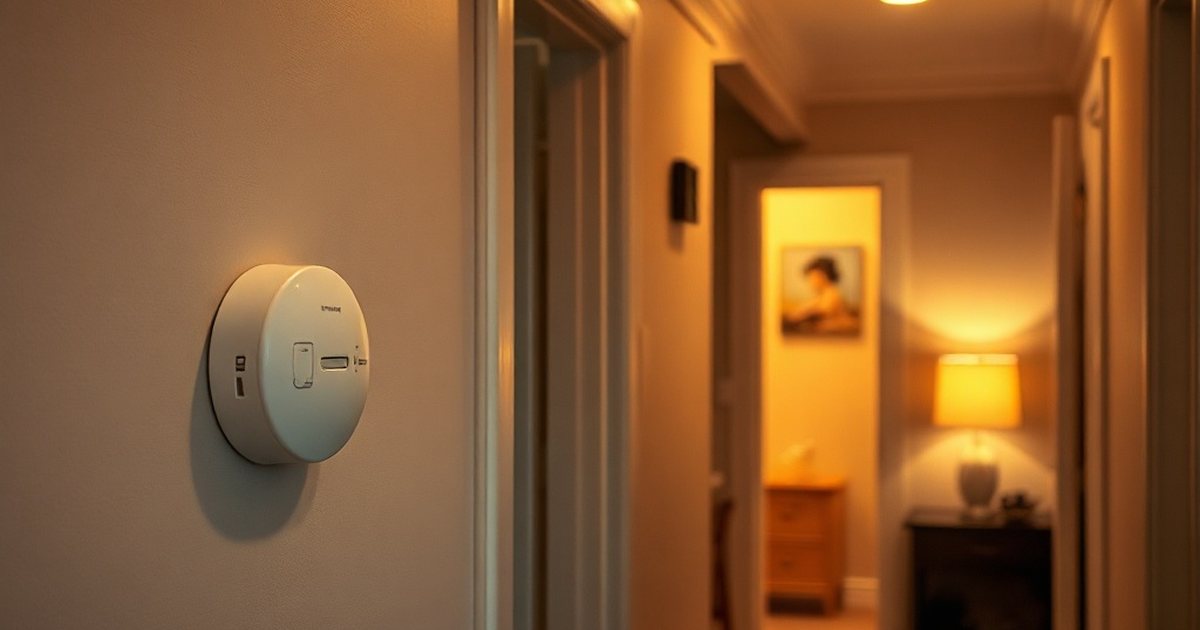
CO alarms come in three primary power configurations: battery‑only (usually 9 V or sealed 10‑year lithium), hardwired with battery backup, and plug‑in with battery backup. Battery‑only models are easiest to install — just mount on a wall or ceiling — but you must remember to replace the battery or the entire unit when the end‑of‑life chirp begins. Hardwired units tie into your home’s electrical system and typically interconnect with other alarms, so a single activation triggers every unit in the house [1].
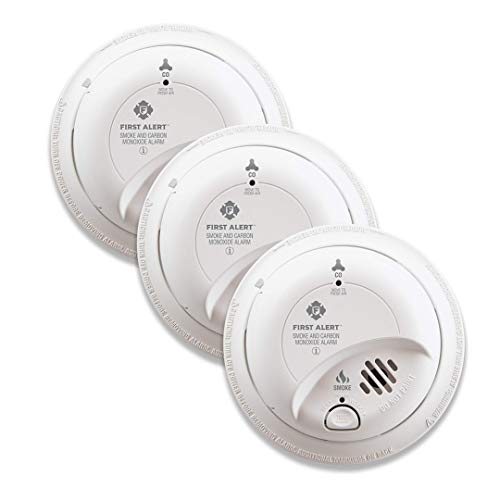
Plug‑in models are convenient for rooms without wiring, but they only protect the immediate area unless they are part of an interconnected system. Some newer devices combine smoke and CO detection in a single housing, which can reduce clutter but may have different replacement schedules for each sensor. Choose the power type that matches your home’s wiring, your willingness to maintain batteries, and any local code requirements for interconnectivity.
Useful Features Beyond the Minimum Standard
A digital display that shows the current CO concentration in ppm lets you see low‑level trends before the alarm sounds, which is helpful for troubleshooting a malfunctioning furnace or a blocked vent. Peak‑level memory records the highest concentration measured since the last reset, giving you data to share with a service technician. Interconnectivity — either wired or wireless — ensures that an alarm on one floor sounds throughout the home, waking occupants who might be far from the source.
Smart alarms that connect to Wi‑Fi or a home‑automation hub can send push notifications to your phone, alert you when the battery is low, and integrate with other safety devices (e.g., automatic shut‑off valves for gas lines). These features add convenience but also introduce dependence on internet connectivity and firmware updates. Verify that the smart functions themselves are covered by the same certification mark; some manufacturers certify only the core CO detection, not the cloud service.

Verifying a Product’s Certification Before Purchase
Start by locating the certification mark on the product label — usually a small logo with a file number (e.g., UL 2034 File E123456). Visit the certifier’s online directory (UL’s Product iQ, CSA’s Certified Product Listing, or the European Notified Body database) and enter the file number or model number. The listing will confirm the exact standard, the date of certification, and any conditions or limitations.
If the product is sold only through a marketplace and the listing is missing, contact the manufacturer directly and request a copy of the test report or a certificate of compliance. Reputable brands provide this documentation on their website. Be wary of products that claim “meets UL standards” without displaying the official mark or a verifiable file number; that language alone does not guarantee independent testing.
Maintenance, Replacement Timing, and When to Call a Professional
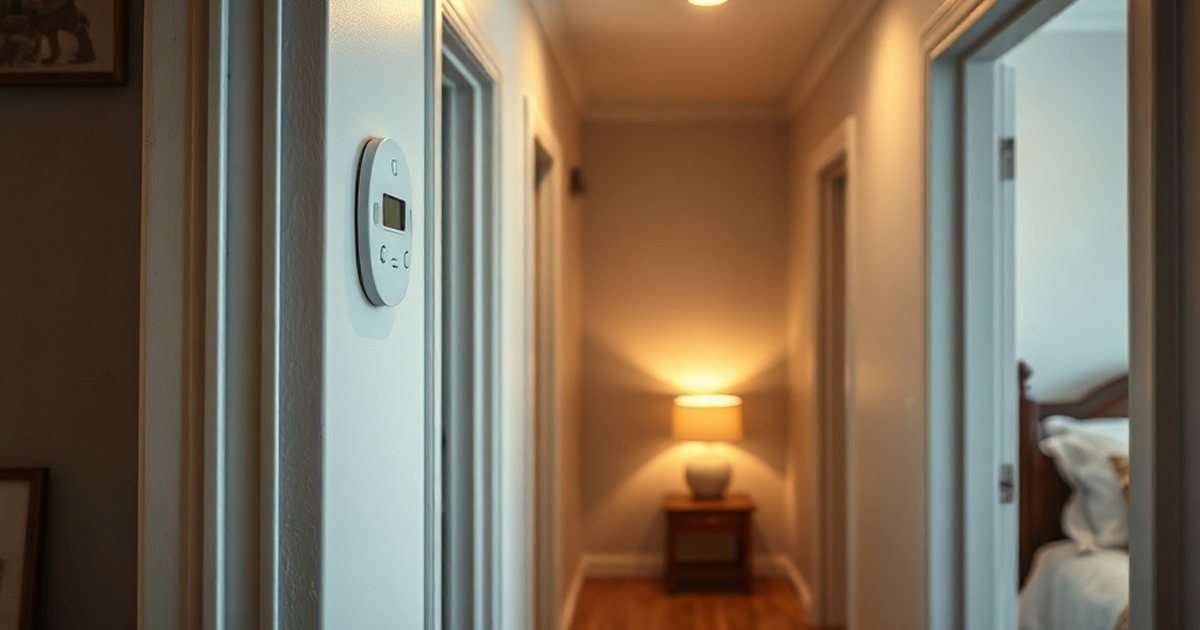
Test the alarm monthly using the built‑in test button; a proper test should produce the full alarm tone, not just a brief beep. Replace batteries at least once a year for replaceable‑battery models, or follow the manufacturer’s schedule for sealed‑life units (typically 7–10 years). The end‑of‑life chirp is your cue to replace the entire device, even if it still sounds during a test, because the electrochemical sensor degrades over time.
If you experience frequent false alarms, a persistent low‑level reading on a digital display, or if a fuel‑burning appliance (furnace, water heater, fireplace) shows signs of incomplete combustion (yellow flame, soot, unusual odors), schedule an inspection by a licensed HVAC or gas‑appliance technician. A professional can perform a combustion analysis, verify venting integrity, and confirm that your CO alarm placement complies with local building codes. Do not rely solely on the alarm to diagnose appliance problems.
FAQ
Do all CO alarms sold in the U.S. have to meet UL 2034?
Most residential CO alarms sold in the United States are required by model building codes to comply with UL 2034, but enforcement varies by jurisdiction. Always check the product label for the UL mark and a valid file number.
Can I use a European EN 50291‑certified alarm in my U.S. home?
An EN 50291 alarm meets European performance criteria, which are similar but not identical to UL 2034. U.S. codes typically require a UL or CSA mark, so a solely EN‑certified unit may not satisfy local inspection requirements.
How often should I replace a sealed‑life CO alarm?
Sealed‑life alarms are designed for 7 to 10 years of operation. The unit will emit an end‑of‑life chirp when the sensor reaches its rated lifespan; replace the entire device at that point.
What should I do if my CO alarm sounds but I don’t smell anything?
Treat every alarm as a real event. Evacuate the home, call emergency services, and do not re‑enter until a qualified professional has verified that CO levels are safe [2].
This article provides general guidance on selecting and maintaining carbon monoxide alarms; it does not replace a professional inspection of fuel‑burning appliances or ventilation systems. If you suspect a CO problem or experience symptoms like headache, dizziness, or nausea, leave the premises immediately and contact emergency services and a licensed HVAC or gas‑appliance technician.
References
- Carbon Monoxide Alarms: Protect Your Family and Yourself (infographic text). U.S. Environmental Protection Agency
- Protect Your Family and Yourself from Carbon Monoxide Poisoning. U.S. Environmental Protection Agency
These statements have not been evaluated by the Food and Drug Administration. This information is not intended to diagnose, treat, cure, or prevent any disease. Content is for informational purposes only and is not medical advice; consult a qualified healthcare provider before starting any supplement. As an Amazon Associate we earn from qualifying purchases.
