Carbon monoxide (CO) is an odorless, colorless gas that can build up in homes from fuel-burning appliances, attached garages, or blocked vents. While detectors provide the first line of defense, certain situations — such as persistent alarms, suspected leaks, or complex ventilation problems — require a trained professional to assess and remediate the source safely.
This guide walks you through the process of finding and vetting a contractor who specializes in carbon monoxide detection and home safety. It covers when to call a pro, what credentials matter, which questions to ask, typical cost ranges, and how to spot red flags so you can make a confident, informed decision.
- Call a professional when CO alarms recur, multiple detectors sound, or occupants have unexplained symptoms that improve away from home.
- Look for certifications such as NCI combustion analysis, NATE, BPI Building Analyst, or IAQA membership — and verify they’re current.
- Ask for calibrated equipment, whole-house worst-case depressurization testing, a written report, and clear scope of repair responsibility.
- Expect to pay $150–$500 for a thorough assessment; repairs are separate and vary widely — always get an itemized estimate.
- Avoid high-pressure sales, vague ‘inspections,’ and contractors who cannot show calibration records or explain their testing method.
When to Call a Professional for Carbon Monoxide Concerns
Not every CO situation demands a contractor. If a single detector sounds and you can identify an obvious cause — like a car left running in the garage — ventilating the area and resetting the device may be sufficient. However, you should contact a professional when: multiple detectors alarm simultaneously; an alarm recurs after you’ve addressed the obvious cause; you smell combustion odors or see soot around appliances; occupants experience unexplained headaches, nausea, or dizziness that improve when they leave the house; or you’re buying or selling a home and need a documented CO safety assessment.
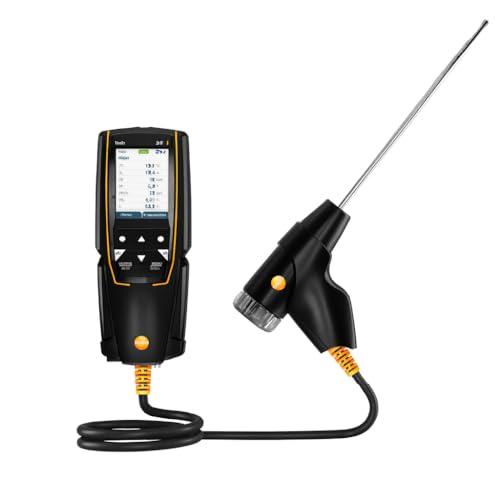
A qualified contractor brings calibrated instruments (such as electronic CO analyzers and combustion analyzers) that can pinpoint low-level leaks detectors might miss. They also understand building pressure dynamics, venting codes, and appliance-specific failure modes. Because CO poisoning symptoms mimic flu or fatigue, a professional evaluation adds a layer of certainty that DIY checks cannot provide [1].
If anyone in the home has lost consciousness, is confused, or has severe chest pain, call emergency services immediately. Do not wait for a contractor. After the immediate danger is addressed, a professional follow-up is essential to find and fix the source.
Key Certifications and Qualifications to Look For
There is no single universal license for ‘carbon monoxide contractors,’ but several credentials indicate relevant expertise. Look for technicians certified by the National Comfort Institute (NCI) in combustion analysis and carbon monoxide testing, or those holding HVAC Excellence or North American Technician Excellence (NATE) certifications with a focus on combustion safety. Many reputable firms also employ staff certified by the Building Performance Institute (BPI) as Building Analysts or Healthy Home Evaluators, which includes CO testing as part of a whole-house assessment.
Fire department or gas utility personnel may respond to CO calls, but their role is typically emergency shut-off and ventilation, not full-system diagnosis or repair. For comprehensive remediation, you need a contractor who can test, diagnose, and repair or coordinate repairs on appliances, venting, and building envelope issues.

Ask for proof of current certification and liability insurance. A legitimate company will provide certificate numbers and insurance documentation upon request. Membership in professional organizations such as the Air Conditioning Contractors of America (ACCA) or the Indoor Air Quality Association (IAQA) signals commitment to ongoing training and industry standards.
Questions to Ask Before Hiring a CO Contractor
Prepare a short list of questions to compare candidates objectively. Start with: ‘What specific CO testing equipment do you use, and is it calibrated annually?’ Professional-grade analyzers (e.g., Bacharach, Testo, or UEi) should be calibrated at least once a year. Next, ask: ‘Do you perform a whole-house combustion safety test, including worst-case depressurization testing?’ This test simulates conditions that can cause backdrafting — a common CO source — and is a hallmark of thorough assessment.
Inquire about scope: ‘Will you inspect all fuel-burning appliances, vent connectors, chimneys, and the garage-to-house air barrier?’ A complete evaluation covers furnaces, boilers, water heaters, fireplaces, ranges, dryers, and any attached garage. Ask: ‘Do you provide a written report with CO readings, identified hazards, and prioritized recommendations?’ A detailed report protects you and creates a record for future reference or real estate transactions.
Clarify follow-up: ‘If repairs are needed, do you perform them or coordinate with licensed specialists (e.g., HVAC, chimney, plumbing)?’ Some firms only test; others offer full remediation. Both models work, but you need to know who is responsible for each step. Finally, request references from recent CO assessment jobs and check online reviews for patterns of thoroughness and communication.
Understanding Service Scope and Cost Expectations
A professional carbon monoxide assessment typically costs between $150 and $500 for a single-family home, depending on size, number of appliances, and regional labor rates. Whole-house combustion safety testing with worst-case depressurization falls at the higher end. If the contractor also performs repairs — such as replacing a cracked heat exchanger, relining a chimney, or sealing garage air leaks — costs can range from a few hundred to several thousand dollars.
Ask for an itemized estimate before work begins. The estimate should separate diagnostic fees from repair costs and list any required permits (common for venting modifications or appliance replacement). Be wary of flat-fee ‘CO inspections’ that only involve waving a handheld detector near appliances; those rarely meet the standard of a combustion safety test.

Some utilities or local health departments offer subsidized or free CO assessments for income-qualified households. Check with your gas utility or county housing office. If you’re hiring as part of a real estate transaction, clarify who pays and whether the report meets lender or inspector requirements.

Red Flags and How to Verify a Contractor’s Reputation
Avoid contractors who: pressure you to sign a contract on the spot; claim their detector or service ‘eliminates’ CO risk entirely (no service can guarantee zero risk); refuse to show calibration records for their instruments; cannot explain the difference between ambient CO testing and combustion analysis; or offer to ‘fix’ a problem without first showing you the test data that identified it.
Verify the business through your state’s contractor licensing board (if HVAC or plumbing licenses are required) and the Better Business Bureau. Search for the company name plus ‘complaints’ or ‘reviews’ and look for consistent themes — positive or negative. Ask for a certificate of insurance (general liability and workers’ compensation) and confirm it’s current.
If a contractor finds a serious hazard (e.g., a cracked heat exchanger), they should ‘red-tag’ the appliance — disabling it and notifying the gas utility if required by local code. This is a safety mandate, not an upsell. A reputable professional will explain the finding, show you the evidence, and give you time to consider repair or replacement options without high-pressure tactics.
Maintaining CO Safety After Professional Service
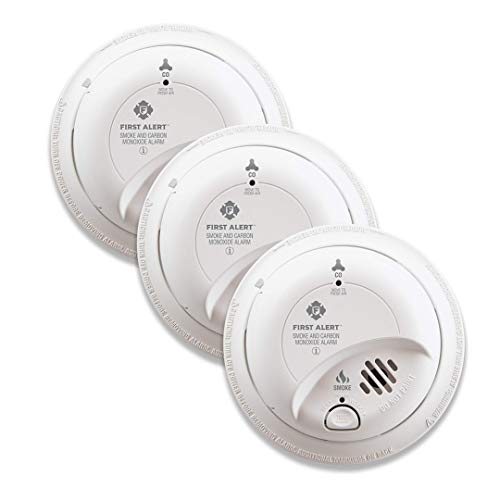
After the contractor completes testing and any repairs, ask for a written summary of what was done, final CO readings, and any remaining recommendations. Keep this document with your home maintenance records. Replace all CO detectors according to manufacturer timelines (typically every 5–7 years for electrochemical sensors, 10 years for some newer models) and test them monthly using the test button.
Schedule a follow-up combustion safety test if you make changes to the home’s air tightness (new windows, insulation, exhaust fans) or add fuel-burning appliances. Even minor renovations can alter pressure balances and create new backdrafting risks. An annual heating-system tune-up by a qualified HVAC technician should include a basic CO check, but it does not replace a full worst-case depressurization test every few years.
Educate all household members on CO alarm sounds and the evacuation plan. Post the fire department’s non-emergency number and your contractor’s contact info near the furnace and in the kitchen. Consistent habits — never using portable generators indoors, never warming up a car in the garage, keeping vents clear of snow — remain the most reliable daily defense.
FAQ
How often should I have a professional CO assessment?
Every 2–3 years for most homes, or annually if you have an attached garage, older appliances, or have made air-sealing improvements. Schedule sooner after any renovation that changes ventilation or pressure dynamics.

Can my HVAC technician do the CO test during a regular tune-up?
A standard tune-up often includes a basic flue gas check, but not a worst-case depressurization test. Ask explicitly for a full combustion safety assessment if you want the more comprehensive evaluation.
What should I do if a contractor red-tags my furnace?
Do not operate the appliance. The contractor should explain the hazard, provide written documentation, and discuss repair or replacement options. You may seek a second opinion, but do not use the equipment until it’s cleared by a qualified professional.
Are there free or low-cost CO assessment programs?
Many gas utilities, weatherization assistance programs, and local health departments offer free or subsidized assessments for income-eligible households. Contact your utility or community action agency to ask.
Does a home inspector check for carbon monoxide during a standard inspection?
Standard home inspections typically test CO detectors for function but do not perform combustion analysis or worst-case depressurization testing. Request a separate CO safety assessment if you want that level of detail.
This article provides general guidance for selecting a contractor; it does not replace professional on-site evaluation. Always consult a licensed HVAC, plumbing, or building performance professional for diagnosis and remediation of specific carbon monoxide hazards in your home.
References
- Protect Your Family and Yourself from Carbon Monoxide Poisoning. U.S. Environmental Protection Agency
These statements have not been evaluated by the Food and Drug Administration. This information is not intended to diagnose, treat, cure, or prevent any disease. Content is for informational purposes only and is not medical advice; consult a qualified healthcare provider before starting any supplement. As an Amazon Associate we earn from qualifying purchases.
