Carbon monoxide (CO) is a colorless, odorless gas that can build up when fuel‑burning appliances are not vented properly. Many homeowners try to address CO concerns on their own, but certain DIY shortcuts can actually increase the danger instead of reducing it.
This guide walks through the most common missteps — from placing detectors in the wrong spots to sealing vents in an effort to save energy — and explains why each one matters. The goal is to help you recognize a risky habit before it becomes a health hazard, and to know when a licensed professional should be called.
- Place CO detectors on every level, outside sleeping areas, and away from appliances.
- Never block or seal combustion vents; use only approved vent‑sealing products.
- Choose alarms certified to UL 2034 or CSA 6.19 and replace them per the manufacturer’s lifespan.
- Schedule annual professional maintenance for all fuel‑burning equipment.
- Use multiple, interconnected detectors to cover all zones of the home.
Placing Detectors in Ineffective Locations
CO detectors need to be where the gas will first accumulate. Installing a unit only in a hallway far from bedrooms or near a kitchen stove can delay the alarm. The National Fire Protection Association recommends a detector on each level of the home and outside each sleeping area, and EPA puts alarms in a central location on every level and at least 15 feet away from any fuel-burning appliance.[3]
A common mistake is mounting a detector on the ceiling directly above a furnace or water heater. CO is slightly lighter than air, but it mixes quickly; a ceiling‑only placement may miss low‑level buildup in basements or crawl spaces. Use a combination of ceiling and wall‑mounted units, following the manufacturer’s height guidance.
If you have a multi‑story house, do not rely on a single detector on the ground floor. CO can travel through stairwells and HVAC ducts, so each floor should have its own device. Test each unit monthly and replace batteries at least once a year.
Blocking or Sealing Ventilation Paths
Homeowners sometimes caulk or tape over vent pipes, flue caps, or dryer exhausts to stop drafts or save heating costs. This blocks the path that carries combustion gases outside, forcing CO back into living spaces.
Even a partially blocked vent can cause back‑drafting when a furnace or water heater cycles on [1]. Signs include a persistent pilot light that won’t stay lit, soot around the appliance, or a faint smell of exhaust. If you notice any of these, stop using the appliance and have a qualified HVAC technician inspect the venting system.
When improving energy efficiency, use approved vent‑sealing products that are rated for the specific appliance and follow the manufacturer’s installation instructions. Never improvise with duct tape, silicone, or expanding foam on combustion vents.
Using the Wrong Type of Alarm or Ignoring Certification
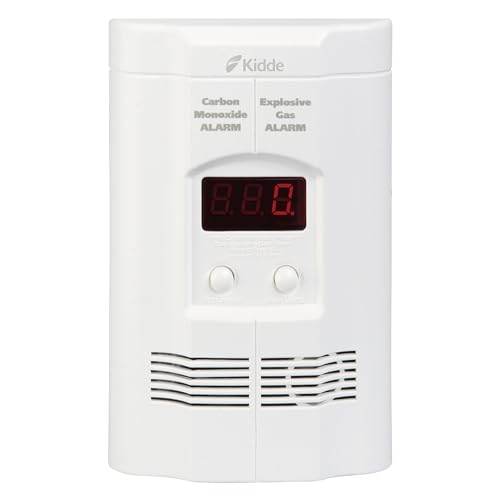
Not all CO alarms meet the same performance standards. Look for devices listed to UL 2034 (or the equivalent CSA 6.19) which defines sensitivity, alarm thresholds, and durability. Cheap, unlisted models may not sound until CO reaches dangerous levels.
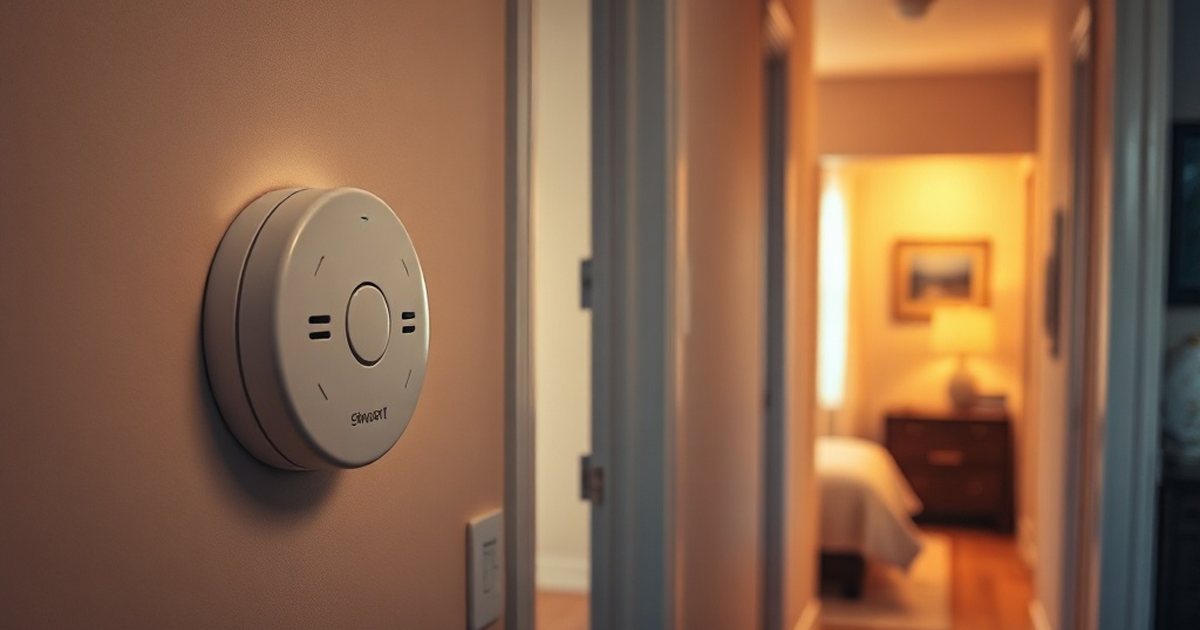
Combination smoke/CO alarms can be convenient, but they must still carry the CO certification mark. Some combo units prioritize smoke detection and have a higher CO alarm threshold, which reduces early warning for low‑level exposure.
Replace any alarm that is older than the manufacturer’s stated service life, typically 5‑7 years for CO sensors. Write the installation date on the back of the unit and set a calendar reminder for replacement.
Neglecting Regular Maintenance of Fuel‑Burning Appliances
A furnace, boiler, water heater, or fireplace that is not serviced annually can develop cracked heat exchangers, blocked burners, or corroded vent connectors — all of which raise CO output [2]. Schedule a professional inspection before the heating season starts.
DIY cleaning of burners or pilot assemblies is risky if you lack the proper tools and training. Improper re‑assembly can create leaks that are invisible until an alarm sounds. If you must clean a surface, follow the appliance manual exactly and turn off gas and power first.
Keep a log of service dates, technician names, and any repairs performed. This record helps you track recurring issues and provides useful information if you ever need to file an insurance claim or sell the home.

Relying Solely on a Single Alarm or No Alarm at All
A single detector cannot protect an entire house, especially if the home has multiple sleeping areas, a basement, or an attached garage. CO can accumulate in isolated zones before reaching a centrally placed alarm.
Install a detector in each bedroom hallway, near the garage entry door, and in any room with a fuel‑burning appliance. Interconnected alarms — wired or wireless — ensure that when one unit sounds, all units alert the occupants [3].
If you rent, verify that the landlord has installed compliant detectors and that they are functional. Request written confirmation of the last test date and replacement schedule.
FAQ
Can I install a CO detector myself, or do I need an electrician?
Most battery‑operated CO detectors are designed for simple DIY installation — just follow the mounting height and location guidelines. Hardwired or interconnected systems may require a licensed electrician to ensure proper wiring and code compliance.
How often should I test my CO alarms?
Test each alarm at least once a month by pressing the test button. Replace batteries annually or when the low‑battery chirp sounds, and replace the entire unit according to the manufacturer’s service life, usually every 5‑7 years.
What should I do if my CO alarm sounds?
Evacuate everyone to fresh air immediately, call emergency services, and do not re‑enter until the source has been identified and fixed by a qualified professional. Do not attempt to locate the leak yourself.
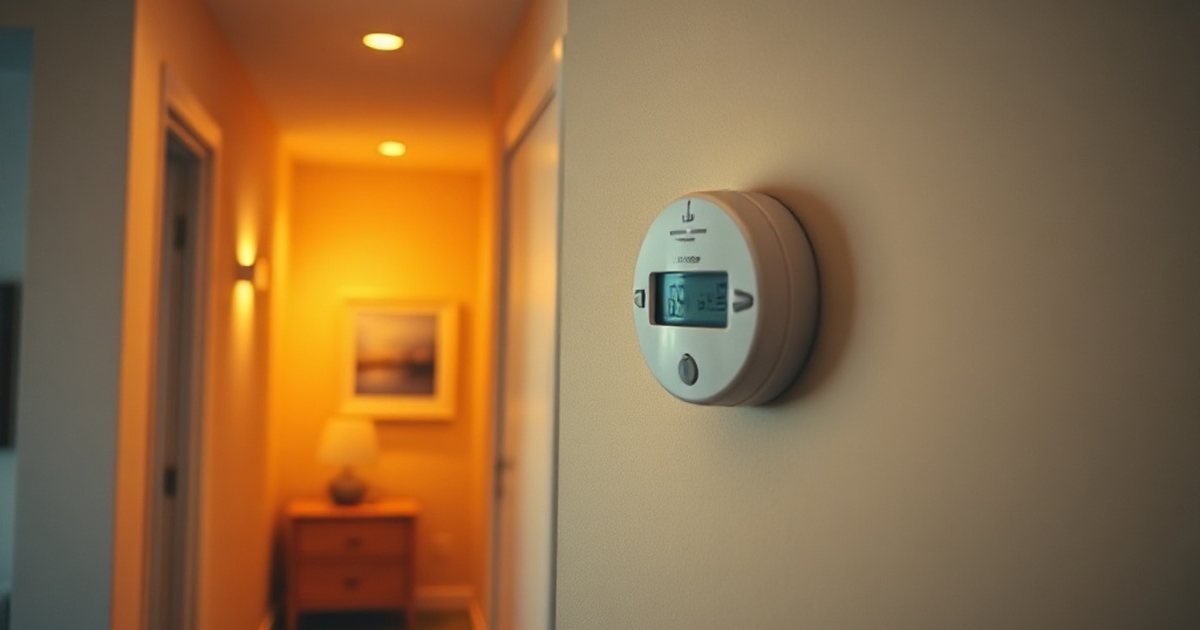
This article provides general guidance based on common safety practices; it does not replace a professional inspection. If you suspect a CO problem, experience symptoms like headache or nausea, or have any doubt about your ventilation system, contact a licensed HVAC technician or a certified home safety inspector right away.
References
- Carbon Monoxide's Impact on Indoor Air Quality. U.S. Environmental Protection Agency
- Carbon Monoxide Poisoning Prevention. U.S. Fire Administration, FEMA
- Carbon Monoxide Alarms: Protect Your Family and Yourself (infographic text). U.S. Environmental Protection Agency
These statements have not been evaluated by the Food and Drug Administration. This information is not intended to diagnose, treat, cure, or prevent any disease. Content is for informational purposes only and is not medical advice; consult a qualified healthcare provider before starting any supplement. As an Amazon Associate we earn from qualifying purchases.
