Carbon monoxide (CO) is a colorless, odorless gas that can build up in any home with fuel‑burning appliances, attached garages, or blocked vents. Understanding where CO comes from and how it moves through a house is the first line of defense for any homeowner who wants to reduce risk without relying solely on alarms.
This guide walks through concrete, low‑cost actions you can take today — installing and maintaining detectors, improving ventilation, servicing appliances, and building a simple household response plan. It also highlights the limits of DIY work and the situations where a licensed technician should be brought in.
- Map every fuel‑burning appliance and verify that each has a clear, code‑compliant vent to the outside.
- Install UL‑listed CO detectors on every level and within 10 feet of sleeping areas; test monthly and replace on schedule.
- Maintain fresh‑air pathways for combustion appliances and schedule annual professional servicing.
- Write and rehearse a simple household CO emergency plan with clear exit routes and contact numbers.
- Recognize that detector alarms, soot, or persistent odors signal problems that need a licensed technician.
Identify Common CO Sources in Your Home
Fuel‑burning equipment such as furnaces, water heaters, boilers, fireplaces, wood stoves, and gas ranges all produce CO as a by‑product of combustion [1]. Even a properly vented appliance can leak if the vent pipe is cracked, disconnected, or blocked by debris, bird nests, or snow [2]. Attached garages are another frequent source because vehicle exhaust can seep into living spaces through shared walls or doorways.
Walk through each level of the house and note every appliance that burns natural gas, propane, oil, kerosene, wood, or charcoal. Check that each has a dedicated vent or flue that runs to the exterior, and verify that the vent terminates above the roofline and away from windows, doors, and air intakes. Document any appliance that lacks a vent, uses a flexible metal connector that shows signs of corrosion, or shares a chimney with another device — these are priority items for professional inspection.
Install and Maintain Certified CO Detectors
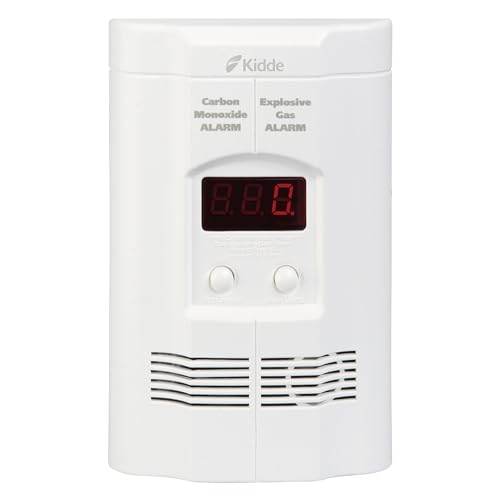
Choose detectors that meet the UL 2034 or CSA 6.19 standard and carry a label indicating they are listed for residential use. Place at least one detector on every level of the home, including the basement, and locate a unit within 10 feet of each sleeping area. Mount detectors on the wall at least 5 inches below the ceiling or on the ceiling itself, because CO mixes evenly with air and does not rise like smoke.
Test each detector monthly using the built‑in test button, and replace batteries at least once a year or whenever the low‑battery chirp sounds. Replace the entire unit every 5 to 7 years, or according to the manufacturer’s expiration date, because sensor sensitivity degrades over time. Keep a written log of installation dates, battery changes, and test results to ensure nothing is missed.
Improve Ventilation and Appliance Maintenance
Adequate fresh‑air intake is essential for complete combustion. Verify that combustion appliances have unobstructed combustion air openings — typically a vent or louver near the floor — and that these openings are not covered by insulation, storage, or remodeling work. For homes with tightly sealed envelopes, consider installing a dedicated make‑up air system or a balanced heat‑recovery ventilator to supply fresh air without excessive energy loss.

Schedule annual professional servicing for furnaces, boilers, water heaters, and any other fuel‑burning equipment. During service, the technician should check burner operation, heat‑exchanger integrity, vent draft, and safety controls. Between professional visits, homeowners can clean accessible burner ports, replace furnace filters on the recommended schedule, and ensure that vent terminations remain clear of snow, leaves, and animal nests.
Create a Household CO Safety Plan
Develop a one‑page plan that lists the location of every CO detector, the nearest exit routes from each bedroom, and a designated outdoor meeting point. Include emergency phone numbers for the fire department, gas utility, and a qualified HVAC contractor. Practice the plan with all household members at least twice a year, especially after any change in occupancy or after a detector alarm has sounded.
If a detector alarms, evacuate immediately, call emergency services from outside, and do not re‑enter until the source has been identified and corrected by a professional [3]. Keep a portable battery‑operated CO detector in the vehicle for use when the garage is attached to the home, and consider a plug‑in detector with a digital display for rooms where you spend the most time, such as a home office or basement recreation area.
Know the Limits of DIY and When to Call a Professional
DIY steps such as detector installation, filter changes, and visual vent inspections are valuable, but they cannot replace a comprehensive combustion analysis, pressure testing of vent systems, or verification of proper appliance sizing. Complex issues — cracked heat exchangers, improper vent sizing, back‑drafting caused by negative pressure, or integrated HVAC‑combustion interactions — require specialized tools and training.
Contact a licensed HVAC contractor or a certified combustion analyst if you notice persistent detector alarms, soot around appliance vents, unusual odors, or if a home energy audit reveals high negative pressure. Professionals can perform a CO test with calibrated instruments, adjust burner settings, repair or replace venting, and certify that the system meets current safety codes.

FAQ
How many CO detectors do I need for a two‑story house with a basement?
Place at least one detector on each level, including the basement, and add a unit within 10 feet of every bedroom. For a typical two‑story home with a basement, that means a minimum of three detectors, plus any additional units for large or separated sleeping areas.
Can I use a smoke alarm as a CO detector?
No. Smoke alarms detect particles from fire, while CO detectors sense a specific gas. They use different sensor technologies and are not interchangeable. Use a dedicated CO detector that meets UL 2034 or CSA 6.19 standards.

What should I do if my CO detector sounds but I feel fine?
Treat every alarm as real. Evacuate the home immediately, call emergency services from outside, and do not re‑enter until a qualified professional has identified and fixed the source. CO can impair judgment before symptoms appear.
Is it safe to seal all cracks around windows and doors to improve energy efficiency?
Sealing the envelope reduces drafts but can also starve combustion appliances of needed air, leading to incomplete combustion and CO buildup. If you tighten the home, provide a dedicated make‑up air source or have a professional evaluate the ventilation balance.
This guide provides general DIY guidance only; it does not replace a professional combustion safety inspection. If detectors alarm, you see soot, or you suspect venting problems, contact a licensed HVAC contractor or certified combustion analyst immediately.
References
- Carbon Monoxide's Impact on Indoor Air Quality. U.S. Environmental Protection Agency
- Carbon Monoxide Poisoning Prevention. U.S. Fire Administration, FEMA
- Protect Your Family and Yourself from Carbon Monoxide Poisoning. U.S. Environmental Protection Agency
These statements have not been evaluated by the Food and Drug Administration. This information is not intended to diagnose, treat, cure, or prevent any disease. Content is for informational purposes only and is not medical advice; consult a qualified healthcare provider before starting any supplement. As an Amazon Associate we earn from qualifying purchases.
