Carbon monoxide (CO) is an odorless, colorless gas that can pose serious health risks if it accumulates indoors. Understanding the costs associated with detecting and preventing CO exposure helps homeowners make informed decisions without overspending or compromising safety.
This guide breaks down typical price ranges for detectors, installation, professional inspections, and ongoing maintenance. It also highlights where a do‑it‑yourself approach works well and where a licensed professional adds value, so you can plan a realistic budget for carbon monoxide detection and home safety.
- Basic battery‑operated CO alarms cost $20‑$40 each; a three‑unit DIY setup is roughly $60‑$150.
- Professional inspection averages $100‑$250; full hardwired installation can run $600‑$1,400 for a typical home.
- Plan for annual battery changes ($8‑$12) and detector replacement every 5‑7 years ($20‑$55 per unit).
- DIY works for simple plug‑in or battery models; hire a pro for hardwired systems, permits, or appliance venting issues.
- Include a 15‑20 % contingency in your budget for wiring, permits, and unexpected repairs.
Understanding the Cost Landscape
The total expense of CO protection falls into three main categories: equipment, labor, and recurring costs. Equipment includes the detectors themselves, mounting hardware, and any required wiring or wireless modules. Labor covers the time spent installing devices, running wiring, and performing a professional inspection of combustion appliances. Recurring costs involve battery replacements, sensor calibrations, and periodic detector replacement every 5‑7 years.
Prices vary by region, home size, and the complexity of the heating system. A small single‑family home with a single furnace may need only two to three detectors, while a larger home with multiple fuel‑burning appliances could require a detector on each level and near each sleeping area. Knowing the scope of your home’s needs is the first step in estimating a realistic budget.
DIY Detector Purchase and Installation Costs
Battery‑operated CO alarms that meet UL 2034 or CSA 6.19 standards typically cost $20‑$40 each. Plug‑in models with battery backup range from $30‑$55. Combination smoke/CO units are priced $35‑$70. For a three‑detector setup, expect to spend roughly $60‑$150 on hardware alone.
Installation is straightforward for most battery or plug‑in units: mount the device on a wall or ceiling according to the manufacturer’s instructions, usually within 10‑15 feet of sleeping areas and away from vents. No special tools are required beyond a drill and screwdriver. Labor cost for a DIY install is essentially your time, which most homeowners can complete in under an hour per detector.
If you choose hardwired detectors with interconnect wiring, material costs rise to $40‑$80 per unit plus $10‑$20 for wire and connectors. Running new wiring may require basic electrical knowledge and adherence to local code; many jurisdictions allow homeowners to perform low‑voltage work, but a permit may be needed. Budget an additional $50‑$150 for wiring supplies and any permit fees.
Professional Inspection and Installation Costs
A licensed HVAC technician or certified home‑safety inspector typically charges $100‑$250 for a comprehensive CO inspection. This service includes checking furnace, water heater, fireplace, and garage ventilation for proper combustion and venting, as well as verifying that existing detectors are correctly placed and functional.
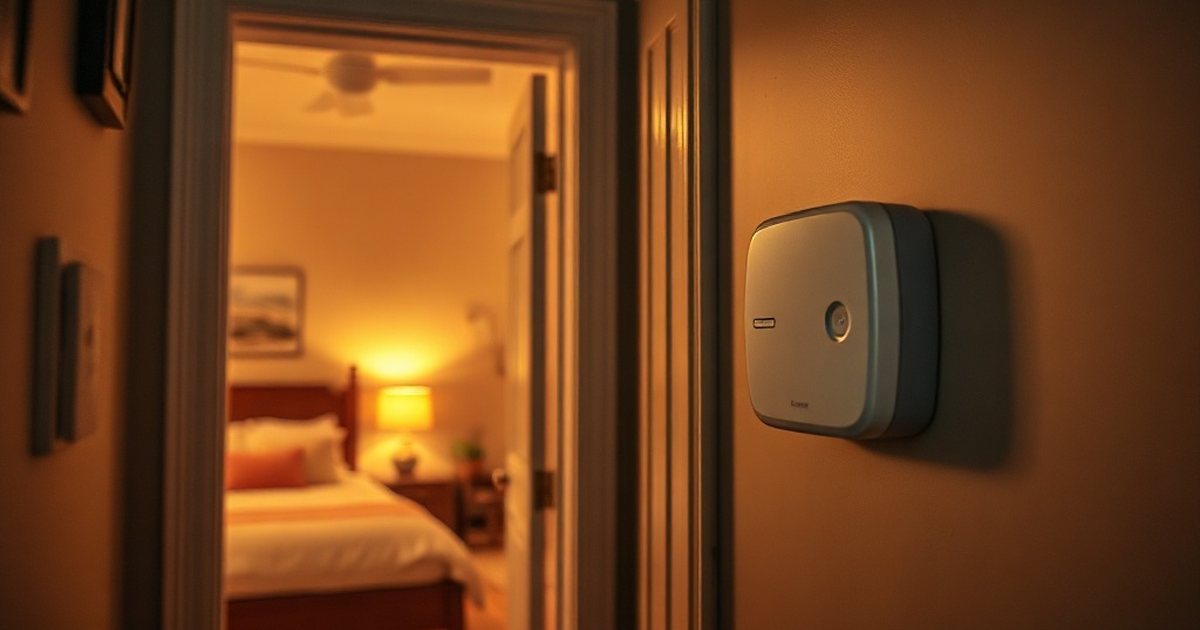
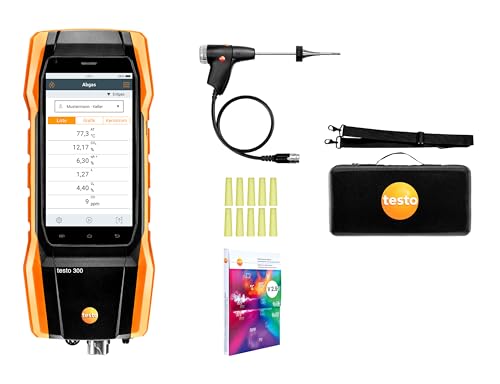
Professional installation of hardwired, interconnected detectors usually runs $150‑$350 per unit, covering labor, wiring, and code compliance. For a whole‑home system of four detectors, total professional installation can reach $600‑$1,400. The higher cost reflects the expertise to integrate detectors with existing electrical panels, ensure proper grounding, and provide documentation for insurance or resale.
Some contractors offer bundled packages that combine inspection, detector supply, and installation for a flat fee of $800‑$1,500 for an average 2,000‑sq‑ft home. These packages can be cost‑effective if you need both a thorough appliance check and new detectors, but always request a detailed line‑item estimate before committing.
Ongoing Maintenance and Replacement Expenses
Battery‑operated alarms require fresh batteries at least once a year; a pack of four AA lithium batteries costs $8‑$12. Plug‑in units with backup batteries need the same annual battery change. Hardwired detectors still rely on a backup battery that should be replaced annually.
Sensor lifespan is limited, but manufacturers do not publish one shared interval, so budget against your own unit rather than a rule of thumb. First Alert tells owners to replace a CO alarm completely after five to seven years[2]. Kidde puts the service life at seven to ten years depending on model, and states that every Kidde CO alarm built since 2013 is a ten-year unit[1].
A sealed ten-year alarm is therefore a ten-year purchase, not a five-year one, and replacing it early is money spent for nothing. Budget $20‑$55 per replacement unit, plus any labor if you hire a professional for the swap, and set the calendar reminder from the date and rated life printed on the back of each detector rather than from a generic interval.
If a professional inspection reveals a venting issue or appliance malfunction, repair costs can range from $150 for a simple vent cleaning to $1,500 or more for a furnace heat‑exchanger replacement. Addressing these problems promptly reduces the risk of CO buildup and can prevent far more expensive emergency repairs later.
Budgeting Tips and When to Call a Licensed Professional
Start by mapping every sleeping area and each fuel‑burning appliance in your home. Count the minimum detectors required by local code (often one per level and outside each sleeping area). Multiply by the average unit cost to get a baseline hardware budget.
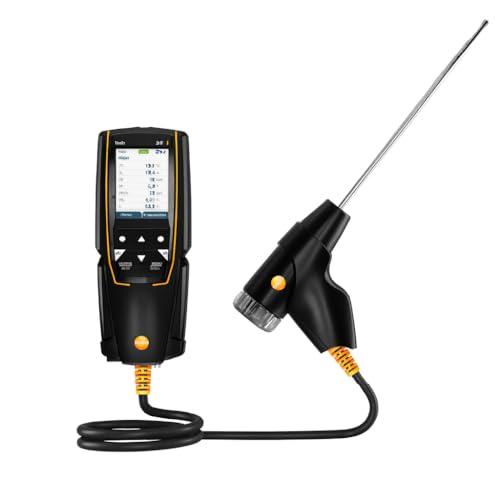
Add a contingency of 15‑20 % for wiring supplies, permits, or unexpected appliance repairs uncovered during an inspection. If your home has older gas appliances, a professional inspection every 1‑2 years is a prudent investment, typically $100‑$250 per visit.
DIY installation is appropriate for battery or plug‑in detectors in homes with straightforward layouts and no need for new electrical circuits. Call a licensed electrician or HVAC contractor when you need hardwired interconnects, when local code requires a permit, or when an inspection reveals venting or combustion problems that exceed basic maintenance.
FAQ
How many carbon monoxide detectors do I need?
Most codes require at least one detector on each level of the home and outside each sleeping area. Larger homes or those with multiple fuel‑burning appliances may need additional units near each appliance.
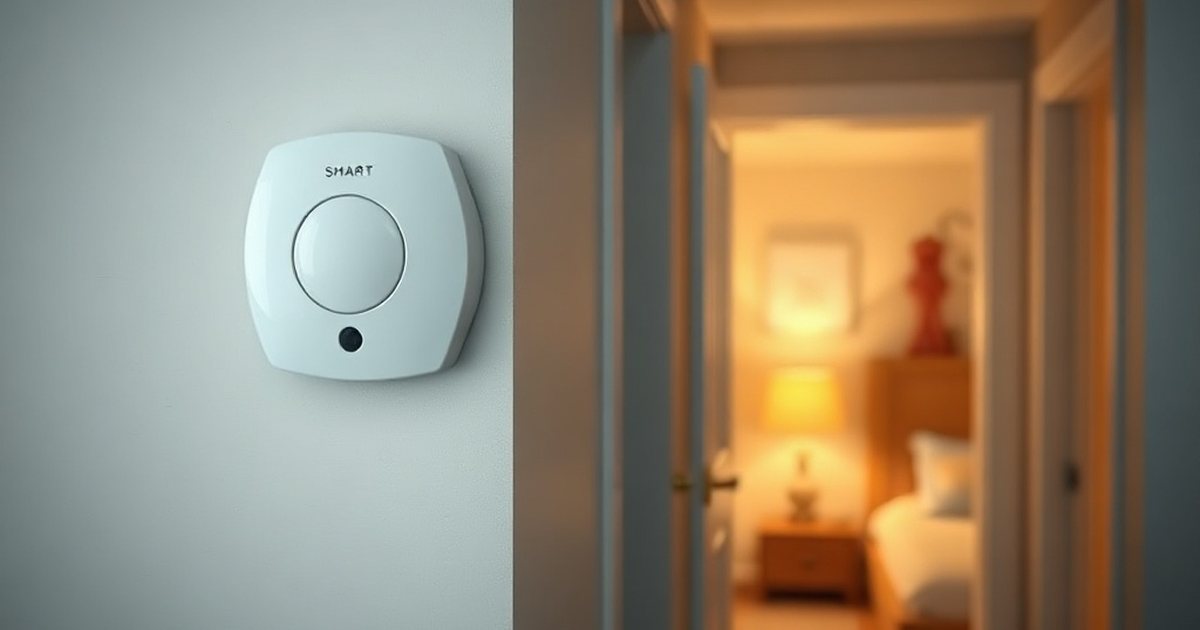
Can I install a hardwired CO detector myself?
If you have basic electrical experience and local code permits homeowner low‑voltage work, you can run the wiring yourself. However, a permit and inspection are often required, and a licensed electrician ensures code compliance and proper grounding.
How often should I replace my CO detectors?
It depends on the model, and the manufacturers disagree. First Alert says five to seven years[2]; Kidde says seven to ten, and states that all of its CO alarms made since 2013 are ten-year units[1]. EPA does not name an interval at all and simply tells owners to follow the manufacturer’s instructions and any applicable building codes[3]. Check the manufacture date and rated life on the back of each detector and replace it when the unit reaches its own stated end of life or sounds its end-of-life signal.
What should I do if my CO alarm sounds?
Evacuate the home immediately, call emergency services, and do not re‑enter until a professional has verified the source of the CO and cleared the space. Do not attempt to locate the leak yourself.
This guide provides general cost ranges and practical steps; actual prices vary by location, home configuration, and contractor rates. For any suspected CO exposure, appliance malfunction, or complex electrical work, consult a licensed HVAC technician, electrician, or certified home‑safety professional to ensure proper testing and remediation.
References
- When Should I Replace My Carbon Monoxide Alarm?. Kidde
- 7 Things to Know About Carbon Monoxide Alarms. First Alert
- Carbon Monoxide Alarms: Protect Your Family and Yourself. U.S. Environmental Protection Agency
These statements have not been evaluated by the Food and Drug Administration. This information is not intended to diagnose, treat, cure, or prevent any disease. Content is for informational purposes only and is not medical advice; consult a qualified healthcare provider before starting any supplement. As an Amazon Associate we earn from qualifying purchases.
