Carbon monoxide (CO) is a colorless, odorless gas produced whenever fuel burns incompletely. Even low‑level exposure can impair oxygen delivery to tissues, and higher concentrations can become life‑threatening within minutes.
This article summarizes peer‑reviewed research on the acute and delayed health impacts of CO, highlights groups at greatest risk, and connects the evidence to practical steps for carbon monoxide detection and home safety.
- CO binds to hemoglobin and disrupts cellular respiration, causing tissue hypoxia even at low concentrations.
- Acute symptoms are nonspecific; delayed cognitive deficits can appear weeks after apparent recovery.
- Children, older adults, pregnant people, and those with chronic heart or lung disease face higher risk.
- UL‑listed CO alarms on every level, tested monthly, are the primary defense for homeowners.
- Annual professional inspection of combustion appliances complements alarm protection.
How Carbon Monoxide Affects the Body
CO binds to hemoglobin with an affinity roughly 200–250 times greater than oxygen, forming carboxyhemoglobin and reducing the blood’s oxygen‑carrying capacity [1]. This hypoxic stress affects every organ system, but the brain and heart are especially vulnerable because of their high metabolic demand [2].
In addition to hemoglobin binding, CO interferes with cellular respiration by inhibiting cytochrome c oxidase, which can cause direct tissue toxicity independent of carboxyhemoglobin levels [3]. These mechanisms explain why symptoms can appear before carboxyhemoglobin reaches traditionally “dangerous” thresholds.
Acute Symptoms and Clinical Presentation
Early signs of CO poisoning often mimic flu or food poisoning: headache, dizziness, nausea, shortness of breath, and confusion [4]. Because the gas is odorless, occupants may not recognize the exposure until symptoms worsen.
At higher concentrations, loss of consciousness, seizures, and cardiac arrhythmias can develop rapidly, and death may occur without prompt removal from the source [2]. The variability of presentation — sometimes called a “clinical chameleon” — underscores the need for reliable detection rather than reliance on symptom recognition alone [4].

Delayed Neuropsychological Effects
A meta‑analysis of controlled studies found that a substantial proportion of survivors experience persistent cognitive deficits — including memory impairment, attention deficits, and executive dysfunction — weeks to months after the acute event [5].
These delayed effects can appear even in patients who seemed to recover fully initially, suggesting that CO triggers neurodegenerative processes that are not fully captured by acute carboxyhemoglobin measurements [5].
Vulnerable Populations and Long‑Term Risks
Children, older adults, pregnant individuals, and people with pre‑existing cardiovascular or respiratory disease are disproportionately affected by CO exposure [6]. A mass‑poisoning incident at a daycare demonstrated that young children can suffer severe neurological injury at concentrations that might cause only mild symptoms in healthy adults [7].
Surveillance data from the Veterans Health Administration (2010‑2017) showed higher rates of CO‑related emergency visits among patients with chronic obstructive pulmonary disease and heart failure, indicating that chronic low‑level exposure may exacerbate underlying conditions [8]. Public‑health guidance also emphasizes that fetal hemoglobin binds CO more readily, raising concerns for prenatal exposure [9].
Implications for Home Detection and Safety
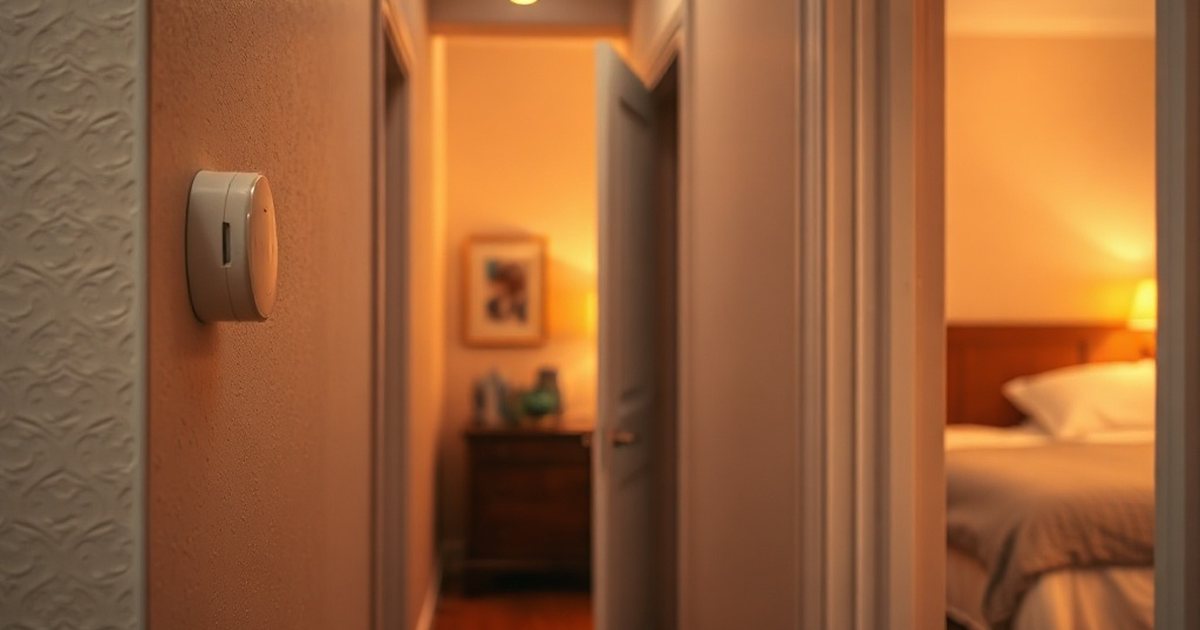
Because CO cannot be detected by human senses, the evidence supports installing UL‑listed CO alarms on every level of the home, especially near sleeping areas, and testing them monthly [2]. Alarms should meet the current UL 2034 standard and be replaced at the end of the manufacturer’s stated lifespan, which runs from five to ten years depending on brand and model.
Proper placement, meaning a central location on each level and at least 15 feet from any fuel-burning appliance, reduces false alarms while ensuring early warning. Regular professional inspection of furnaces, water heaters, fireplaces, and attached garages further lowers the risk of undetected leaks [1].

FAQ
What are the first signs of carbon monoxide poisoning?
Headache, dizziness, nausea, shortness of breath, and confusion are common early symptoms, but they can be mistaken for flu or food poisoning [4].
Can low‑level, long‑term exposure cause lasting health problems?
Yes. Epidemiologic data link chronic low‑level CO exposure to worsened cardiovascular and respiratory conditions, and delayed neuropsychological deficits have been documented after acute exposures [8][5].
How often should I replace my CO alarm?
There is no single industry interval: First Alert publishes five to seven years, while Kidde publishes seven to ten and states that every Kidde CO alarm made since 2013 is a ten-year unit. Check the label on your device and follow the specific guidance [2].
Do I need a professional to inspect my heating system?
A qualified HVAC technician should inspect fuel‑burning appliances at least once a year to identify leaks or incomplete combustion that alarms alone cannot prevent [1].
This information summarizes scientific evidence and is not a substitute for medical evaluation. If you suspect CO exposure, move to fresh air immediately and seek emergency care; for home system assessments, contact a licensed HVAC professional.
References
- Carbon monoxide poisoning–a public health perspective. Toxicology, 2000
- Carbon Monoxide Poisoning. Workplace health & safety, 2019
- ATMOSPHERE POLLUTANTS. Annual review of medicine, 1964
- Clinical chameleons: an emergency medicine focused review of carbon monoxide poisoning. Internal and emergency medicine, 2018
- Immediate and Delayed Neuropsychological Effects of Carbon Monoxide Poisoning: A Meta-analysis. Journal of the International Neuropsychological Society : JINS, 2018
- Environmental and Health Impacts of Air Pollution: A Review. Frontiers in public health, 2020
- Mass Carbon Monoxide Poisoning at a Daycare: A Public Health Lesson. Cureus, 2024
- Carbon monoxide poisoning surveillance in the Veterans Health Administration, 2010-2017. BMC public health, 2019
- Identifying and managing adverse environmental health effects: 6. Carbon monoxide poisoning. CMAJ : Canadian Medical Association journal = journal de l’Association medicale canadienne, 2002
These statements have not been evaluated by the Food and Drug Administration. This information is not intended to diagnose, treat, cure, or prevent any disease. Content is for informational purposes only and is not medical advice; consult a qualified healthcare provider before starting any supplement. As an Amazon Associate we earn from qualifying purchases.
