Carbon monoxide (CO) is an odorless, colorless gas that can cause serious illness or death if it accumulates indoors. Installing reliable detection devices and taking mitigation steps is a core part of home safety, but many homeowners wonder whether the upfront and ongoing costs truly pay off in protection and peace of mind.
This guide breaks down the typical expenses for detectors, professional installation, maintenance, and potential savings from early warning. It also outlines what you can safely do yourself, when a licensed technician is advisable, and how to evaluate the overall value for your household.
- Basic CO alarms cost $20‑$40 each; a typical three‑unit home setup ranges $60‑$360.
- DIY installation works for battery‑powered units; hardwired or interconnected systems need a licensed electrician.
- Plan to replace sensors every 5‑7 years and budget for annual battery changes.
- Early detection can prevent costly medical bills and may earn a small insurance discount.
Understanding the Costs of CO Detection
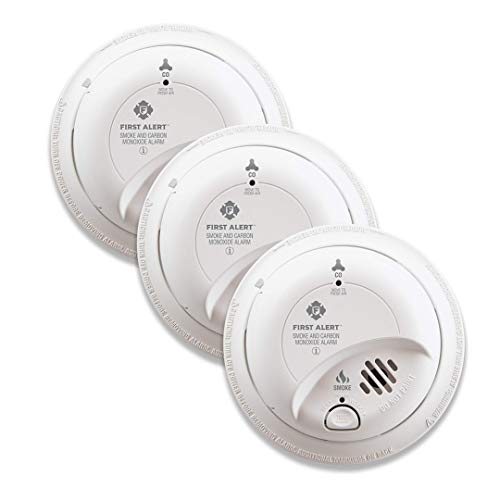
A basic battery‑operated CO alarm typically costs between $20 and $40 per unit. Models with digital displays, voice alerts, or smart‑home connectivity range from $50 to $120. Most homes need at least one detector on each level and near sleeping areas[1], so a three‑unit package can run $60 to $360 depending on features.
Professional installation adds labor fees, usually $75 to $150 per hour, with a typical job taking one to two hours. Some contractors bundle device purchase and installation for a flat rate of $200 to $500 for a standard single‑family home. If your home has hardwired electrical circuits, the cost may be higher because wiring work must meet local code.
DIY Installation vs Professional Installation
Many battery‑powered alarms are designed for simple DIY mounting: attach the bracket to the wall or ceiling with screws or adhesive, insert batteries, and test the unit. This approach saves labor costs and can be completed in under an hour per device. However, DIY placement must follow manufacturer guidelines — typically within 10 feet of each bedroom door and on every level — to ensure effective coverage.
Hardwired or interconnected systems often require running new wiring, connecting to the home’s electrical panel, and ensuring proper grounding. Mistakes can create fire hazards or leave detectors non‑functional. For these systems, hiring a licensed electrician or a certified fire‑protection contractor is strongly recommended. The added expense reduces risk of improper installation and may be required for code compliance in some jurisdictions.
Ongoing Maintenance and Replacement Costs
CO alarms have a limited sensor lifespan, usually five to seven years for electrochemical sensors and up to ten years for newer models. Manufacturers print a replacement date on the unit. Budgeting $20 to $120 per unit every five to seven years keeps protection current. Battery replacement for battery‑only units is needed annually or when the low‑battery chirp sounds, costing a few dollars per unit.


Smart detectors that connect to Wi‑Fi or a home‑automation hub may require firmware updates and occasional subscription fees for cloud monitoring services, typically $0 to $5 per month. While optional, these features can provide remote alerts and integration with other safety devices, adding convenience but also recurring cost.
Potential Savings from Early Detection
The primary financial benefit of CO mitigation is avoiding medical expenses, property damage, and loss of life. Emergency department visits for CO poisoning can cost several thousand dollars per person, and severe cases may require hyperbaric oxygen therapy costing tens of thousands. Early alarms give occupants time to evacuate and call emergency services, dramatically reducing the likelihood of severe outcomes.
Insurance companies sometimes offer modest premium discounts — often 2% to 5% — for homes equipped with monitored CO detection systems. Over a decade, a 3% discount on a $1,200 annual premium saves about $360, which can offset a portion of the initial investment. The non‑monetary value of protecting family members is difficult to quantify but is the core reason most safety experts recommend installation.
When to Call a Licensed Professional
If your home has an attached garage, fuel‑burning appliances (furnace, water heater, stove), or a fireplace, a professional can perform a comprehensive combustion‑appliance inspection and verify proper venting. This service typically costs $150 to $300 and can identify hidden CO sources that detectors alone cannot prevent.
Major renovations, addition of new gas lines, or conversion to a different heating system also warrant a licensed HVAC technician or plumber to ensure all combustion equipment meets current safety standards. In these cases, the cost of professional assessment is a small fraction of the potential liability from an undetected CO leak.
FAQ
How many CO detectors do I need for a two‑story house?
Place at least one detector on each level, including the basement, and one within 10 feet of each sleeping area. For a two‑story home with a basement, that usually means three to four units.
Can I rely solely on a smart CO detector that sends phone alerts?
Smart detectors add convenience but should meet the same UL 2034 or CSA 6.19 standards as traditional alarms[1]. They are not a substitute for proper placement and regular testing.
What is the typical lifespan of a CO alarm sensor?
Most electrochemical sensors last five to seven years; some newer models claim up to ten years. Check the manufacturer’s replacement date printed on the device[1].
Do I need a professional to test my CO detectors?
You can test alarms monthly using the test button. Professional testing is only needed if you suspect a malfunction, after a known CO event, or during a combustion‑appliance inspection.

Will installing CO detectors lower my homeowners insurance premium?
Some insurers offer a modest discount (typically 2‑5%) for monitored CO detection systems. Contact your provider to confirm eligibility and required documentation.
This guide provides general cost information and practical steps; it does not replace a professional safety assessment. If you have fuel‑burning appliances, an attached garage, or experience symptoms like headaches or nausea indoors, contact a licensed HVAC technician or fire‑protection professional immediately.
References
- U.S. Consumer Product Safety Commission. Carbon Monoxide Questions and Answers. CPSC
These statements have not been evaluated by the Food and Drug Administration. This information is not intended to diagnose, treat, cure, or prevent any disease. Content is for informational purposes only and is not medical advice; consult a qualified healthcare provider before starting any supplement. As an Amazon Associate we earn from qualifying purchases.