Carbon monoxide (CO) is a colorless, odorless gas that can accumulate in homes from fuel‑burning appliances, attached garages, or blocked vents. Many homeowners start with a store‑bought CO alarm or a DIY test kit, which can provide a basic snapshot of current levels.
However, DIY kits have limits in accuracy, duration of monitoring, and the ability to pinpoint hidden sources. Knowing when to move from a simple kit to professional carbon monoxide detection and home safety testing can protect your family and avoid costly remediation later.
- DIY kits give a single-point reading and cannot capture fluctuating CO levels over time.
- Professional testing provides continuous monitoring, combustion analysis, and a detailed report.
- Homes with multiple fuel‑burning appliances, attached garages, or unexplained health symptoms should prioritize professional assessment.
- Costs for professional testing ($250‑$600) are higher than DIY kits but can prevent larger expenses and health risks.
- Verify technician certifications, calibration records, and insurance before hiring.
Understanding DIY CO Test Kits: What They Do and Their Limits
Most DIY kits fall into two categories: single‑use colorimetric tubes that change color when exposed to CO, and battery‑operated digital meters that display a real‑time reading. Both give a momentary concentration in parts per million (ppm) but do not record trends over hours or days.
Because CO levels can fluctuate — especially when appliances cycle on and off — a single reading may miss peak exposures that occur at night or during specific weather conditions. Additionally, consumer‑grade sensors typically have a wider error margin (±20 % or more) than calibrated professional instruments, so a “safe” reading does not guarantee the absence of a hazard.
Situations That Call for Professional Carbon Monoxide Detection and Home Safety Testing
If your home has multiple fuel‑burning appliances (furnace, water heater, fireplace, stove), an attached garage, or a history of unexplained headaches, nausea, or flu‑like symptoms that improve when you leave the house, a professional assessment is warranted. A historical cohort study of acute CO poisoning in a regional Hong Kong hospital highlighted that delayed recognition of low‑level chronic exposure contributed to severe outcomes [1].
Other triggers include recent renovations that may have altered venting, a newly installed high‑efficiency furnace that requires precise combustion analysis, or a CO alarm that has sounded repeatedly without an obvious cause. In these cases, a trained technician can perform continuous monitoring, combustion analysis, and pressure testing to locate hidden leaks that a DIY kit cannot detect.
What Professional Testing Involves: Equipment, Protocols, and Reporting
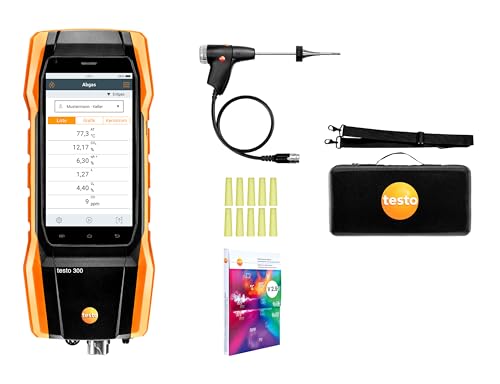
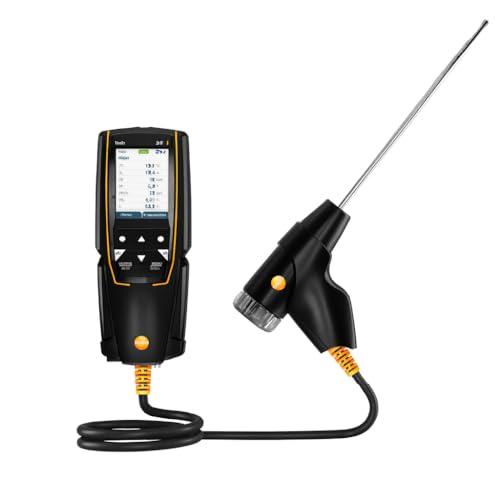
Professional carbon monoxide detection and home safety testing typically uses calibrated electrochemical or nondispersive infrared analyzers that log data at one‑minute intervals for 24‑48 hours. Technicians also conduct a combustion efficiency test on each appliance, measure draft pressure in flues, and inspect vent terminations for blockage or corrosion.
The final report includes time‑stamped concentration graphs, appliance‑specific emission rates, and a clear recommendation list — ranging from simple vent cleaning to appliance replacement. This documentation is valuable for insurance claims, real‑estate transactions, and guiding any needed remediation work.
Cost Comparison: DIY Kits vs. Professional Services
A basic DIY colorimetric tube kit costs $15‑$30, while a consumer digital CO meter runs $40‑$120. These are one‑time purchases but provide only a snapshot. Professional testing fees vary by region and scope; a comprehensive whole‑home assessment generally ranges from $250 to $600, with additional charges if combustion analysis or duct pressure testing is required.

Although the upfront cost is higher, professional testing can prevent expensive emergency repairs, medical bills, or liability issues. Many HVAC contractors offer a discounted “CO safety check” when bundled with seasonal furnace maintenance, which can bring the effective price closer to the DIY range while delivering far more actionable data.
How to Choose a Qualified Professional and Verify Credentials
Look for technicians certified by organizations such as the National Comfort Institute (NCI), the Building Performance Institute (BPI), or a state‑licensed HVAC contractor with specific CO combustion analysis training. Ask for proof of calibration records for their analyzers and request a sample report format before hiring.
Check online reviews, request references, and confirm that the provider carries liability insurance. A reputable professional will explain the testing protocol, discuss the limitations of the equipment, and provide a written summary that you can share with other contractors or your insurance company.
FAQ
Can a DIY CO alarm replace professional testing?
A DIY alarm is designed to alert you at dangerous concentrations (usually 70 ppm for 60‑240 minutes). It does not measure low‑level chronic exposure, identify the source, or provide documentation for remediation. Professional testing complements alarms by diagnosing the root cause.
How often should I schedule professional CO testing?
For most homes, an annual test during the heating season is sufficient. Increase frequency after major renovations, appliance replacements, or if an alarm has triggered repeatedly.
What should I do if professional testing finds elevated CO levels?
Immediately ventilate the area, shut off the suspected appliance, and contact a licensed HVAC or combustion specialist for repair. Do not re‑occupy the space until a follow‑up test confirms safe levels.
This article provides general guidance only and is not a substitute for medical evaluation or legal advice. If you suspect carbon monoxide exposure, evacuate the premises, seek fresh air, and contact emergency services. Always engage a licensed professional for definitive testing and remediation.
References
- Acute carbon monoxide poisoning in a regional hospital in Hong Kong: historical cohort study. Hong Kong medical journal = Xianggang yi xue za zhi, 2016
These statements have not been evaluated by the Food and Drug Administration. This information is not intended to diagnose, treat, cure, or prevent any disease. Content is for informational purposes only and is not medical advice; consult a qualified healthcare provider before starting any supplement. As an Amazon Associate we earn from qualifying purchases.
