Carbon monoxide is an odorless, colorless gas that can build up quickly from fuel‑burning appliances, vehicles, or blocked vents. Because you cannot see or smell it, a reliable detector is the primary way to get an early warning before concentrations become dangerous.
This guide walks you through the main categories of detectors, the certifications that matter, useful features, installation options, and realistic cost expectations. It also highlights when a licensed professional should be consulted for hardwired systems or whole‑home assessments.
- Choose detectors with a recognized certification (UL 2034, CSA 6.19, or EN 50291).
- Install at least one alarm per level and near every sleeping area.
- Prefer models with digital display, peak‑level memory, and end‑of‑life indication.
- Budget $20‑$150 per device depending on type; hardwired systems add installation cost.
- Test monthly, replace batteries annually, and replace units per the manufacturer’s schedule.
Understanding Detector Types
Plug‑in models with battery backup are the most common for existing homes. They draw power from an outlet and keep a battery ready for outages, making installation as simple as plugging them in. Battery‑only units are useful in locations without nearby outlets, such as garages or basements, but require regular battery checks.
Combination smoke and carbon monoxide alarms reduce the number of devices on the ceiling and can simplify maintenance. However, the sensor technologies differ, so verify that each function meets its own performance standard. Smart detectors connect to Wi‑Fi or a home‑automation hub, sending alerts to a phone and often providing peak‑level history, but they depend on a stable internet connection and may have higher upfront cost.
Hardwired detectors tie into the home’s electrical system and usually include interconnect wiring so that when one alarm sounds, all units sound [1]. These are typical in new construction or major renovations and generally require a qualified electrician for installation. Portable handheld meters are not a substitute for permanent alarms; they are best used by professionals for spot checks or diagnostic work.
Key Certifications and Standards to Look For
In the United States, look for the UL 2034 listing on the packaging or device label. This standard covers residential carbon monoxide alarms and defines performance criteria such as alarm thresholds at 70, 150, and 400 parts per million. In Canada, the equivalent is CSA 6.19, and in Europe the EN 50291 series applies. A device that carries the appropriate mark has been tested by an independent laboratory.
Combination smoke/CO alarms are listed to both UL 217 (smoke) and UL 2034 (CO); UL 2075 is a separate standard for system‑connected CO detectors wired to a control panel and does not apply to standalone household alarms. While multiple marks can indicate broader testing, the presence of at least one recognized listing is the minimum you should accept. Avoid products that only claim “meets standards” without a visible certification logo.

Features That Add Value
A digital display that shows the current CO concentration in parts per million lets you see low‑level trends before the alarm triggers. Peak‑level memory records the highest reading since the last reset, which can be useful for troubleshooting intermittent sources. An end‑of‑life indicator (often a chirp or light) tells you when the sensor has reached its rated service life, typically 5‑10 years.
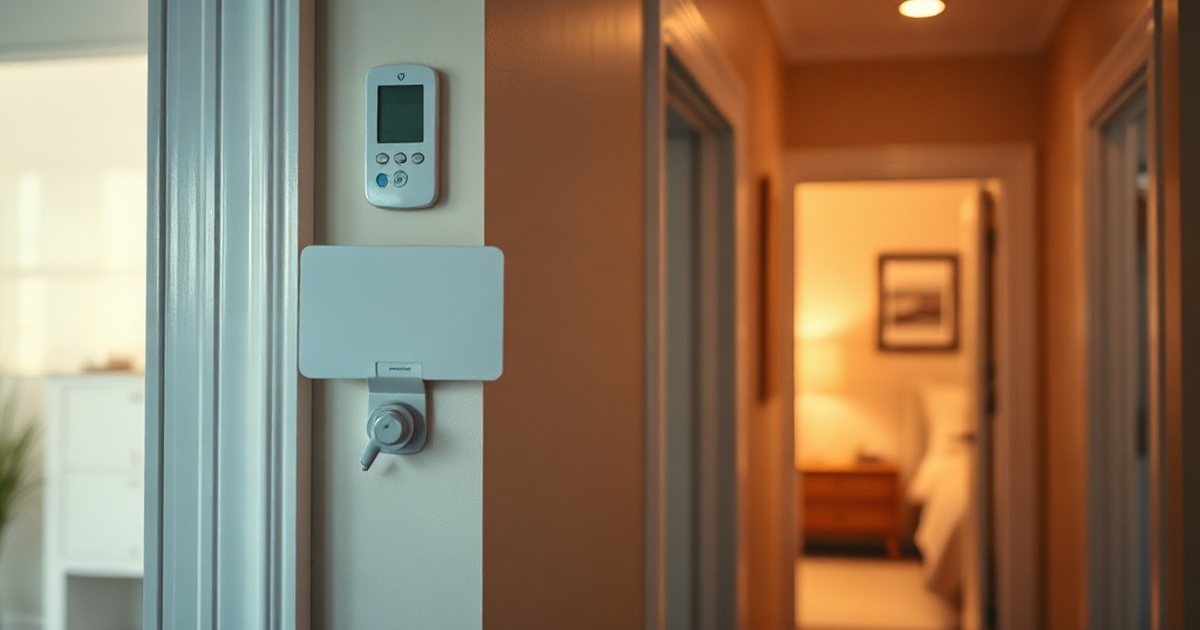
Voice alerts that announce “Carbon monoxide detected” can be clearer than a generic beep, especially for households with children or hearing‑impaired occupants. Interconnect capability — whether wired or wireless — ensures that an alarm on one floor triggers units throughout the house. Smart‑home integration adds remote notifications and the ability to silence false alarms from a phone, but remember that the core sensing function must still meet the same certification requirements.
Installation Options and Placement Tips
Place at least one detector on each level of the home, including the basement, and within 10 feet of each sleeping area. Mount units on the ceiling or high on the wall because carbon monoxide mixes evenly with air; avoid locations near windows, doors, or ventilation fans that could dilute the sample. Keep detectors at least 15 feet from fuel‑burning appliances to reduce nuisance alarms while still catching dangerous buildup.
For plug‑in models, choose an outlet that is not controlled by a wall switch. Battery‑only units should be mounted where the battery compartment is accessible for yearly replacement. Hardwired and interconnected systems are best handled by a licensed electrician, who can also verify that the wiring meets local code and that the interconnect circuit functions correctly.
Budgeting and Ongoing Maintenance
Basic plug‑in or battery‑only alarms typically cost $20‑$40 each. Combination smoke/CO units range from $35‑$70. Smart detectors with Wi‑Fi connectivity start around $80 and can exceed $150 for models with advanced analytics or professional monitoring subscriptions. Hardwired units plus professional installation often run $150‑$300 per location, depending on wiring complexity.
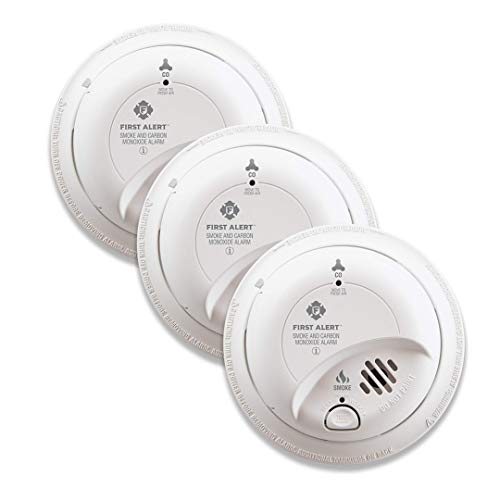
Plan to test each alarm monthly using the test button, replace batteries at least once a year (or when the low‑battery chirp sounds), and replace the entire unit according to the manufacturer’s end‑of‑life date — usually 5‑10 years from manufacture. Keep a simple log of installation dates and battery changes to avoid gaps in protection.
FAQ
Do I need a carbon monoxide detector if I have a smoke alarm?
Yes. Smoke alarms detect particles from fire, while carbon monoxide alarms detect a specific gas. They protect against different hazards, so both are recommended for complete home safety.
Can I install a hardwired carbon monoxide alarm myself?
Hardwired alarms connect to your home’s electrical system and often require interconnect wiring. Unless you are a licensed electrician, it is safer to hire a professional to ensure code compliance and reliable operation.
How often should I replace a carbon monoxide detector?
Most manufacturers specify a service life of 5 to 10 years. Check the end‑of‑life indicator or the manufacture date on the back of the unit and replace it when that period expires.
Are smart carbon monoxide detectors worth the extra cost?
Smart models add remote alerts, history logs, and integration with other devices. They are valuable if you want notifications while away from home, but the core sensing performance must still meet the same certification standards as basic alarms.
This guide provides general product information and is not a substitute for a professional home safety assessment. If you suspect a carbon monoxide leak, experience symptoms like headache or nausea, or have complex heating systems, contact a licensed HVAC technician or qualified inspector immediately.
References
- Carbon Monoxide Alarms: Protect Your Family and Yourself (infographic text). U.S. Environmental Protection Agency
These statements have not been evaluated by the Food and Drug Administration. This information is not intended to diagnose, treat, cure, or prevent any disease. Content is for informational purposes only and is not medical advice; consult a qualified healthcare provider before starting any supplement. As an Amazon Associate we earn from qualifying purchases.