CO risk doesn’t follow a simple age-based pattern the way some hazards do — it relates more to specific appliance condition and venting.
- Appliance age and maintenance matter more than the home’s overall construction date.
- Venting/flue system condition is a common risk factor across homes of any age.
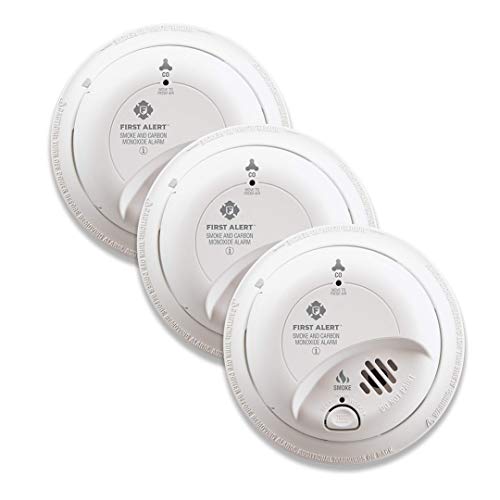
- CO detector installation is universally recommended regardless of home or appliance age.
- This differs from hazards like lead paint where construction date is a strong risk indicator.
Appliance Age and Maintenance Matter More Than Home Age
An older furnace or water heater (regardless of the home’s overall construction date) with deferred maintenance carries elevated malfunction risk — a newer home with an aging, poorly maintained appliance can face similar risk to an older home.
The reason home age is such a weak predictor is that carbon monoxide is produced by combustion happening now, not by the year a foundation was poured. A twenty-year-old furnace serviced annually and a five-year-old furnace never serviced are not ranked the way the build dates suggest. What actually predicts risk is the age and service history of the specific appliances, and whether their venting is intact.
Venting System Condition
Blocked, cracked, or improperly installed venting/flue systems are a common CO risk factor across homes of any age — this is a maintenance and installation quality issue, not strictly an age issue.
Venting is where the two eras genuinely differ, though not in one direction. Older homes more often have masonry chimneys with deteriorating liners, and flues originally sized for a much larger appliance that no longer match what is connected to them. Newer homes concentrate the risk in sealed plastic venting runs and their outdoor terminations, which fail by obstruction rather than by decay. Both are failure modes, they just need to be inspected differently.
Why Detector Installation Matters Universally
Regardless of home or appliance age, CO detector installation is universally recommended given how quickly and silently a malfunction can develop — this isn’t a hazard where you can reasonably deprioritize detection based on newer construction.

Renovation Is the Event That Changes Risk in Either House
The sharpest change in CO risk in either an old or a new home usually arrives with a renovation rather than with another year of age. Air sealing and window replacement reduce the leakage an older house was implicitly relying on. Adding a powerful range hood, a new dryer, or a whole-house fan increases depressurisation. Finishing a basement can enclose an appliance that was previously in an open, ventilated space, or convert a room next to the furnace into a bedroom.
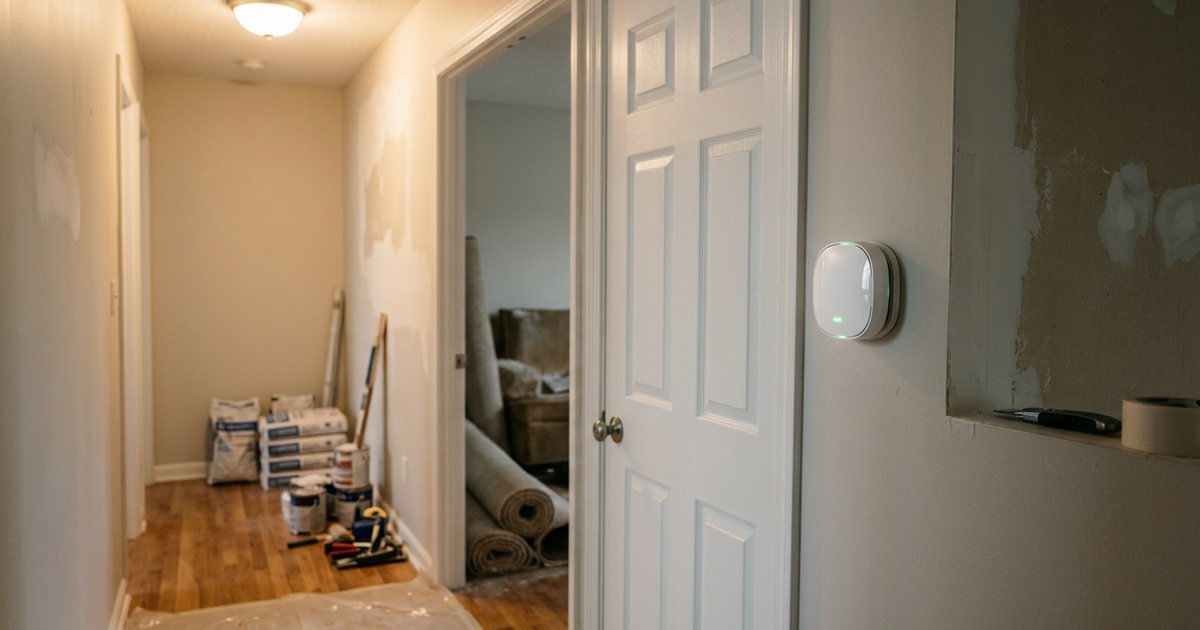
Any of these can change how an existing, unmodified appliance vents, which is why the appliance can start behaving differently without anyone touching it. Treat a significant renovation as a trigger for a combustion safety check afterwards, and revisit detector placement, because a finished basement or a converted attic is a new sleeping area that the original alarm layout did not account for. This applies at any build year, which is the practical answer to the old-versus-new question.
FAQ
Does a new home need CO detectors as much as an older one?
Yes — CO risk relates to appliance condition and venting, not construction date specifically. Detectors are universally recommended regardless of home age.
Which matters more, the age of the house or the age of the furnace?
The appliance, and more precisely its service history. An older, well-maintained and correctly vented appliance is generally a lower concern than a newer one that has never been inspected, because carbon monoxide comes from how combustion is running now rather than from the construction date.
Do I need another check after finishing a basement?
It is worth doing. Finishing a basement can enclose a previously open appliance, change airflow around it, and add a sleeping area the original detector layout did not cover. A combustion safety check afterwards, plus a review of detector placement, addresses both.
Regardless of home age, ensure functioning CO detectors and regular combustion appliance maintenance.
These statements have not been evaluated by the Food and Drug Administration. This information is not intended to diagnose, treat, cure, or prevent any disease. Content is for informational purposes only and is not medical advice; consult a qualified healthcare provider before starting any supplement. As an Amazon Associate we earn from qualifying purchases.
