Top Picks
These are the products we currently recommend, chosen from what we have reviewed across the site. Each pick lists what it is good for and who it suits, so you can match one to your situation rather than defaulting to the cheapest listing.
As an Amazon Associate we earn from qualifying purchases. This does not change what you pay.
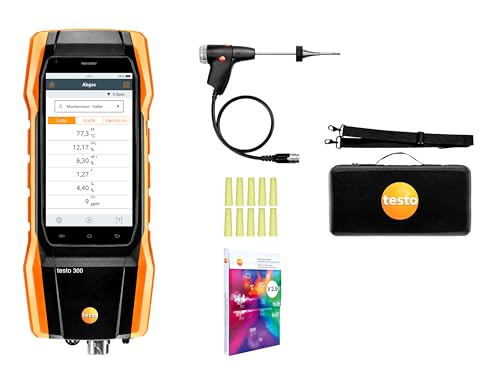
This is the instrument a paid combustion-safety inspection is performed with. If you are servicing multiple systems, running a trade business, or you want the same test a technician would document rather than a pass/fail guess, this is the tier that produces a real, printable combustion report.
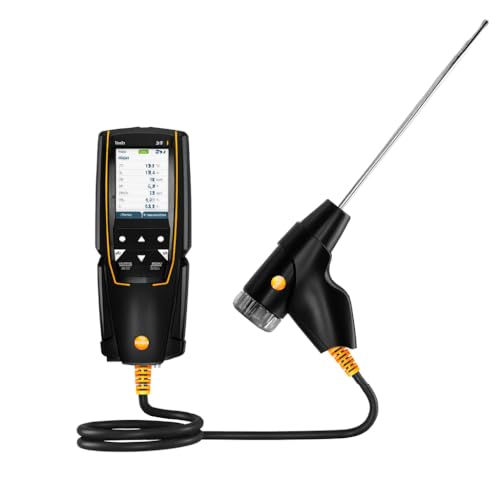
Finding CO is not the same as fixing the appliance making it. A combustion analyzer reads O2, CO, flue temperature and draft together, which is what tells you whether a furnace is under-firing, over-firing, or venting into the house rather than up the chimney.

Diffusion meters read the air where you stand. A pump lets you pull a sample from where the problem actually is: inside a flue, at a draft hood, at a burner, behind a water heater. That is how you tell a spilling appliance from a room that happens to be stuffy.

If the number is going into a landlord dispute, an insurance claim, a real estate negotiation or a doctor’s file, an uncalibrated consumer gadget is not evidence. A NIST-traceable calibration certificate is what makes a reading something another party has to take seriously.

UL-listed household alarms are deliberately deaf to low-level CO: many will not sound until 70 ppm has held for over an hour. Chronic headaches and fatigue happen well under that. A handheld meter reads from single-digit ppm, which is the range where a slow, ongoing problem is actually diagnosable.
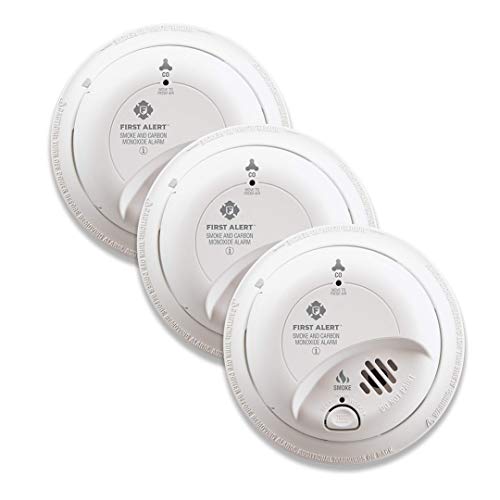
Standalone alarms only wake the room they are in. Hardwired interconnected units sound every alarm in the house at once, which is what most building codes require for new construction and what actually gets a sleeping family out of a house filling with CO from the basement.