Confirming remediation success closes the loop and provides genuine assurance the issue is resolved.
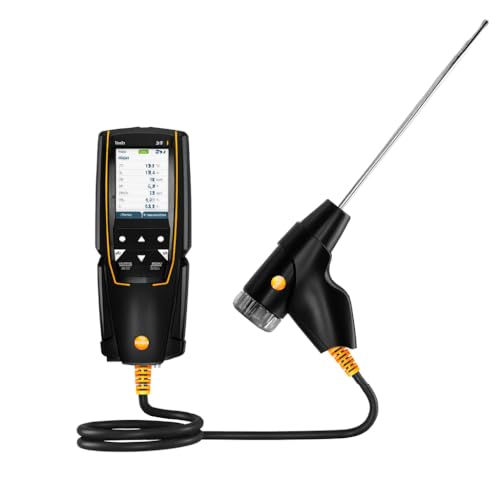
- The technician should perform combustion analyzer testing immediately after repair.
- Ongoing detector monitoring provides continuous confirmation the fix continues holding.
- A second independent assessment is a reasonable step if lingering concerns persist.
- Combining immediate professional verification with ongoing detector monitoring provides genuine assurance.
Immediate Post-Repair Testing
The technician should perform combustion analyzer testing immediately after the repair, confirming CO output is within normal parameters before calling the job complete.
Ongoing Detector Confirmation
Beyond the immediate professional verification, your detectors provide the ongoing, ordinary-use confirmation that the fix continues holding over time.
What to Do If Concerns Persist
If you have any lingering concern after a repair, a second independent combustion assessment provides additional assurance — a reasonable step given the acute safety stakes involved.

What Finished Work Should Leave Behind
The most useful thing a completed repair produces, apart from the repair itself, is a written account of it. That normally means a description of what was found, what was changed or replaced, and what was checked afterwards, in enough detail that a different technician could pick up the history later without starting over.
Ask for it while the work is fresh rather than months afterwards. Documentation requested at the time tends to arrive complete, and it becomes the reference point for every later question about whether a recurring symptom is a new problem or the old one returning.
The Difference Between Fixed and Confirmed
A repair that appears successful and a repair that has been shown to be successful are not the same claim, and it is worth being clear about which one you have been given. A technician stating that an appliance now vents correctly is a professional judgement; a record of what was measured or observed after the work is evidence you can keep.
Where a verification step was performed, the useful detail is what it covered. Work on one appliance says little about the others in the building, and a check carried out under one set of conditions may not describe how the system behaves when several things are running at once.
Your Own Observation in the Weeks That Follow
After the work is done, the household is the longest-running observer of the result. Symptoms that had prompted the original concern, unusual appliance behaviour, and any alarm activity are all worth noting with rough dates, because a pattern is far easier to describe from notes than from memory.
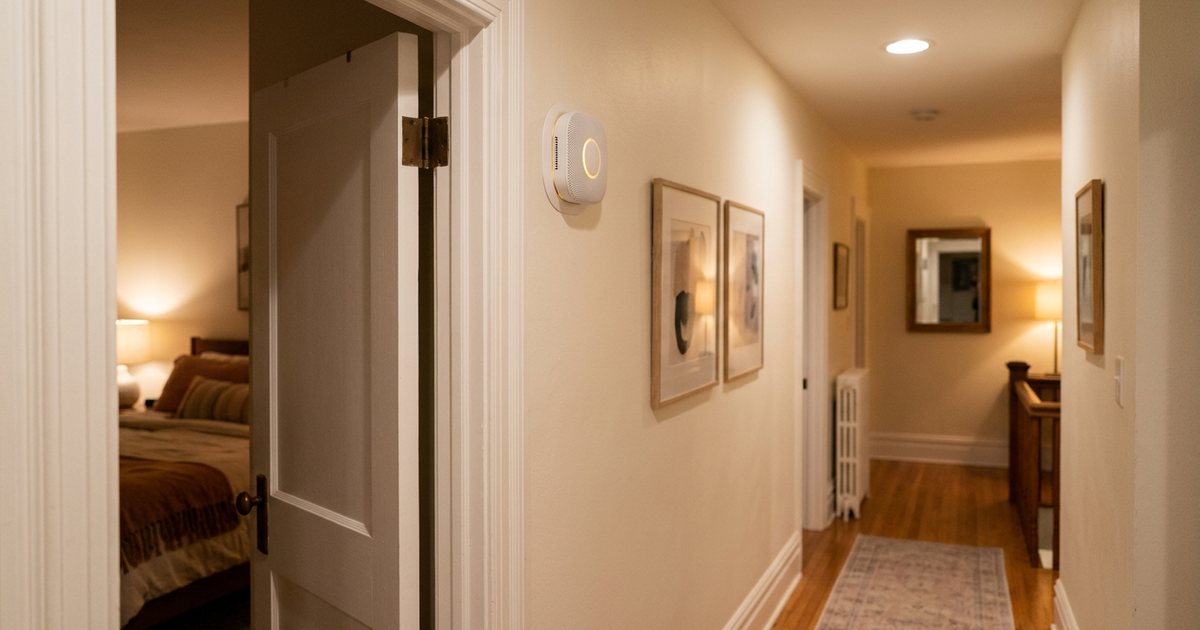
None of this replaces the equipment. Alarms remain the mechanism that reports a problem in real time, and an alarm sounding after a completed repair is treated the same way as one sounding before it: leave, get fresh air, and seek help from outside the building rather than deciding first whether the repair failed.
FAQ
How do I know for certain my CO issue is fixed?
Combine immediate post-repair combustion testing (performed by the technician) with ongoing detector monitoring for the most complete confirmation.
The work is done and nothing has gone off since. Is that confirmation?
It is reassuring but it is not the same as verification, because an alarm reporting nothing is consistent with a fixed problem, an intermittent one, or a unit that is no longer working. Records of what was checked carry more weight.
What should I keep after remediation work?
The written description of the work, anything documenting checks performed afterwards, and your own dated notes of how the household has been since. Together they answer the questions that come up if a concern returns.
Never consider a CO issue fully resolved without both immediate professional verification and ongoing detector monitoring in place.
These statements have not been evaluated by the Food and Drug Administration. This information is not intended to diagnose, treat, cure, or prevent any disease. Content is for informational purposes only and is not medical advice; consult a qualified healthcare provider before starting any supplement. As an Amazon Associate we earn from qualifying purchases.
