New construction homes benefit from current code requirements and modern appliance efficiency, though prevention still requires ongoing attention.
- New construction typically includes code-mandated, built-in detector installation.
- Modern high-efficiency appliances generally carry lower baseline combustion issue risk.
- Ongoing detector maintenance and eventual professional assessment are still required.
- Lower starting risk in new construction doesn’t eliminate ongoing homeowner responsibility.
Code-Mandated Detector Installation
New construction typically includes CO detectors as a built-in code requirement, installed and inspected as part of the standard construction and occupancy process.
Code-mandated installation at construction is a real advantage, and it is worth knowing what it does and does not guarantee. It generally means alarms were present, of an approved type, and positioned to the code in force on the day of the final inspection. It does not mean anything about the years afterwards, and the code in force at construction is a snapshot rather than a standing commitment.
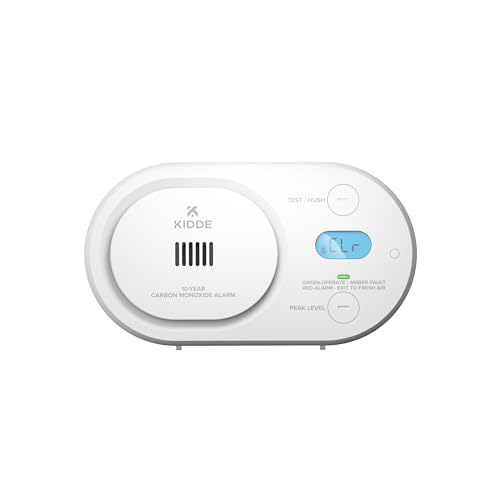
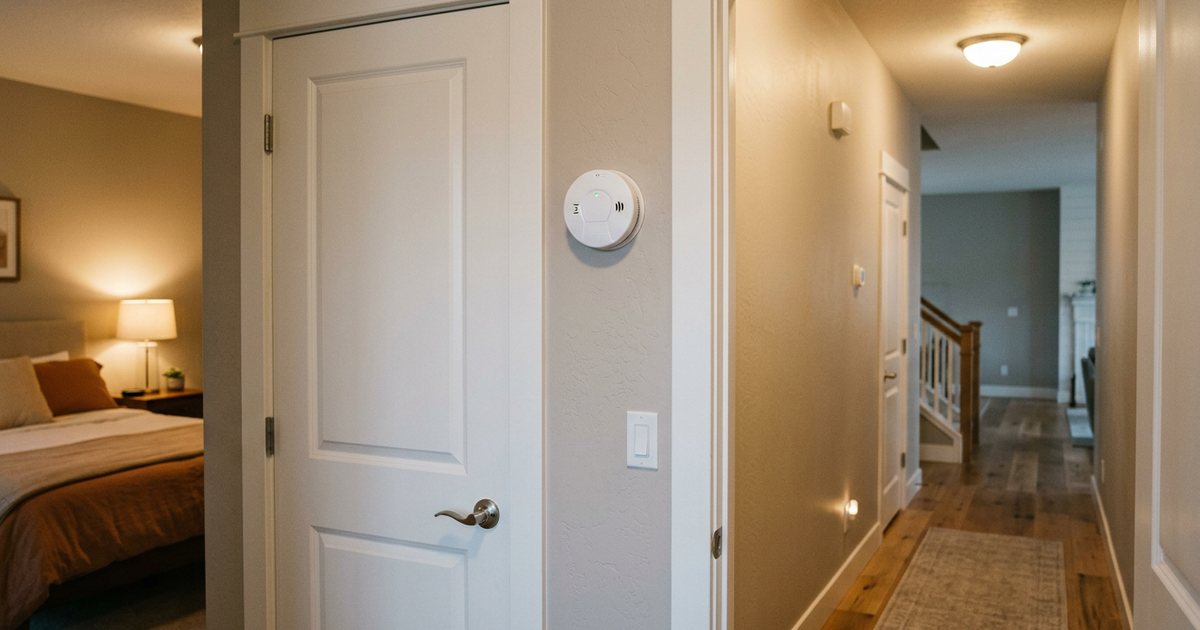
The practical follow-up for a new owner is to establish two facts on move-in: the manufacture date on each installed unit, which starts the replacement clock and is not the same as the closing date, and whether the units are hardwired and interconnected or standalone, which determines whether an alarm in the basement is audible in an upstairs bedroom.
Modern High-Efficiency Appliances
New homes typically feature modern, high-efficiency fuel-burning appliances with generally lower baseline combustion issue risk compared to older equipment.

High-efficiency sealed-combustion appliances change the risk profile rather than removing it. Drawing combustion air from outside and venting through a dedicated sealed pathway is a genuine improvement over an open-combustion appliance sharing indoor air. The dependency simply moves: the safety now rests on the integrity of that sealed venting run, and on its terminations staying clear.
Why Ongoing Maintenance Still Matters
Despite this lower baseline risk, new construction still requires ongoing detector battery maintenance and eventual professional assessment scheduling — a lower starting risk doesn’t mean zero ongoing responsibility.
The New-Build Failure Modes Nobody Expects
Two things go wrong in new construction specifically, and neither is about equipment quality. The first is blocked terminations. High-efficiency appliances vent through a sidewall or roof termination that sits low enough to be obstructed by snow drift, landscaping, a later deck build, or a nest. A blocked termination on a sealed-combustion appliance is a direct route to spillage, and it is the single most worthwhile thing to walk outside and look at each season, particularly after heavy snow.
The second is tightness. Modern envelopes are deliberately airtight, which is good for energy and unforgiving of any unvented combustion. In a tightly built house, a running range hood, a dryer or a bathroom fan can depressurise the space enough to affect how an appliance vents. The same tightness means that any CO which does enter disperses far more slowly than it would in an older, leakier house. New construction is not a reason to skip detectors; the airtightness that makes it efficient is exactly what makes detection matter.
FAQ
Do I still need to think about CO safety in a brand-new home?
Yes — while new construction has code-mandated detectors and modern appliances, ongoing maintenance (battery replacement, eventual professional assessment) is still your responsibility.
The builder installed the alarms, so are they good for ten years?
Check the manufacture date printed on each unit rather than counting from your move-in date. Units can sit in a warehouse and then in a house awaiting sale, so the sensor clock may already have been running for a while before anyone lived there.
Do I need to add detectors if the builder met code?
Meeting code is a minimum rather than an optimum, and codes vary. Confirm there is coverage on every level and near every sleeping area, and consider adding units near, but not immediately adjacent to, fuel-burning appliances and any door to an attached garage.
Don’t assume a new home’s built-in compliance eliminates the need for ongoing detector maintenance.
These statements have not been evaluated by the Food and Drug Administration. This information is not intended to diagnose, treat, cure, or prevent any disease. Content is for informational purposes only and is not medical advice; consult a qualified healthcare provider before starting any supplement. As an Amazon Associate we earn from qualifying purchases.
