Beyond home exposure, certain occupations carry elevated CO exposure risk worth understanding separately.
- Certain occupations (enclosed combustion-equipment spaces) carry elevated CO exposure risk.
- OSHA sets permissible exposure limits for workplace CO concentration.
- Employers in relevant industries are required to monitor and control workplace exposure.
- Ask your employer directly about monitoring if you work in a potentially at-risk setting.
At-Risk Occupations
Workers in enclosed spaces with combustion engines or equipment (parking garage attendants, warehouse forklift operators, certain manufacturing roles) face occupational CO exposure risk beyond typical home exposure.
OSHA Exposure Limits
OSHA sets permissible exposure limits for workplace CO concentration, and employers in relevant industries are required to monitor and control exposure to stay within these limits.

What Workers Can Do
If you work in a potentially at-risk occupational setting, ask your employer about workplace CO monitoring and don’t hesitate to report symptoms or a suspected exposure concern.
Why Workplace Exposure Behaves Differently From Home Exposure
Household exposure is usually episodic and tied to a fault, such as an appliance that has begun to vent poorly. Occupational exposure is more often routine, arising from equipment that is meant to be running and from work that keeps someone near it for a full shift rather than for a few minutes.
That difference matters for how a problem is noticed. A fault at home tends to announce itself as a change, while a workplace pattern can feel like the normal condition of the job. Symptoms that recur at work and ease on days off are the kind of pattern worth raising, because the regularity is the signal.
What to Ask Your Employer, and How to Ask It
Employers in affected industries generally have obligations around monitoring and controlling workplace exposure, and the practical way into that is to ask specific questions rather than general ones. Whether monitoring is done, how often, where the equipment sits and who reviews the results are all answerable questions with a paper trail behind them.
It also helps to ask what happens when a reading is high, since a monitoring programme with no defined response is monitoring in name only. Asking in writing, through whatever channel your workplace normally uses for safety matters, keeps the request routine and leaves a record of it.
Ventilation, Equipment Choice and the Limits of Personal Habit
The most effective controls in a workplace are structural rather than personal. Moving combustion equipment outside an enclosed space, choosing electric equipment where the work allows it, and ventilating deliberately rather than by opening a door all reduce exposure for everyone present, not just the person who happened to be careful.
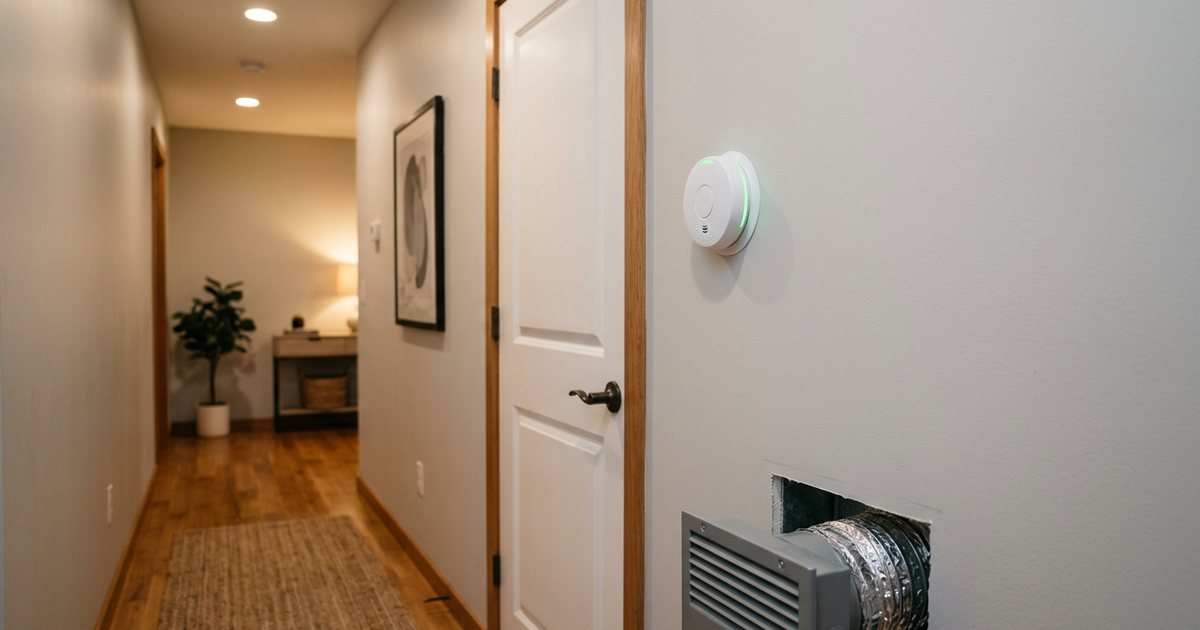
Personal habits still matter, but they sit downstream of those decisions. If the only protection available to you is your own vigilance during a shift, that is itself worth reporting, because it usually indicates a control that is missing rather than a worker who is insufficiently attentive.
FAQ
Does OSHA regulate workplace CO exposure?
Yes — OSHA sets permissible exposure limits, and employers in relevant industries are required to monitor and control workplace CO concentration.
My symptoms clear up on my days off. Is that meaningful?
A pattern that tracks your schedule is worth describing to a clinician, and worth raising at work, because the timing is information that a single measurement taken later may not capture.
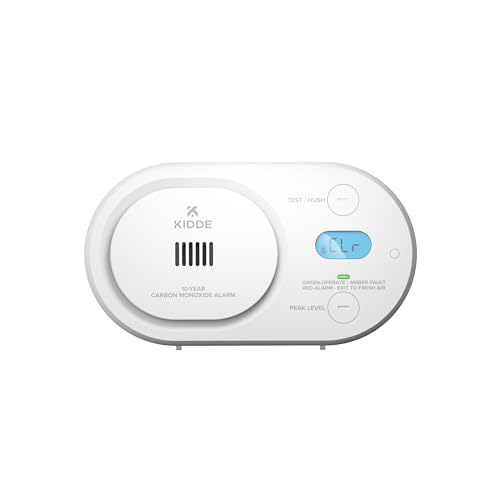
Can I use a home detector at work?
A household unit is designed for a home environment and is not a substitute for an employer’s monitoring programme. It may still be useful as a prompt to ask what formal monitoring exists, rather than as the monitoring itself.
Report any suspected occupational CO exposure concern to your employer and, if needed, seek medical evaluation.
These statements have not been evaluated by the Food and Drug Administration. This information is not intended to diagnose, treat, cure, or prevent any disease. Content is for informational purposes only and is not medical advice; consult a qualified healthcare provider before starting any supplement. As an Amazon Associate we earn from qualifying purchases.
