CO exposure during pregnancy carries specific elevated concerns given the effect on oxygen delivery to a developing fetus.
- CO binds to hemoglobin more readily than oxygen, reducing oxygen delivery throughout the body.
- A developing fetus is particularly sensitive to reduced oxygen availability during critical development periods.
- Medical literature documents CO exposure during pregnancy as a specific concern for fetal development.
- Seek immediate medical evaluation after any suspected exposure during pregnancy, even at seemingly mild symptom levels.
Why Pregnancy Increases Risk
CO binds to hemoglobin more readily than oxygen, reducing oxygen delivery throughout the body — a developing fetus is particularly sensitive to this reduced oxygen availability during critical development periods.
Documented Concerns
Medical literature documents CO exposure during pregnancy as a potential concern for fetal development, making even moderate exposure levels a reason for prompt medical evaluation during pregnancy specifically.

What Pregnant Individuals Should Do
Seek immediate medical evaluation after any suspected CO exposure during pregnancy, even at symptom levels that might otherwise seem mild, given the specific fetal sensitivity involved.

Why the Usual Warning Signs Are Harder to Read
Several of the effects commonly associated with early exposure, including tiredness, headaches, light-headedness and nausea, overlap with experiences that are already common during pregnancy. That overlap does not make exposure more likely, but it does make it easier to attribute a symptom to the pregnancy and stop there.
The practical consequence is that the environment deserves more weight than usual in the explanation. Symptoms that improve on leaving the house, or that appear alongside a change in how an appliance is running, are describing the building rather than the pregnancy, and that distinction is worth raising with a clinician rather than resolving alone.
Household Decisions That Are Worth Making Earlier
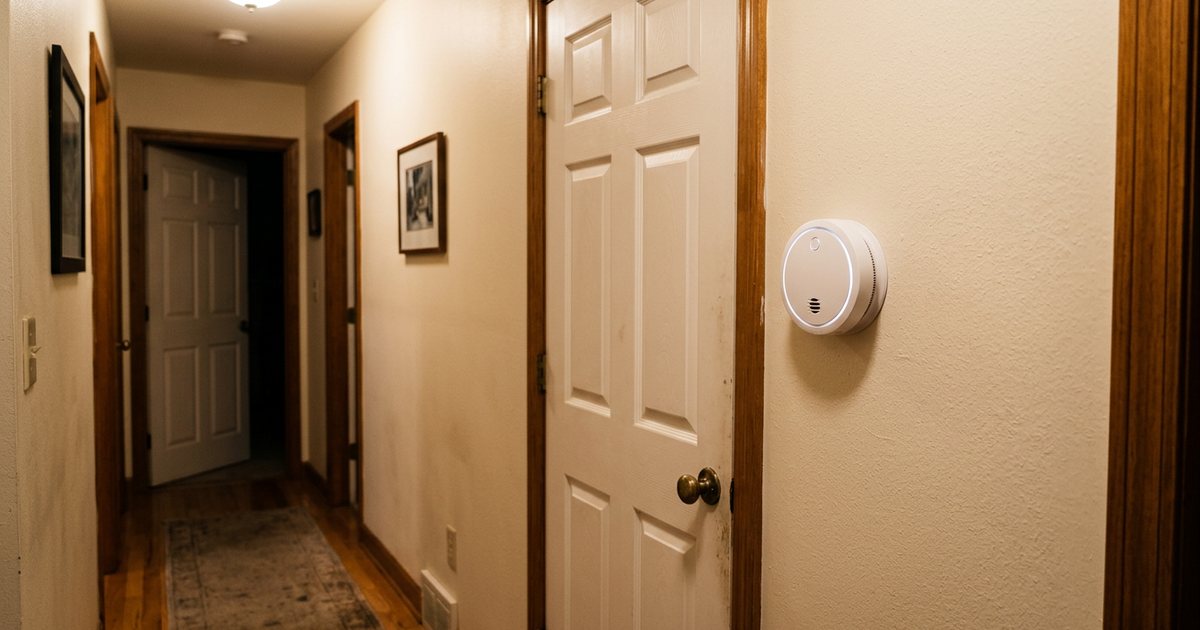
Pregnancy tends to come with a period of preparation, and that is a practical moment to deal with combustion appliances rather than a stressful one later. Confirming that heating equipment has been serviced, that alarms are present where guidance calls for them, and that none of them are near the end of their stated service life are all tasks that are easier to do in advance.
Nursery preparation is worth thinking about in the same pass. Rooms that were previously little used may be about to become sleeping areas, and a space that was never treated as one may not have been included when alarms were originally placed.
Renovation, Ventilation and Temporary Equipment
Preparing a home often means work happening inside it, and some of that work introduces combustion equipment that does not normally live indoors. Fuel-burning tools, temporary heaters and anything running in an attached garage are the recurring examples, and they tend to be present exactly when windows are closed against the weather.
It is reasonable to ask that such equipment stay outside enclosed spaces while you are in the building, and to arrange to be elsewhere while particular tasks are carried out. Neither request is unusual to make of a contractor, and both are easier to raise before the work starts than partway through it.
FAQ
Should I go to the doctor even for mild CO symptoms if I’m pregnant?
Yes — given the specific fetal sensitivity to reduced oxygen delivery, prompt medical evaluation is warranted even at symptom levels that might otherwise seem mild.
Should I have extra alarms while pregnant?
Coverage guidance is usually expressed in terms of levels of the home and sleeping areas rather than in terms of who lives there. What often changes during pregnancy is which rooms count as sleeping areas.
What should I do if an alarm sounds while I am pregnant?
The response is the same as for anyone else and should not be delayed to weigh it up: leave the building for fresh air and seek help from outside it. Mention the pregnancy when you describe what happened.
Always seek immediate medical evaluation for any suspected CO exposure during pregnancy, regardless of symptom severity.
These statements have not been evaluated by the Food and Drug Administration. This information is not intended to diagnose, treat, cure, or prevent any disease. Content is for informational purposes only and is not medical advice; consult a qualified healthcare provider before starting any supplement. As an Amazon Associate we earn from qualifying purchases.
