Landlords carry specific, often legally codified CO prevention responsibilities distinct from single-family homeowner obligations.
- Many states require landlords to install and maintain functioning CO detectors in rental units.
- Landlords are generally responsible for maintaining fuel-burning appliances in safe condition.
- Documented maintenance and assessment records protect landlords from liability.
- This is a codified obligation, not just a best practice recommendation, in many states.
Detector Installation and Maintenance Requirements
Many states specifically require landlords to install and maintain functioning CO detectors in rental units, with documented compliance sometimes required for lease renewal or sale.
Appliance Maintenance Obligations
Landlords are generally responsible for maintaining fuel-burning appliances (furnaces, water heaters) in safe, properly functioning condition as part of habitability requirements.

Documentation and Liability Considerations
Keeping documented records of detector installation, maintenance, and any professional appliance assessments protects landlords from liability while demonstrating compliance.
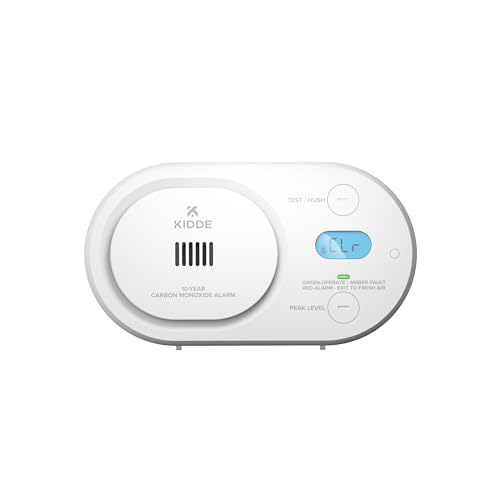
Turnover Is the Natural Inspection Point
The gap between one tenancy and the next is the only moment when a landlord reliably has access to an empty property, and it is therefore the most practical place to anchor a detector and appliance routine. Work scheduled around turnover does not depend on arranging access with someone who is living there.
Building the same checks into every changeover also makes the programme consistent across a portfolio rather than dependent on which property last prompted attention. Consistency is what makes the records comparable later, which is most of their value.
Records Are the Part That Is Usually Thin
Landlords commonly do the work and document it poorly, which leaves them in the position of having acted without being able to show it. Dates, what was installed or serviced, and who carried it out are the details that turn a habit into a record, and they are far easier to capture at the time than to reconstruct.
Keeping tenant-facing communication in the same place is worth the small effort. Notices about access, reported faults and what was done in response describe a responsive process, and that history is the context for any later question about a particular property.
Access, Reporting and Making It Easy to Tell You
A programme depends on hearing about problems between inspections, which means tenants need an obvious way to report an alarm sounding, a chirping unit or an appliance behaving oddly. Where reporting is awkward, faults get lived with rather than reported, and the first you hear of them is at the next changeover.
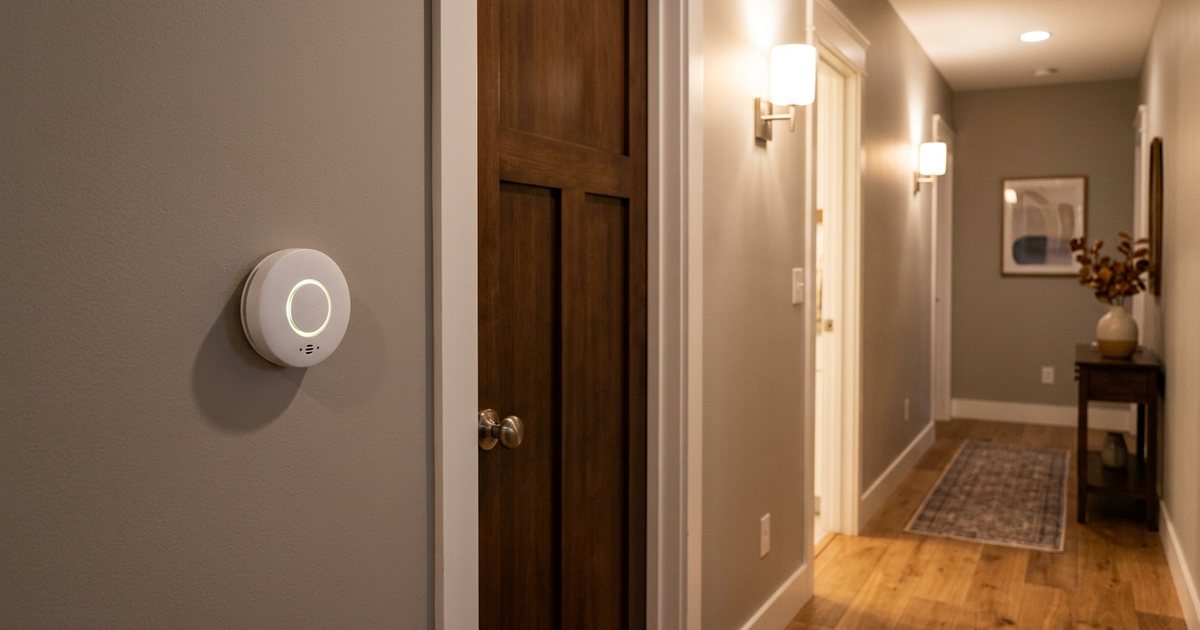
It helps to be explicit that a sounding alarm is an emergency to be treated as one, with the building left and help sought from outside, rather than something to raise with the landlord first and act on afterwards. Saying so in writing removes the hesitation that costs time.
FAQ
What happens if a landlord doesn’t maintain CO detectors as required?
Consequences vary by state but can include fines, liability exposure in the event of an incident, and tenant legal remedies — confirm your specific state’s requirements and enforcement mechanisms.
Should detectors be replaced between every tenancy?
Not necessarily, since replacement is normally driven by the unit’s service life rather than by occupancy. Turnover is simply a convenient moment to check where each unit is in that life.
What is the most useful record to keep?
A dated log per property covering installation, servicing, tenant reports and the response to them. It answers most questions that arise later, and it is cheap to maintain if entries are made as things happen.
Confirm your specific state’s landlord CO compliance requirements rather than assuming general practices are sufficient.
These statements have not been evaluated by the Food and Drug Administration. This information is not intended to diagnose, treat, cure, or prevent any disease. Content is for informational purposes only and is not medical advice; consult a qualified healthcare provider before starting any supplement. As an Amazon Associate we earn from qualifying purchases.
