Several persistent myths about CO prevention can lead to a false sense of security if left unaddressed.
- CO is completely odorless and colorless — you cannot smell it coming, making a detector essential.
- Properly maintained gas appliances are safe — risk comes from malfunction or improper venting.
- Even new homes with modern appliances still require functioning detectors.
- Debunking these myths prevents a false sense of security that could delay proper prevention action.
Myth: You Can Smell CO Coming
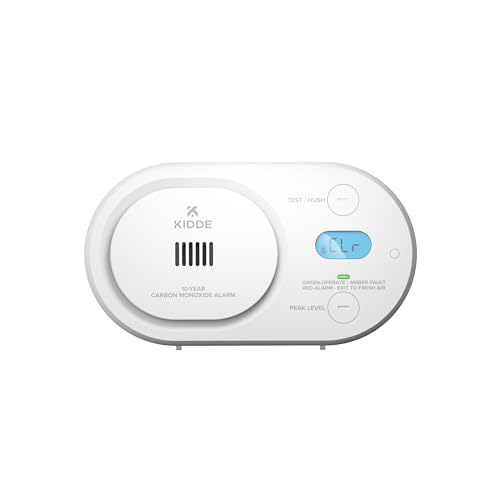
CO is completely odorless and colorless — you cannot smell, see, or taste it, making a functioning detector the only reliable detection method (this is the single most important myth to debunk).
Myth: Gas Appliances Are Inherently Dangerous
Properly installed, maintained, and vented gas appliances are safe — the risk comes from malfunction or improper venting, not from gas appliances existing in the home at all.

Myth: New Homes Don’t Need Detectors
Even new construction with modern, efficient appliances still requires functioning detectors — lower baseline risk doesn’t mean zero risk.
Why These Beliefs Are So Durable
What the three myths above have in common is that each one is a reasonable generalisation applied to the one situation where it does not hold. People really can smell most household hazards, gas appliances really are safe in the ordinary case, and newer homes really do have fewer problems of most kinds. None of those instincts is stupid. They are simply calibrated against hazards that announce themselves, and carbon monoxide does not.
That is also why correcting them once is rarely enough. A belief that is wrong because it is poorly informed tends to give way to a single good explanation. A belief that is wrong because it is a sound rule applied slightly out of range keeps regenerating, because the rule underneath it goes on being useful everywhere else in the house.
What a False Sense of Security Actually Changes
The cost of these myths is not that someone holds a wrong opinion. It is that the wrong opinion quietly removes steps. A household that expects to notice a problem does not treat a detector as essential equipment, so a dead unit stays on the wall unreplaced and a missing one on a sleeping level never gets bought. A household that believes new construction is exempt skips the annual professional service on the heating system that agency guidance treats as routine maintenance rather than as a response to a suspicion.
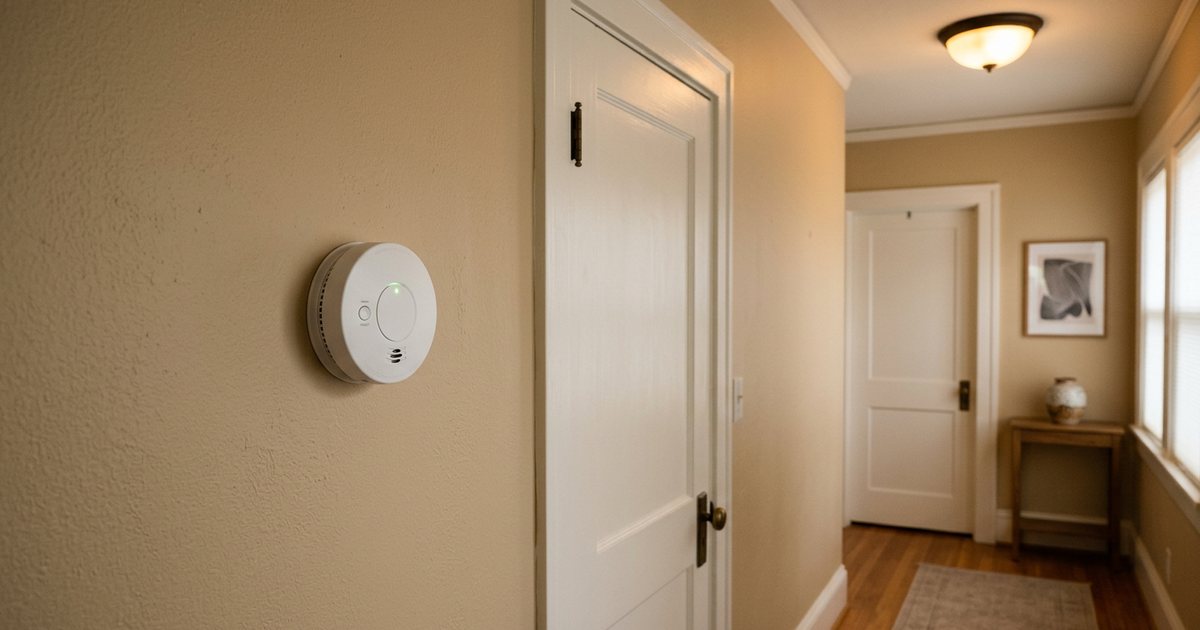
The same reasoning distorts the moment that matters most. Someone who believes they would smell a problem has an explanation ready for a headache that arrives indoors and fades outdoors, and that explanation is almost always something ordinary. The value in dismantling these beliefs ahead of time is that it leaves the pattern visible when it happens, rather than pre-explained.
FAQ
Is it true you’ll smell something before CO becomes dangerous?
No — this is one of the most dangerous myths. CO is completely odorless and colorless, which is exactly why a functioning detector is essential rather than optional.
If I have never had a problem, is not that evidence my home is fine?
It is evidence about the past rather than about the present. The conditions that produce carbon monoxide are things that change with time and use, such as an appliance wearing, a flue becoming blocked or a vent being disturbed by work elsewhere in the house. A clean history is a reason to keep up maintenance, not a reason to stop.
Which of these myths is the most dangerous one to hold?
The belief that you would notice. Carbon monoxide is odorless and colorless, so the assumption that your senses are a backup removes the only real warning you have and replaces it with nothing.
Never rely on smell, sight, or taste to detect CO — only a properly functioning detector provides reliable warning.
These statements have not been evaluated by the Food and Drug Administration. This information is not intended to diagnose, treat, cure, or prevent any disease. Content is for informational purposes only and is not medical advice; consult a qualified healthcare provider before starting any supplement. As an Amazon Associate we earn from qualifying purchases.
