CO detector sensor lifespan is a specific, manufacturer-defined timeframe worth understanding to avoid using an expired unit unknowingly.
- Most detectors have a functional sensor lifespan of 5-10 years depending on model.
- Check the manufacturer’s label or manual for your specific unit’s end-of-life date.
- Sensor accuracy degrades gradually past end-of-life, potentially without obvious symptoms.
- Replace proactively per the manufacturer’s date rather than waiting for an obvious failure sign.
Typical Lifespan Range
Most CO detectors have a functional sensor lifespan of 5-10 years, depending on the specific model and sensor technology used.
Finding Your Specific Unit’s End-of-Life Date
Check the manufacturer’s label (often printed directly on the unit) or manual for your specific model’s end-of-life date, or check the manufacture date and add the specified sensor lifespan.

What Happens After End-of-Life
Sensor accuracy degrades gradually past end-of-life, potentially without an obvious symptom — this is why proactive replacement per the manufacturer’s date matters rather than waiting for an obvious failure sign.
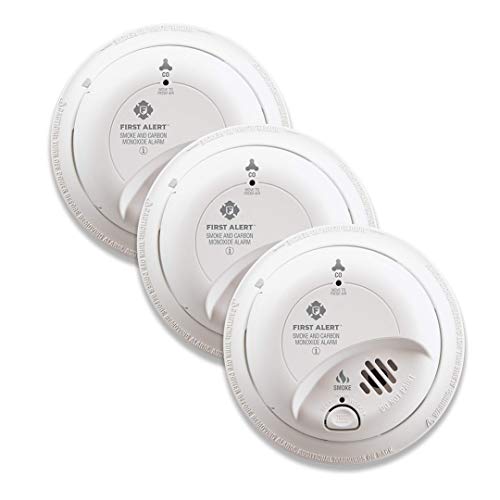
Why Replacement Is Driven by a Date, Not by Behaviour
The part of a carbon monoxide alarm that ages is the sensor, and it ages whether or not it has ever been triggered. That is the reason replacement is tied to a date rather than to how the unit seems to be performing. A detector that has sat quietly on a wall since it was installed has been consuming its service life the entire time, and nothing about its silence indicates otherwise.
This is why the test button is a weaker reassurance than it feels like. On most units it confirms that the horn, the circuitry and the power source are alive, which is worth confirming. It is not a measurement of how much sensing life remains. Treat a successful test as evidence the alarm can still make noise, not as evidence it can still detect.
Finding and Recording the Date Before You Need It
The service life that applies to your unit is printed by its own manufacturer, usually on the back of the housing and again in the manual, and that is the figure to work from rather than a general one. Units differ, and a number carried over from another product or another era is not information about the one on your wall. Take the alarm down once, read what is actually on it, and work from that.
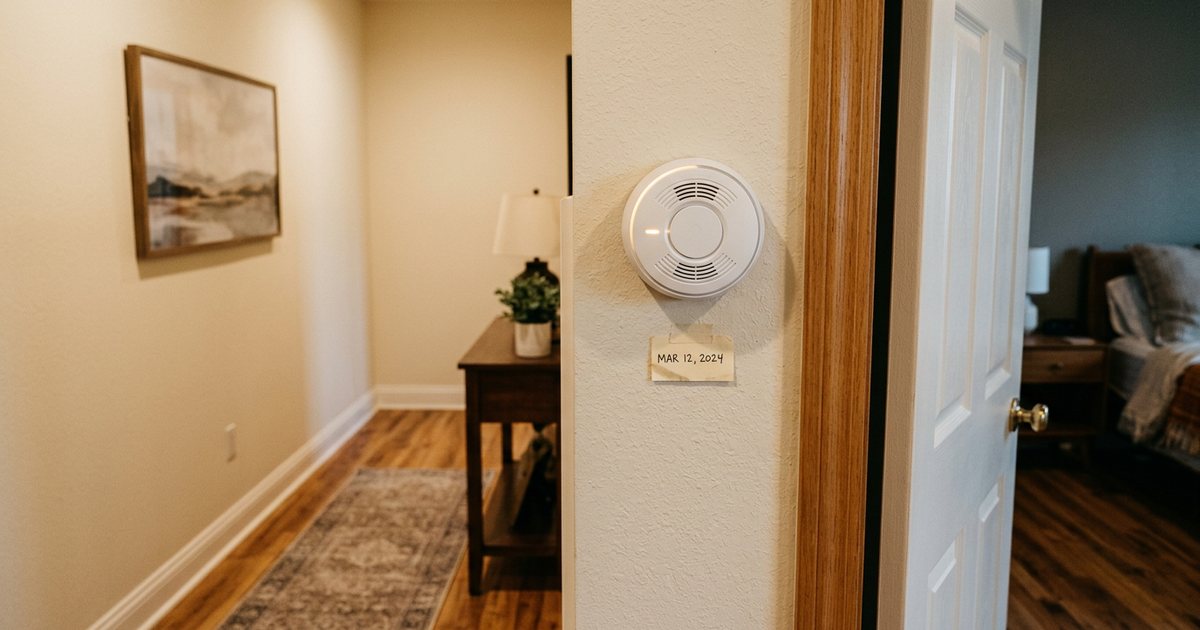
The practical step most households skip is writing it down somewhere that is not the device. A date on the back of a unit mounted on a ceiling is a date nobody reads again. Put the replacement month in whatever calendar the household actually uses, and pair it with the annual heating system service so the two land together and neither depends on remembering the other.
FAQ
How do I know when my specific detector needs replacing?
Check the manufacturer’s label or manual for your model’s specific end-of-life date, often printed directly on the unit itself.
If the alarm still passes its test, do I really need to replace it on schedule?
Yes. The test confirms the alarm can sound, not that the sensor can still detect. Those are different components with different failure modes, and only one of them is what the test button exercises.
Where do I find the service life for my specific unit?
On the unit itself and in its manual. Manufacturers print it on the housing, which is the authoritative figure for that product. A general number found elsewhere may not describe what you own.
Never continue using a detector past its manufacturer-specified end-of-life date, even if it appears to still function.
These statements have not been evaluated by the Food and Drug Administration. This information is not intended to diagnose, treat, cure, or prevent any disease. Content is for informational purposes only and is not medical advice; consult a qualified healthcare provider before starting any supplement. As an Amazon Associate we earn from qualifying purchases.