Comparing prevention costs against remediation and incident costs illustrates why proactive CO safety is the clearly better financial and safety choice.
- Ongoing prevention runs roughly $100-$250 annually — a modest, predictable cost.
- Remediation after an identified issue runs several hundred to a few thousand dollars.
- The cost of inaction carries acute safety stakes beyond purely financial considerations.
- Prevention is clearly the better investment on both cost and safety grounds.
Prevention Costs
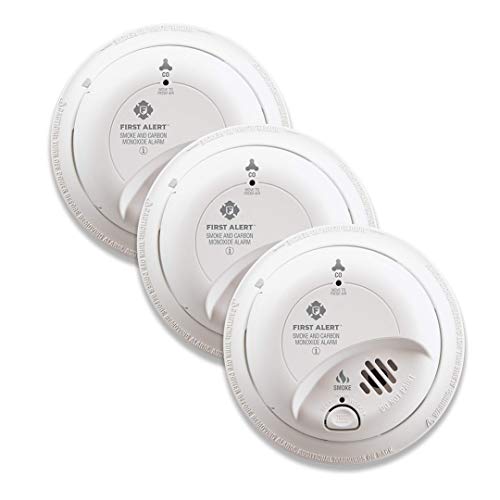
Ongoing CO prevention (detectors, batteries, periodic professional assessment) runs roughly $100-$250 annually for a typical home — a modest, predictable recurring cost.
Remediation Costs
Addressing an identified CO source after detection (appliance repair or replacement) runs several hundred to a few thousand dollars depending on the specific issue — notably higher than ongoing prevention costs.

The Cost of Inaction
Beyond financial cost, the cost of inaction (an undetected, unaddressed CO source) carries the acute safety stakes that make this comparison meaningfully different from purely financial home maintenance trade-offs.
The Two Costs Are Not the Same Kind of Number
Comparing a prevention budget against a remediation bill can be misleading if the two are treated as interchangeable amounts. Prevention is planned, recurring and spread out. You choose when it happens, you can stage it across seasons, and you can decide how much of it to do at once. Remediation is none of those things. It arrives on a schedule set by the problem, usually in the heating season, and usually at the moment a household has the least flexibility about it.
That difference in shape matters more than the difference in size. A planned expense competes with other planned expenses and can lose on merit. An unplanned one competes with nothing, because by the time it exists there is no alternative to compare it against.
What the Comparison Leaves Out
The costs that are easiest to total are the ones written on an invoice, so a straight comparison tends to capture equipment and labour and miss everything else. Remediation carries displacement while work happens, time taken off to be present for it, and the knock-on repairs that get discovered once an appliance or a flue is opened up. Those are real and they are borne by the household rather than billed to it, which is exactly why they fall out of the arithmetic.
There is a limit to how far this reasoning should be pushed, and it is worth being honest about it. Prevention is not free and it is not a guarantee. What it buys is control over timing and scope rather than immunity, and that is a real benefit without being the absolute one that cost comparisons sometimes imply.
FAQ
Is it really cheaper to prevent than to fix a CO issue after the fact?
Yes on cost alone, and the safety stakes of inaction make prevention the clear choice regardless of the cost comparison.
Is prevention always cheaper than remediation?
Not in every individual case, and claiming otherwise oversells it. What is reliably true is that prevention is predictable and remediation is not, so the comparison that matters is between a cost you can plan around and one you cannot.
Where should a limited budget go first?
Toward the things that fail quietly. Detection on every sleeping level and routine professional service of combustion equipment are the items whose absence is invisible until it matters, which makes them poor candidates for deferral.
Never treat prevention costs as optional given both the financial and acute safety cost comparison involved.
These statements have not been evaluated by the Food and Drug Administration. This information is not intended to diagnose, treat, cure, or prevent any disease. Content is for informational purposes only and is not medical advice; consult a qualified healthcare provider before starting any supplement. As an Amazon Associate we earn from qualifying purchases.
