CO prevention technology has evolved meaningfully, offering more convenient and connected safety options than in the past.
- Smart, app-connected detectors provide remote alerts useful when away from home.
- Modern appliances include built-in safety shutoff features reducing malfunction risk.
- Technology complements but doesn’t replace fundamental maintenance habits.
- These advances offer more convenient, connected safety options than in the past.
Smart, App-Connected Detectors
Smart CO detectors provide remote alerts to your phone, useful when you’re away from home and unable to hear a local alarm directly.
Modern Appliance Safety Features
Many modern fuel-burning appliances include built-in safety shutoff features that reduce combustion malfunction risk compared to older equipment lacking these safeguards.

What Technology Doesn’t Replace
Despite these advances, technology doesn’t replace fundamental maintenance habits (battery replacement, professional assessment) — it complements rather than substitutes for these basics.
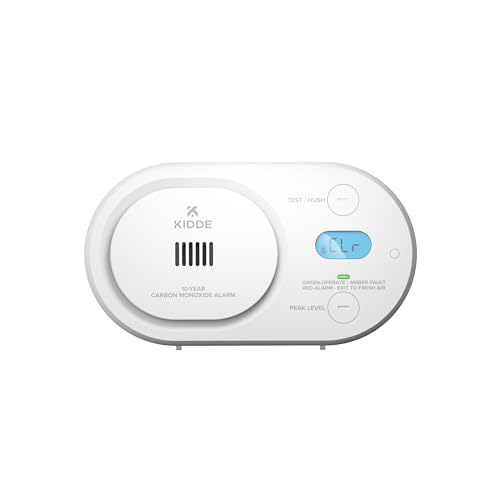
Detection and Notification Are Two Different Problems
Most of what is marketed as improved prevention improves notification rather than detection. The sensing element does the same job it has always done. What has changed is how far the news travels: to a phone instead of only into the room, to every alarm in the house instead of only the one that tripped, and into a log you can look at afterwards instead of vanishing when the noise stops.
That distinction is worth holding onto when comparing products, because it tells you which gaps a feature actually closes. Reaching a phone matters enormously for an empty house, a sleeping household or a rental between tenants. It does nothing for a unit that was never installed on the level where people sleep, or one whose sensor has reached the end of its service life.
What Better Hardware Does Not Change
The sources of the hazard are unchanged by any of this. Agency guidance still puts maintained and properly adjusted combustion equipment first, and still treats an annual professional inspection and cleaning of the central heating system, flues and chimneys as the baseline rather than as an extra. Leaks get repaired promptly, flues get opened when a fireplace is in use, and a car does not idle in a garage. No amount of sensing changes any of those, because they are about preventing the gas from being produced and admitted in the first place.
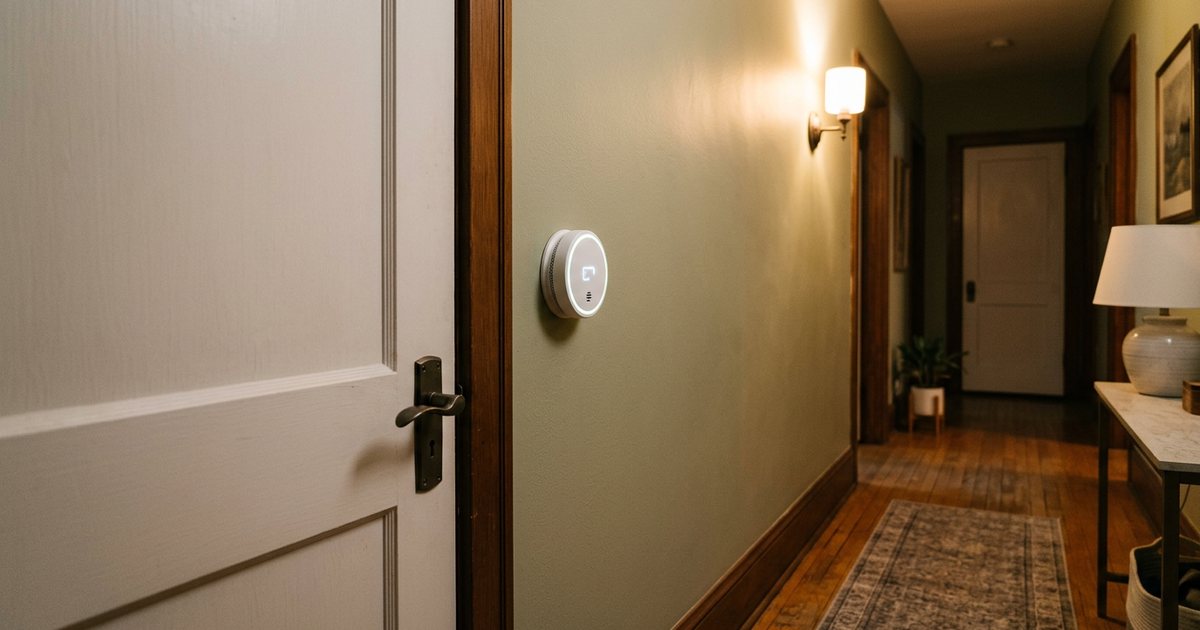
The honest framing is that technology has improved the odds that a problem is noticed, and has improved them substantially. It has not made the underlying equipment safer, and it has not made placement or replacement optional. A connected alarm in the wrong place is still in the wrong place.
FAQ
Are smart CO detectors worth the extra cost over basic models?
For added convenience (remote alerts when away from home), yes for many households — though core detection accuracy depends on UL 2034 certification regardless of smart features.
Is a connected alarm worth it if someone is usually home?
It is worth less than it is for an empty house, but not nothing. The cases it still covers are a household asleep, a level of the home nobody is on, and the record it keeps of when something happened, which is far more useful to a technician than a memory of hearing a noise.
Do smarter alarms need less maintenance?
No. They still need to be tested, still need to be placed correctly, and still reach the end of their service life on the same schedule as any other unit. Being able to reach your phone is not the same as being able to keep working indefinitely.
Don’t rely on smart detector connectivity alone — maintain basic habits (battery checks, function testing) regardless of technology features.
These statements have not been evaluated by the Food and Drug Administration. This information is not intended to diagnose, treat, cure, or prevent any disease. Content is for informational purposes only and is not medical advice; consult a qualified healthcare provider before starting any supplement. As an Amazon Associate we earn from qualifying purchases.
